

Get quote
Get Free Consultation!
We are ready to answer right now! free consultation.
A fluid transfer equipment manufacturer is often judged by a buyer’s first visible need: a loading arm, a skid system, a marine arm, a floating roof or a platform. The better way to judge the manufacturer is to ask how those equipment families connect on a real site. Fluid transfer is a chain. Product leaves a tank or pipeline, passes through valves, arms, swivels, couplers or skids, reaches a road tanker, railcar, ship manifold or process line, and leaves behind an operator who must park, inspect and maintain the equipment safely. If one part of that chain is selected in isolation, the purchase can become expensive after installation.
Yuanda Machinery’s current website gives buyers a broad equipment map for this chain. The company presents land loading arms, LPG loading arms, liquid ammonia loading arms, liquid chlorine loading arms, LNG loading arms, aluminum loading arms, marine loading arms, batch loading control systems, folding stairs, platforms, loading arm accessories, marine terminal equipment, floating suction systems and internal floating roofs. This article explains how a buyer can use those product families to evaluate a manufacturer without turning the article into a loose encyclopedia.
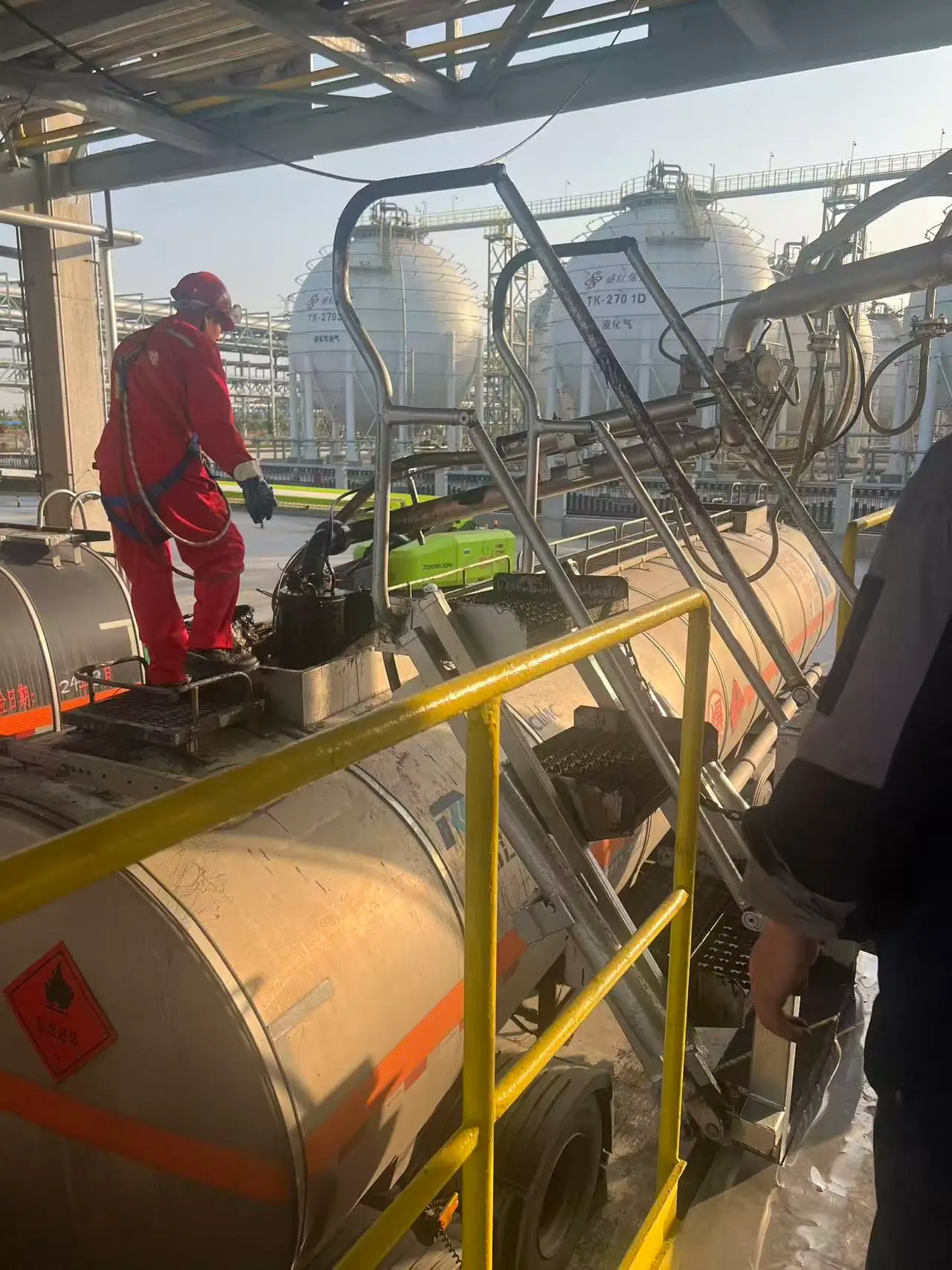
The first transfer route is road and rail loading. This route usually requires top loading arms, bottom loading arms, vapor return or sealed options, and safe access. It may also require batch control when the owner wants preset filling and loading records. The second route is marine transfer, where the arm must work across a dock and ship manifold with movement, parking and emergency planning in mind. The third route is storage-tank handling, where internal floating roofs, floating suction devices, rotary jet mixers or tank bottom samplers may affect the quality and behavior of the fluid before loading even begins.
A manufacturer with all three routes in view can respond more intelligently. If the buyer says the medium is LNG or ethylene, the discussion should move toward cryogenic loading arms and cryogenic skid systems, not only a generic pipe size. If the buyer says the terminal handles fuel and chemical products, the supplier should ask whether the same site needs both tanker loading arms and tank storage accessories. If the buyer says the loading area is being rebuilt, safe access and platform trestle details may be just as important as the arm model.
Yuanda’s land loading arm family includes AL1512 top loading and unloading arm, cryogenic loading arm for LNG unloading, AL1401, AL1402, AL1403, AL1412 sealed top loading arm, AL1513, AL2404 bottom loading arm, AL2503 bottom loading arm, AL2543 bottom loading and unloading arm, AL1402 heat-traced loading arm, fully pneumatic automatic loading arm and truss-type loading arm. A buyer should not ask every model to do the same job. The operating route should decide the shortlist: top hatch loading, bottom connection, sealed transfer, heated medium, cryogenic service, higher automation or special structural reach.
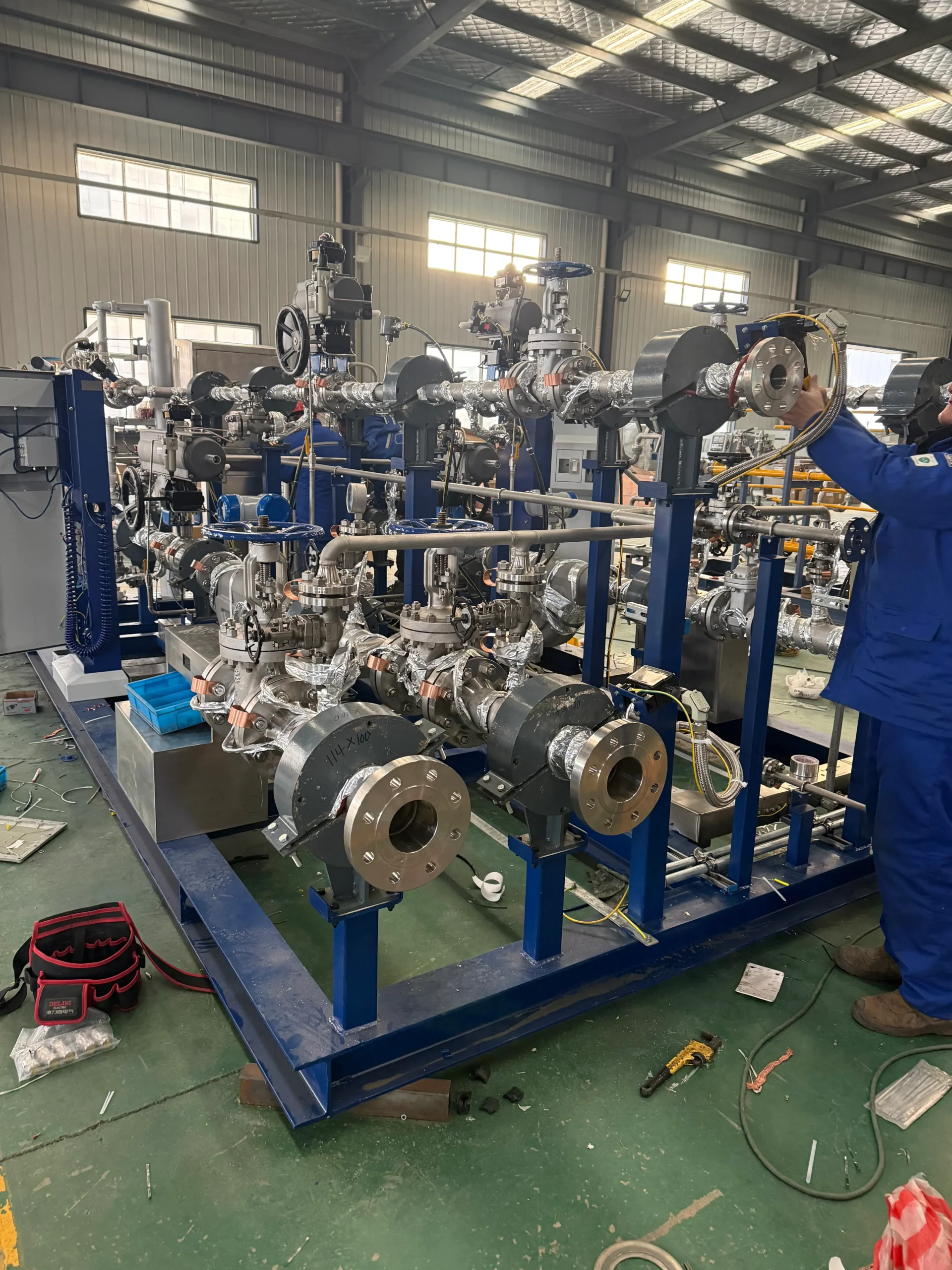
A project that includes a skid-mounted system changes the manufacturer’s role. Yuanda lists top loading skids, bottom loading skids, card-based loading and unloading skid systems, skid-mounted cryogenic loading and unloading systems for LNG, host computer management systems, batch controllers and automatic quantitative loading systems. These products belong in conversations where the owner needs delivery control, management data, organized operator steps or a compact factory-assembled package. The manufacturer should understand both pipework and control behavior, otherwise the skid may become an electrical cabinet sitting beside a mechanical problem.
The buyer should compare capability by asking what evidence is needed for each product family. Loading arms need a review of balance, swivel joint rotation, sealing, parking position, connection and support loads. Skid systems need frame arrangement, metering or batch equipment, control cabinet placement, wiring route, valve operation, grounding or interlock assumptions and factory assembly checks. Folding stairs and trestles need working height, operator path, guardrails, anti-slip surfaces and parking position. Internal floating roofs and floating suction devices need tank dimensions, medium behavior, installation constraints and inspection access.
| Equipment family | Main buyer concern | Useful Yuanda starting point |
|---|---|---|
| Land loading arms | Top or bottom loading, tanker reach, medium and safe access | Land Loading Arms |
| Marine loading arms | Ship movement, manifold connection and emergency planning | Marine Loading Arms |
| Skid-mounted systems | Batch control, metering, operator workflow and management interface | Batch Loading Control Systems |
| Tank storage equipment | Floating roof, floating suction, mixing or tank sampling needs | Internal Floating Roofs |
Marine transfer often brings dock accessories into the same purchase file. Yuanda lists dock vapor recovery ship-shore safety device, marine gangway, tower-type marine gangway, column-type marine gangway, rotary marine gangway, quick release mooring hook and hose crane. These products solve problems around ship access, mooring, vapor safety and hose handling. A manufacturer that can discuss marine arms and terminal equipment together may help the buyer avoid split responsibility between several small suppliers who each understand only one part of the dock.
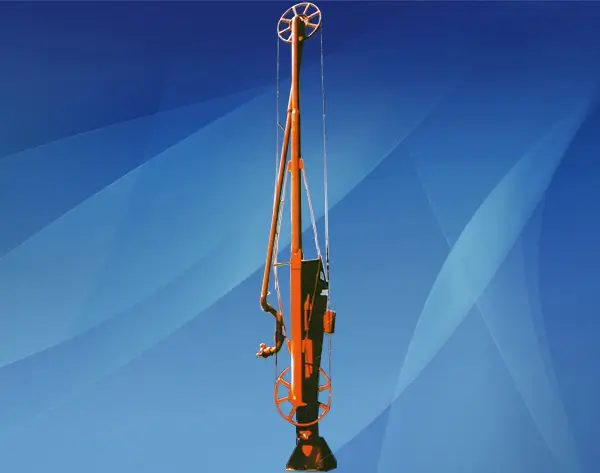
A good manufacturer should sometimes slow the buyer down. If the buyer asks for a bottom loading arm but gives no vehicle adapter information, the manufacturer should ask for the connection details. If the buyer requests LNG transfer equipment but gives no temperature, insulation or emergency release expectation, the manufacturer should not treat it as an ordinary ambient arm. If the buyer asks for a skid but has not defined the loading sequence, the manufacturer should ask how the operator starts, stops, authorizes and records each load. This pushback is a sign of professional caution, not a delay tactic.
For a procurement manager, this type of pushback creates a better internal decision. It allows the engineering team to answer technical questions before commercial comparison, so the price comparison is not false. It also reduces the risk of an order that looks complete on paper but arrives without the interface that the site expected. When project conditions are unclear, a manufacturer who asks for more information early is usually protecting the buyer from later change orders.
Drawings are most useful when they show interfaces clearly. For a land loading arm, the drawing should help the buyer see the inlet, outlet, parking direction, reach and support position. For a skid, the drawing should make frame size, pipe connections, cabinet position and service access understandable. For an internal floating roof, the buyer should connect the roof choice to the tank dimensions and installation route. A manufacturer that can explain these interfaces gives the buyer a better approval file than one that sends only a product photo and a short commercial offer.
In a distributor channel, interface clarity also reduces after-sales disputes. The reseller can show the end user why a certain arm or accessory was selected and what information was used. If a future replacement is needed, the same drawing and product record become a reference. This is one reason a broad equipment manufacturer can be easier to work with than a vendor that only supplies isolated components without project context.
Yuanda’s tank storage equipment includes full-contact honeycomb internal floating roof, stainless steel internal floating roof, full-contact box-type internal floating roof, immersed internal floating roof, hexagonal biomimetic internal floating roof, assembled internal floating roof, floating suction device, rotary jet mixer and tank bottom sampler. These product names show why fluid transfer equipment should not be limited to the loading bay. If the tank storage side is poorly matched, the loading equipment may still transfer fluid efficiently while the overall site struggles with vapor management, blending or cleaner draw-off.
Start with the transfer route. If your site loads road or rail tankers, compare land loading arms, folding stairs and platform trestles first. If your site moves product to ships, compare marine loading arms and marine terminal equipment together. If your site needs organized delivery control, add batch loading control systems and skid-mounted equipment to the same review. If the storage tanks are part of the project, look at internal floating roofs and floating suction devices before freezing the loading bay specification.
The strongest manufacturer response will not be the longest product list. It will be the response that connects medium, transfer point, operator, control function and tank interface into a clear supply scope. Use Yuanda’s product families, project evidence and company manufacturing profile as the first internal references, then compare the supplier’s answers with the specific risks in your own site. That approach turns a broad manufacturer search into a practical engineering purchase decision.
Two manufacturers can look similar in a product table but behave differently when information is incomplete. One may quote immediately without asking about the medium, temperature or operating route. Another may ask for a drawing, loading height, connection standard and control expectation before naming the arm or skid. For project buyers, the second response is usually more useful because it exposes hidden decisions before the order. This is especially important for cryogenic service, marine transfer and chemical loading where a wrong assumption can affect both safety and installation cost.
The buyer can record each supplier’s questions as part of the evaluation. Did the manufacturer ask about tanker geometry. Did it separate top loading from bottom loading. Did it mention safe access when top loading was requested. Did it ask whether a skid requires batch control or management interface. These questions reveal whether the supplier understands the transfer system as a working site rather than a catalog page.
Maintenance access is often missed during early equipment comparison. A loading arm may look suitable in a product photo, but the site team still has to reach swivel joints, seals, couplers, drain points and parked positions after installation. A skid may have the right components, but the valves and instruments must be reachable for inspection. Internal floating roof and floating suction equipment also need practical access thinking around tank entry, installation route and future inspection. A manufacturer that raises these questions early helps the buyer avoid a design that works only on paper.
For owners with several terminals, maintenance access also affects standardization. If one site orders a top loading arm with one accessory route and another site orders a similar arm with a different spare part path, the maintenance team may struggle later. The manufacturer can help the buyer group similar equipment by product family and service condition, so spare discussions and technician training do not become unnecessarily complex.
A buyer building a long-term supplier list should therefore record more than price. Record whether the manufacturer can explain product boundaries, whether it asks for site data before fixing a model, and whether it can connect arms, skids, tank equipment and access products into a logical layout. These notes become useful when the next project starts because the purchasing team already knows which suppliers handled technical uncertainty responsibly.
That record is also useful for distributor or contractor teams that handle repeat orders. If the manufacturer previously matched an arm family with a skid control route, a floating suction requirement or a platform arrangement, the next quotation can start from proven site logic instead of rebuilding every assumption from the first email.
