

Get quote
Get Free Consultation!
We are ready to answer right now! free consultation.
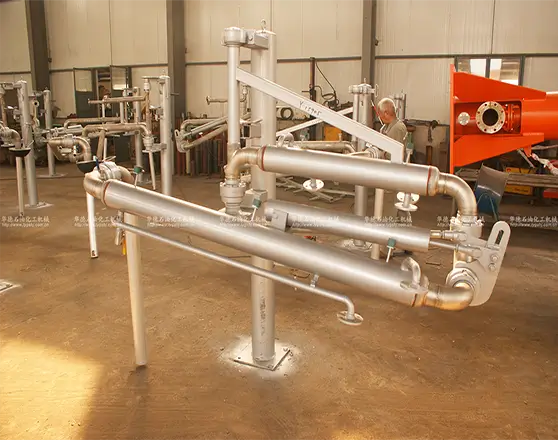
A buyer evaluating a chemical loading arm manufacturer should begin with the chemical medium and transfer condition. Chemical loading may require corrosion resistance, lining, heat tracing, sealed transfer, careful drainage, operator access or specific accessory choices. Yuanda Machinery lists AL1402 PTFE-lined top loading arm, AL1402 heat-traced loading arm, sealed top loading arms and broader loading arm accessories, giving buyers real product routes for the review.
Chemical projects are often misunderstood when buyers start with pipe size only. Pipe size matters, but medium behavior, temperature, cleaning expectation, vapor condition and operator movement often decide the correct route. A manufacturer should ask for the product being transferred, the loading direction, site layout and whether existing equipment has caused leakage, crystallization, corrosion or awkward handling.
The review should stay specific. A chemical loading arm for one medium may not suit another. A PTFE-lined route, heat-traced route and ordinary sealed top loading route can answer different plant problems. The buyer should expect the manufacturer to explain why a particular route fits the actual service rather than quoting a general chemical arm.
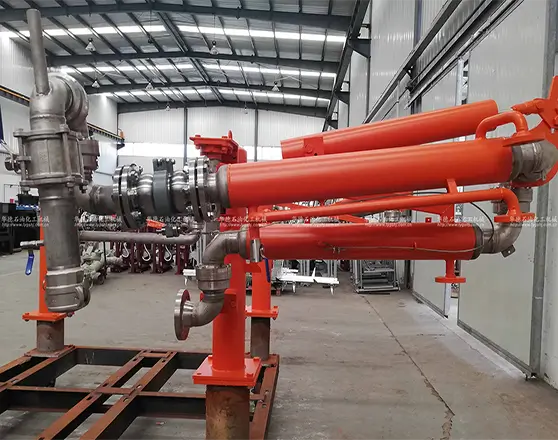
The medium affects material, sealing, lining, temperature management, cleaning and drainage. The manufacturer should ask for product name, operating temperature, pressure, corrosiveness, viscosity or solidification risk where relevant, connection method and loading frequency. If the buyer cannot provide these details yet, the quote should be marked preliminary.
Yuanda’s land loading arm category includes chemical-relevant routes such as PTFE-lined and heat-traced arms. These product names should not be used as marketing labels only. The manufacturer should connect them with the chemical’s behavior and the station’s actual operation.
A PTFE-lined chemical loading arm should be discussed when the medium requires a protected contact route. The buyer should ask which surfaces are part of the transfer path, how the lined route connects with site piping, and what maintenance information should be recorded. The manufacturer should avoid treating lining as a generic upgrade without explaining the service reason.
A heat-traced loading arm should be reviewed when the medium or operation requires temperature attention. The buyer should ask what temperature condition the site expects, how the route is prepared locally, and what happens during shutdown or cleaning. Heat tracing belongs in the full station discussion, not as a late add-on after the arm geometry is fixed.
A chemical loading point should be easy to reach, inspect and drain. The manufacturer should ask where the operator stands, where the arm parks, how residual liquid is handled, and whether a drain pan, dry disconnect valve or sealing cap is part of the route. A technically correct arm can still be a poor station if operators cannot use it cleanly.
If the connection is above the vehicle, buyers should review folding stairs and platforms and trestles with the arm. If the station uses bottom loading or sealed transfer, adapter position and lane movement become more important. The manufacturer should connect access equipment to the chemical route instead of treating it as a separate civil item.
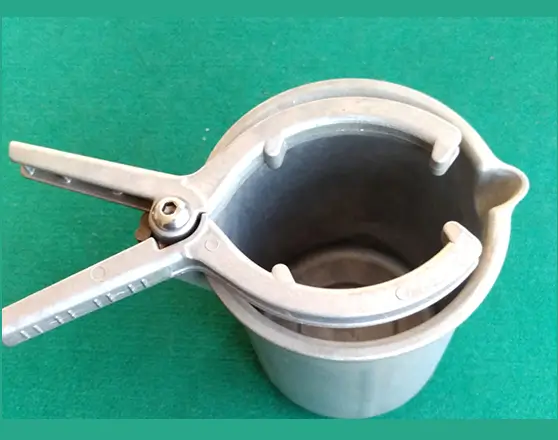
Drain pans and dry disconnect valves should be discussed through real use. How often is the arm connected? Does the medium leave residue? Is the operator expected to keep the bay clean between vehicles? The manufacturer should tie these accessories to the station habit so the buyer can judge whether they belong in the first order.
| Chemical route issue | Manufacturer should verify | Product route to compare |
|---|---|---|
| Corrosive medium contact | Medium, contact path, lining need and maintenance record. | AL1402 PTFE-lined top loading arm |
| Temperature-sensitive transfer | Operating temperature, local preparation and shutdown condition. | AL1402 heat-traced loading arm |
| Clean connection and disconnection | Drain, cap, dry disconnect and residual handling. | Loading Arm Accessories |
| Operator access | Platform, stair, parked arm and inspection route. | Platforms and Trestles |
Chemical loading projects often involve several parties: process engineering, mechanical installation, safety review, purchasing and operations. The manufacturer should state what the factory supplies and what the buyer prepares. Local piping, support, heat tracing connections, lifting, installation labor, cleaning procedures or control wiring may remain outside the factory scope.
The packing list should also follow the chemical route. If a PTFE-lined arm, heat-traced arm, drain pan and several accessories ship together, the site team should know which items belong to the same transfer point. Package marks by route and drawing reference reduce confusion during installation.
A future service request should not begin with a vague description of a chemical arm. The record should name the medium, arm family, lining or heat-traced route, accessory package and drawing reference. This helps the manufacturer identify suitable service items and helps the buyer avoid mixing parts between chemical routes.
Buyers can compare the loading arm manufacturer specification guide with Yuanda’s land loading arms and accessory range. If the chemical station includes metering or preset quantity, the batch loading control system category should also be reviewed early.
A good chemical loading arm manufacturer does not simply offer the most specialized product name. It explains why the route fits the chemical medium, access condition, temperature need and cleaning expectation. If the buyer has not confirmed those inputs, the manufacturer should keep the proposal open for technical clarification.
For plant buyers, this matters because chemical loading equipment becomes part of daily operating discipline. The route should help operators connect, disconnect, drain, inspect and park the arm without improvisation. A clear route file also helps maintenance teams know which seals, swivels, caps or lined components belong to the station.
Before final approval, the buyer should ask whether the proposal answers the real chemical problem. Is the issue corrosion, temperature, access, residue, sealed transfer, control or replacement of a poor old layout? When the manufacturer answers that specific problem, the order becomes stronger than a generic chemical loading arm purchase.
A distributor selling chemical loading arms should follow the same approach. Ask for medium, temperature, site photos, connection route and accessory needs before forwarding a quote request. That extra work reduces wrong-order risk and helps the end user receive equipment that fits the plant rather than a catalogue label.
A chemical plant replacing old equipment should describe the operating problem, not only the old model. The previous route may have suffered from residue, difficult cleaning, poor access or corrosion at a specific contact point. The manufacturer can only suggest PTFE lining, heat tracing, drainage or accessory changes when it understands what the plant wants to improve.
If the buyer handles several chemical products, the manufacturer should ask whether the same arm family is expected to serve all of them. The buyer should be cautious with that assumption. Different media can require different lining, sealing, cleaning or temperature treatment. A route record should identify which product conditions were actually reviewed.
The manufacturer should also separate normal use from cleaning or shutdown conditions. A route may work during transfer but become difficult after the batch ends if residue handling was ignored. Drain pans, caps and disconnect items should be reviewed through the end of the operation, not only the beginning.
For heat-traced routes, the buyer should ask where the factory scope ends and where local preparation begins. The site may need electrical, steam or thermal management work that is outside the arm supply. The manufacturer should identify those boundaries early so the buyer does not discover them during installation.
For PTFE-lined routes, future maintenance records matter because replacement parts should match the reviewed contact path. The buyer should keep the lining route, medium, seal details and accessory list together. A later service request should not depend on someone remembering which chemicals were loaded through the arm.
Packing marks should follow the chemical route, especially when several arms ship in one order. A heat-traced arm, a PTFE-lined arm and standard accessories may look similar to a receiving team that was not part of the technical discussion. Clear labels reduce the chance of mixing route-specific parts.
A manufacturer proposal should also say which questions remain open. If temperature, medium concentration, cleaning habit, access layout or site preparation is not confirmed, the buyer should not treat the offer as final. Chemical service rewards caution because small assumptions can change the correct equipment route.
The final chemical loading arm decision should be understandable to operations as well as purchasing. Operators should know why the route includes lining, heat tracing, drainage or a specific accessory. When the people using the equipment understand the reason behind the route, the purchase record becomes more useful.
A buyer should approve the manufacturer only when the proposal connects medium behavior with a real station layout. If the offer only says chemical loading arm without explaining contact path, temperature route, access and accessory scope, it still needs another technical review.
If the plant is still testing which medium will be loaded through the station, the manufacturer should mark the route as provisional. A chemical loading arm should not be finalized on incomplete service information. The buyer can use the early proposal for planning, but final approval should wait until medium and operating condition are confirmed.
For a distributor, chemical loading is a category where asking fewer questions can create more problems. The distributor should request medium name, concentration or service description where available, operating temperature, site photos, connection route and whether the buyer expects lining or heat tracing. Those details let the manufacturer respond responsibly.
The manufacturer should also describe how accessories will be identified during delivery. Drain pans, sealing caps, dry disconnect valves and swivel joints may be boxed separately from the arm. If the package is not marked by route, the installer may not know which accessory belongs to the chemical loading point.
Maintenance teams should be included in the record from the start. They need to know which parts touch the medium, which components are lined, which route is heated and which accessories are route-specific. A clear record reduces future guesswork when the station needs inspection or replacement parts.
If the buyer has several similar chemical bays, the manufacturer should ask how they will be named. Bay names should appear in drawings, packing lists and service notes. Otherwise, a future spare part request can become confusing because the equipment looks similar while the media may be different.
The final chemical loading arm manufacturer review should end with a route that can be explained plainly. Which chemical behavior matters, why the selected arm route fits it, what accessories are included, what the buyer prepares and how the station will be serviced later should all be visible.
That level of documentation is not extra decoration. It is the bridge between a specialized product and a usable loading station. For chemical transfer, that bridge is often what separates a confident purchase from a risky catalogue order.
The buyer should also ask how the manufacturer treats future medium changes. If the plant plans to use the same loading point for another chemical later, that future service should be reviewed separately. A route designed around one medium should not be assumed suitable for another without technical confirmation.
For project contractors, a clear chemical route file helps coordinate piping, access, cleaning and maintenance responsibilities. It gives each team a common reference instead of leaving the arm supplier’s assumptions inside a sales quotation.
