

Get quote
Get Free Consultation!
We are ready to answer right now! free consultation.
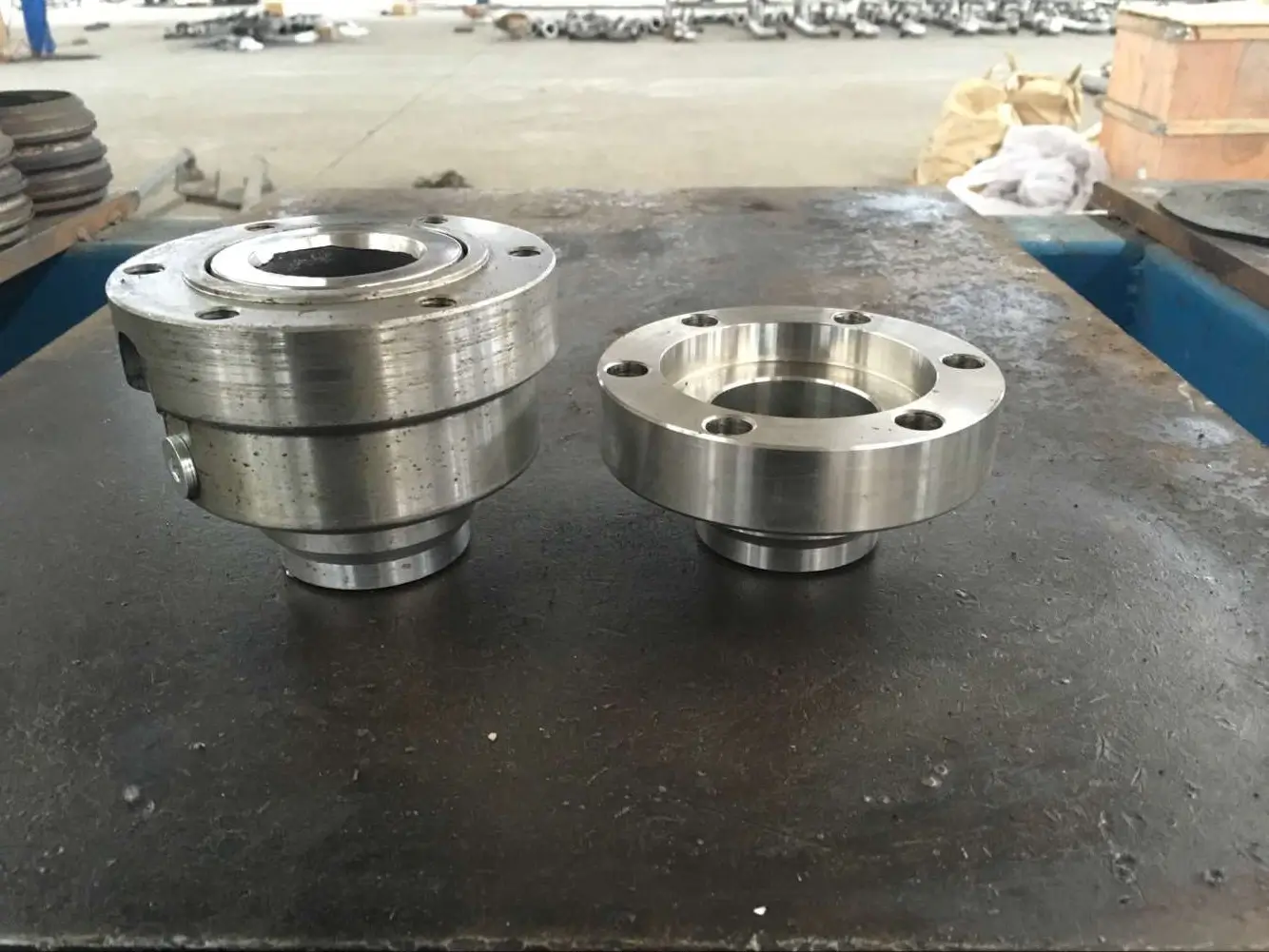
A buyer looking for a loading arm swivel joint manufacturer is usually trying to keep a transfer arm moving smoothly while protecting the medium route. The swivel joint is not a random rotating part. It belongs to an arm family, a movement envelope, a medium condition and a maintenance record. Yuanda Machinery lists loading arm swivel joint products beside breakaway valves, sealing caps, dry disconnect valves and drain pans in its loading arm accessories category.
The first purchasing question should be where the swivel sits on the arm. A swivel serving an AL1512 top loading arm, an AL2404 bottom loading arm, an AL2543 loading and unloading arm or an aluminum loading arm may be discussed differently. The manufacturer should ask for route, medium, connection position and whether the part is for new manufacture or replacement.
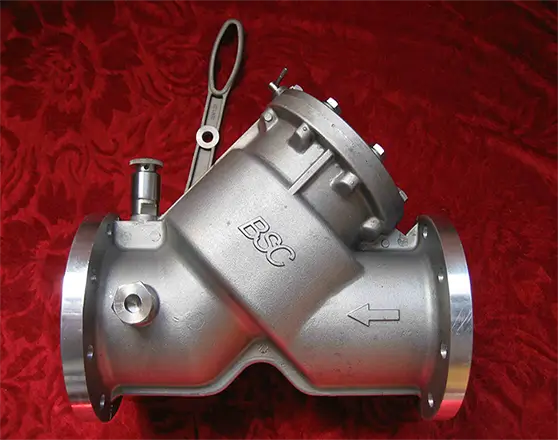
Movement decides whether the swivel joint is being discussed correctly. The manufacturer should ask how the arm moves from parked position to connected position, whether the operator works above the vehicle or at a lower connection, and whether multiple arms can move in the same lane. If the movement route is not understood, the replacement part may be chosen from incomplete information.
A site replacing a swivel should also explain the symptom. Is the issue wear, leakage, difficult movement, impact damage, corrosion concern or missing identification records? The manufacturer should use that information to understand whether the buyer needs a direct replacement, a wider accessory review or a check of the arm route itself.
Top loading arms often rely on smooth movement from the parked position toward a manhole or top connection. The swivel joint manufacturer should ask how the operator moves the arm, where the arm parks and whether access equipment affects movement. If the swivel replacement ignores the operator route, the arm may remain awkward even after the part is changed.
Bottom loading routes place different demands on movement. The manufacturer should ask how the coupler reaches the vehicle adapter, whether lane clearance is tight and whether more than one arm operates near the same connection area. The swivel joint should support the working envelope, not only match a part number.
A swivel joint is part of the medium contact route, so the buyer should identify product, temperature condition and chemical compatibility expectations where known. The manufacturer should not treat every swivel as an interchangeable mechanical part. Petroleum, chemical, LPG, ammonia, LNG and aluminum arm applications can each require a more careful route discussion.
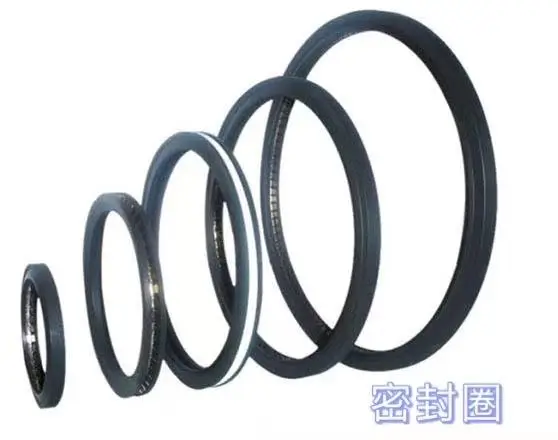
The service record should connect the swivel joint with arm family, medium and drawing reference. This protects future maintenance teams from ordering by photo alone. A photo can show the shape, but it may not show the medium, route or accessory boundary that was approved in the original order.
A useful record might identify a swivel for an AL1512 top loading arm, an AL2543 loading and unloading route or an aluminum alloy bottom arm. The exact record depends on the project, but the principle is the same: arm family, route and medium belong together. A manufacturer that prepares records this way helps buyers manage repeat service.
| Swivel joint decision | Manufacturer should ask | Why the buyer benefits |
|---|---|---|
| Where does the swivel sit? | Arm family, joint position and route drawing. | Part matches real movement |
| What medium is transferred? | Service condition and contact route. | Avoids generic selection |
| Is it replacement or new supply? | Original record, site photos and symptom. | Better diagnosis |
| How will it be identified later? | Packing mark, drawing and spare part record. | Easier maintenance |
If several swivel joints ship in one order, route labels matter. A depot may have top loading, bottom loading and skid-connected arms. A chemical plant may have lined or heat-traced routes. A marine terminal may use different dock arms. The manufacturer should help the buyer avoid mixing similar-looking parts by marking packages clearly.
The packing list should also state whether the swivel is supplied as a loose replacement, part of a new arm or part of a wider accessory package. Installation teams should not have to infer this from crate contents. Clear packaging supports faster field work and cleaner future records.
A replacement request that records only quantity misses useful information. The buyer should note whether the swivel is changed for routine maintenance, route modification, medium change or damage. The manufacturer can then advise whether the same part record is enough or whether the arm route should be reviewed again.
A manufacturer can give better guidance when the buyer explains how the swivel joint works in the loading route. The record should say whether the arm reaches a top manhole, a bottom adapter, a skid connection or a dock-side route. It should also note whether the joint is exposed to frequent parking movement, tight lane clearance or repeated operator adjustment. These details are more useful than a cropped picture because they explain why the swivel matters to the station.
For a plant with chemical and petroleum routes, the same visual shape may appear in different service contexts. The manufacturer should ask the buyer to separate those records. If one route is heat-traced or lined and another route is ordinary petroleum loading, the swivel record should not be merged. Buyers can compare these distinctions with Yuanda’s chemical loading arm manufacturer guidance when a medium or route condition changes the review.
When a swivel joint is part of a new arm package, the manufacturer should include it in the same technical record as the arm drawing. The file should show which joint belongs to which position and how it relates to the movement envelope. This helps the buyer later when a replacement is needed, because the spare part conversation starts from the original route rather than a photo taken after years of use.
A swivel joint can wear or leak, but it can also become the visible symptom of a larger movement problem. If the arm is repeatedly forced outside a comfortable route, replacing the swivel alone may not solve the buyer’s maintenance issue. The manufacturer should ask whether the operator reports difficult movement, interference or awkward parking. That question helps decide whether the buyer needs a part replacement or a route review.
Packaging can support this inspection logic. If several swivels are sent together, each package should name the arm family, route position and medium. The installation team should be able to match a swivel to the correct arm without opening every box on the ground. This is especially useful for contractors who install multiple arms at once and need to avoid mixing similar components.
Buyers planning a wider loading station can also review Yuanda’s skid-mounted loading system and fluid transfer equipment supplier guide to keep the swivel discussion connected to the whole transfer route. A swivel joint is small compared with the arm, but it affects movement, service records and future replacement quality.
A manufacturer should also help the buyer decide how much evidence is enough before production. For a direct replacement, the old drawing and order record may be sufficient. For a route modification, the buyer may need a revised layout or at least a written description of the new movement envelope. For a medium change, the manufacturer should treat the swivel joint as part of a wider service review instead of a simple reorder.
This distinction is important when a plant adds new products to an existing loading area. The old arm may still look familiar, but the service assumptions may no longer be the same. A responsible manufacturer will ask whether seals, caps, valves or related accessories also need to be reviewed with the swivel joint.
The buyer can make this easier by keeping a short route history. The history should note when the swivel was installed, why it was replaced, and whether the route changed at the same time. Even a concise record is better than relying on memory across several maintenance cycles.
When the manufacturer receives that history, it can respond with a cleaner recommendation: direct replacement, route confirmation, accessory review or a wider loading arm discussion. That answer gives the buyer a better basis for approval than a price quotation alone.
For the buyer, this turns the swivel joint from a small emergency purchase into a traceable maintenance decision that can be repeated with less confusion next time.
It also gives the manufacturer a cleaner basis for future support.
A strong manufacturer connects the swivel joint to movement, medium, arm family, accessory scope, packing and future service. Buyers can compare the swivel joint accessory range with Yuanda’s land loading arms and the loading arm manufacturer guide when preparing a technical request.
Before approving a swivel joint order, the buyer should ask whether the part can be traced later without the original salesperson. If the answer depends on a photo and memory, the record is weak. If the answer uses route, arm family and drawing reference, the manufacturer has helped build a more reliable maintenance path.
