

Get quote
Get Free Consultation!
We are ready to answer right now! free consultation.
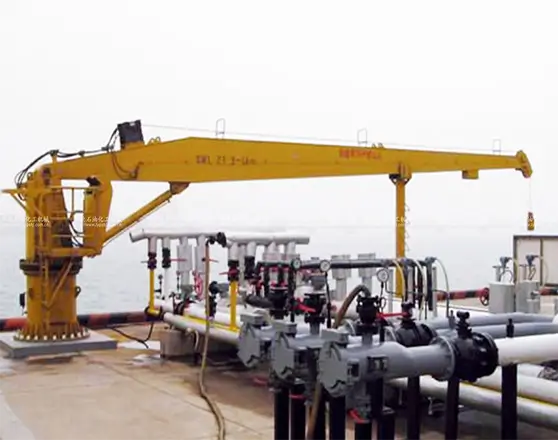
A buyer evaluating a marine hose crane manufacturer is usually trying to make hose handling safer, more organized and easier to coordinate with other berth equipment. The hose crane should be reviewed with berth layout, hose route, working envelope, marine gangway access, mooring equipment and any marine loading arm positions nearby. Yuanda Machinery lists hose cranes under marine terminal equipment with marine gangways, quick release mooring hooks and dock vapor recovery ship-shore safety devices.
The manufacturer should begin by asking what the hose crane needs to handle in the real terminal setting. Is it supporting hose movement during transfer, maintenance handling, storage movement or a retrofit around existing equipment? The answer determines what information is needed. A crane selected only by a product name may not fit the actual route where hoses are moved and stored.
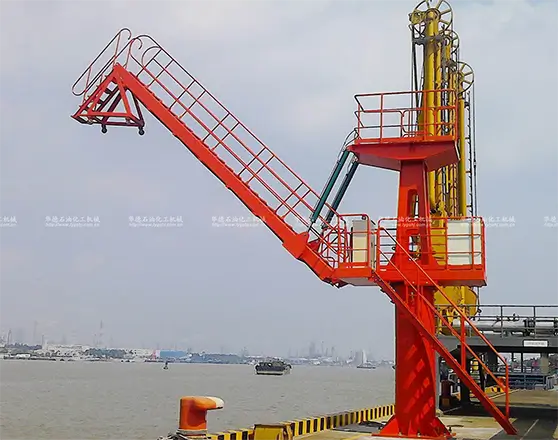
The hose route explains where the hose starts, where it moves, where it rests and what equipment is nearby. The manufacturer should ask for the berth layout, hose handling path and restrictions created by platforms, gangways, mooring hooks or loading arms. If the hose path is unclear, the crane proposal may be based on assumptions instead of operating reality.
A terminal may need a hose crane on a berth where operators also use a marine gangway and quick release hooks. Another site may use the hose crane near a dock vapor recovery system or ship-shore safety device. These surrounding systems influence where the crane can move and how personnel access the area. The manufacturer should ask about them before finalizing the arrangement.
A gangway moves people, while a hose crane moves hose or related handling loads. The manufacturer should ask whether crane movement crosses the personnel route. If operators need to pass near the crane during transfer or inspection, the buyer should review access and movement together. This prevents the berth from becoming crowded after installation.
Quick release mooring hooks and hose cranes can share the same dock area. The manufacturer should know where hook sets sit and how personnel approach them. A hose crane proposal that ignores mooring equipment may create future access issues, especially when a terminal operates several berth functions at once.
The manufacturer should ask what the hose crane is expected to move and how the buyer defines the handling task. The buyer may provide hose details, operating notes and site layout. If exact load or dimension data is missing, the manufacturer should mark it as pending rather than making unsupported promises. This keeps the technical proposal honest and useful.
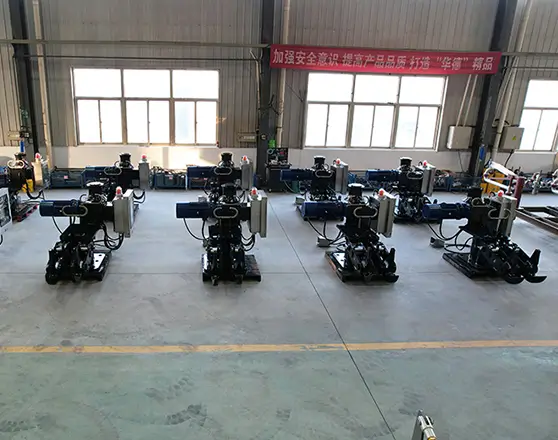
The crane discussion should also separate equipment supply from local site work. Foundations, power, local controls, berth modification and installation services may be separate from the crane package. A manufacturer should state these boundaries clearly before shipment so the buyer can prepare the site correctly.
For retrofit work, the buyer should explain how hoses are currently handled and what problem the new crane is expected to solve. Old photos, layout sketches and operator notes can help. The manufacturer should not assume that an existing berth can accept a new crane without checking space, route and surrounding equipment.
| Hose crane review point | Manufacturer should ask | Buyer value |
|---|---|---|
| Hose route | Start, movement path, rest point and restrictions. | Crane matches real work |
| Nearby equipment | Gangway, hooks, loading arms and vapor equipment. | Avoids interference |
| Handling task | Hose details and operating notes supplied by buyer. | Prevents unsupported assumptions |
| Package boundary | Crane scope versus local site work. | Cleaner project execution |
The project file should include the crane location, hose route, surrounding equipment notes, package boundary and inspection references. This helps the installation team understand where the crane belongs and helps future maintenance understand why the arrangement was selected. Without this record, a later modification may ignore the original hose handling logic.
Packing marks should also support site work. If the crane ships in several assemblies, each package should identify the section or berth position. Marine projects often receive multiple equipment families together, and good labels reduce the risk of parts being moved to the wrong area.
A hose crane must be operated and maintained after installation. The manufacturer should ask whether maintenance teams can inspect moving sections, supports and nearby equipment safely. If maintenance access depends on a gangway or platform, that relationship should appear in the project file.
A hose crane proposal becomes more useful when it follows the handling sequence. The record should describe where the hose waits, how it is lifted or moved, where operators stand, and what equipment must remain clear. This helps the buyer see whether the crane supports the real job. It also helps the manufacturer understand whether the crane is for routine transfer support, storage movement, maintenance handling or a mixed role.
The handling sequence should be reviewed beside access equipment. If operators reach the area from a gangway or platform, the manufacturer should know that route. If a quick release mooring hook set is nearby, the manufacturer should know how personnel move around mooring lines. Buyers can compare this with Yuanda’s platform and trestle equipment when the hose crane route depends on fixed access.
If the buyer has not confirmed hose details, berth restrictions or local support conditions, those points should remain visible as assumptions. A manufacturer should not turn incomplete information into confident claims. This is especially important in industrial marine projects, where a small layout change can affect the crane route, access route and installation boundary.
When a project includes hose cranes, marine gangways, mooring hooks and loading arms, each document should use the same berth and route names. The manufacturer can help by matching its package marks and drawings to the buyer’s naming system. This reduces confusion during receiving and makes future maintenance records easier to search.
A project owner may also need to know how the hose crane affects other equipment later. If a marine loading arm is replaced or a gangway is moved, the hose crane route may need review. The original file should be clear enough for future teams to identify that relationship without searching through old emails.
For shipping, the manufacturer should mark assemblies so that installers can connect the package to the correct berth position. Marine terminal projects often have tight site schedules. Losing time because the crane components are not clearly identified is avoidable with better package labels and route records.
A strong manufacturer will also tell the buyer when the crane route cannot be confirmed from the information provided. That honesty is useful. It gives the buyer a chance to send drawings, photos or route notes before fabrication, rather than correcting the problem after the crane arrives.
The final approval should leave the buyer with a hose handling file, not just a crane purchase record. It should connect the lifting task, berth route, surrounding equipment and future maintenance reference into one readable document.
The manufacturer should also help the buyer think about commissioning handover. After installation, operators need to know where the hose crane parks, how it relates to hose storage and what surrounding areas must remain clear. Maintenance needs a record of assemblies and inspection points. A concise handover note can serve both teams.
When a hose crane is part of a wider marine package, the manufacturer should coordinate naming with the other equipment documents. If the marine loading arm and gangway files use one berth name, the hose crane file should use the same name. This small consistency makes future service easier.
A buyer comparing manufacturers can use documentation discipline as a selection factor. The better manufacturer will ask for route evidence and return a clear boundary statement. The weaker one may offer a crane quotation without explaining what operating assumptions still need confirmation.
For industrial terminals, that difference matters. A hose crane is installed into a working berth, and the record must survive installation, shift changes and maintenance cycles.
The manufacturer should also note whether the crane is tied to routine operation or occasional maintenance work. That distinction helps the buyer write better operating notes after installation.
A strong manufacturer connects the hose crane with hose route, berth layout, personnel access, mooring equipment, loading arms and future service records. Buyers can compare Yuanda’s marine terminal equipment range, project delivery examples and the marine loading arm manufacturer guide when planning a complete terminal package.
Before approving the order, the buyer should ask whether the hose handling route can be understood by a future operations team. If the route, crane position, nearby equipment and package boundary are clear, the manufacturer has prepared a useful project record. If the file is only a crane title and price, the berth review needs more detail.
This is particularly important when the hose crane is not the only new item at the berth. Coordinated documentation helps the terminal operate the crane beside gangways, hooks, arms and safety devices without turning every future question into a new investigation.
