

Get quote
Get Free Consultation!
We are ready to answer right now! free consultation.
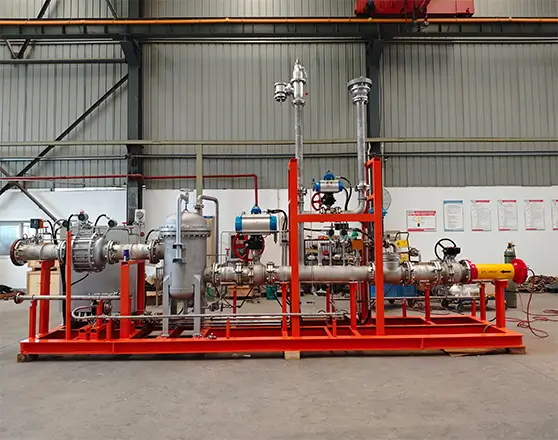
A buyer searching for a marine emergency release device supplier is usually reviewing a berth where transfer equipment, vessel movement and safety interfaces must be described clearly. The supplier should understand the marine loading arm route, ship-shore interface, control boundary, nearby access equipment and project stage. Yuanda Machinery lists emergency release related marine equipment within its marine terminal equipment range, together with marine loading arms, gangways, hose cranes, quick release mooring hooks and dock vapor recovery ship-shore safety devices.
The first decision is whether the request belongs to a new berth, a retrofit, a replacement item or a larger marine loading arm package. A supplier should not confirm an emergency release device from the product name alone. It should ask where the device sits, what equipment it connects to, what route it protects and which parts of the system remain under buyer-side integration.
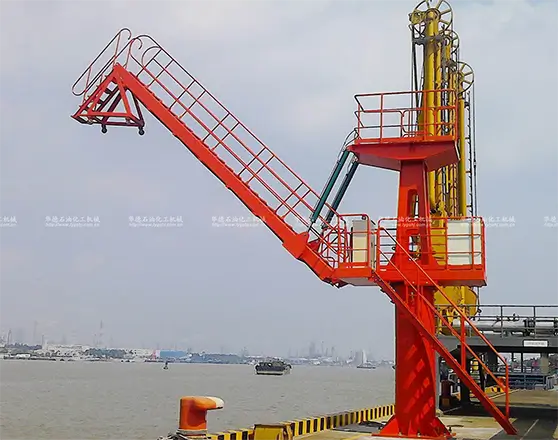
The connected transfer route explains how the marine loading arm, berth equipment and ship-shore interface work together. The supplier should ask whether the device is associated with a manual marine arm, electro-hydraulic marine arm, emergency release marine arm, vapor recovery route or another device package. If the route is not defined, the buyer cannot be sure whether the device discussion is complete.
A project contractor may need the device included in a full marine terminal package, while a terminal operator may need a replacement or upgrade around existing equipment. Those two requests require different evidence. A new project can coordinate the emergency release device with drawings and layout. A retrofit must check old equipment, existing controls and local constraints before approval.
Yuanda’s product categories include marine loading arm types such as AM62 manual arms, AM64 double-pipe arms, AM62H electro-hydraulic arms and AM63HE emergency release marine loading arms. The supplier should ask which arm family or route the buyer is discussing. This does not mean every request uses the same configuration. It means the emergency release device should be reviewed with the real arm route, not as a generic marine accessory.
A ship-shore safety device may be part of the same berth discussion, but the supplier should keep each device purpose clear. If the buyer is discussing vapor recovery, emergency release, arm control or berth interface safety, each item needs its own role and boundary. Clear language prevents the buyer from approving a broad safety package without knowing what is included.
A responsible supplier should not invent capacity, certification, control logic or performance claims that are not confirmed in the buyer’s project file. It can explain what information is needed and how the device fits into the route, but final technical claims should come from actual project documents. This is important for marine terminals where owner standards and local requirements can differ.
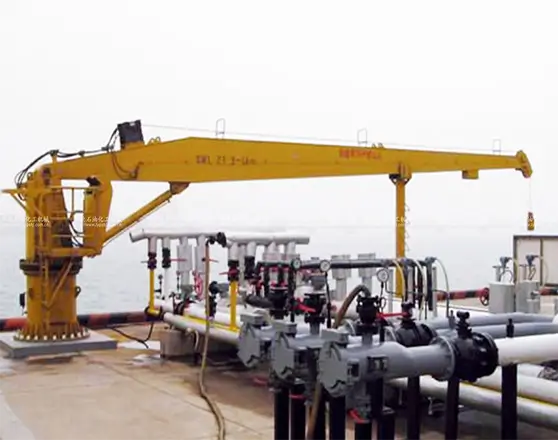
The supplier should also ask how personnel access the device for inspection and maintenance. A gangway, platform or hose crane may affect the approach route. The supplier does not need to supply every surrounding item, but it should know whether access constraints could affect the device location or handover record.
The buyer should know what is included in the supplier package and what remains local work. Control integration, power, civil supports, cable routing, commissioning support and site installation may require separate agreement. A clear boundary protects the buyer from assuming that every connected task is included with the device.
| Supplier review point | Buyer should clarify | Why it matters |
|---|---|---|
| Connected arm route | Marine arm family and berth position. | Defines the device context |
| Device role | Emergency release, safety interface or vapor route. | Avoids mixed scope |
| Integration boundary | Supplier package versus local control/site work. | Prevents project gaps |
| Access route | Gangway, platform and nearby equipment constraints. | Supports inspection and service |
The project file should explain device role, connected arm route, berth position, interface boundary, package marks and maintenance reference. This helps a future terminal team understand why the device was installed and what should be checked before modifying the berth. Without that record, future service may depend on memory rather than approved project data.
For retrofit work, the supplier should ask what existing equipment remains in service. If a marine loading arm stays in place but the emergency release route changes, the file should capture that change. If the buyer lacks old documents, the supplier should state which assumptions remain uncertain and what evidence is needed before production.
Marine projects can involve several equipment packages arriving together. The emergency release device package should be marked by berth route or drawing reference so it is not confused with gangway, hose crane or loading arm parts. Clear marks make installation and future maintenance records easier.
A marine terminal may change loading arms, vapor routes, gangways or hose handling equipment after the first installation. The supplier should help the buyer write a note explaining which future changes should trigger another review of the emergency release device. This note does not replace engineering judgment, but it tells future teams that the device is tied to a route, not only a product box.
The note should name the connected arm route, berth position, interface device and surrounding equipment that may affect access. Buyers can compare this with Yuanda’s fluid loading equipment supplier guide when deciding whether the emergency release device belongs in a wider fluid transfer package. A clear note prevents later modifications from ignoring the original safety interface.
Operations needs to know the device role and route. Maintenance needs the inspection point and connected equipment record. Purchasing needs the supplier package and replacement reference. If all of this is hidden in one vague quotation, future teams may not find what they need. A supplier can help by preparing a concise handover structure.
A photo may help identify equipment, but an emergency release device request needs route evidence. The supplier should ask for the marine loading arm route, old order record, berth position and reason for replacement where available. If only a photo exists, the supplier should state which assumptions remain open before confirming the supply.
This is especially important when a terminal has several similar berths. Devices may look similar but belong to different routes, control boundaries or access conditions. Route-based records protect the buyer from wrong replacement and help the supplier respond more accurately.
For shipment, the supplier should use labels that match the route record. If the package mark and project file use different names, receiving teams can lose confidence. Consistent naming from quotation to packing list to handover record is a small control with real value.
A strong supplier will also be comfortable pausing when the route is not clear. It is better to request drawings or layout notes before production than to deliver a device that later needs rework because the berth interface was incomplete.
The supplier should also help the buyer decide how the device will be discussed during future audits or maintenance reviews. A short route description can explain the device role without exposing unnecessary commercial detail. It gives operations and maintenance a shared reference point when they review the berth.
If the project includes several ship-shore interfaces, the supplier should ask the buyer to keep each interface separate in the record. One device may connect with a marine arm route, another may connect with a different berth package. Combining them under one broad description weakens future replacement control.
A good supplier will also prepare the record so that a later replacement can be handled without restarting the whole engineering conversation. The buyer should be able to identify the berth, connected route, supplied package and pending local responsibilities from the original file.
When those points are recorded, the emergency release device becomes easier to manage across its service life. The buyer can review it when equipment changes, and the supplier can respond from a clear history rather than guessing from scattered photographs.
The supplier should also help the buyer decide how to archive the device file. If it stays only with procurement, operations may miss route notes. If it stays only with maintenance, purchasing may lose the package reference. A shared equipment file keeps the berth interface easier to manage.
It also makes later supplier support faster and more accurate.
That clarity matters during later berth changes.
A strong supplier connects emergency release device supply with marine loading arm route, berth interface, access constraints, integration boundary and future records. Buyers can compare Yuanda’s marine terminal equipment, project delivery examples and the marine loading arm manufacturer guide when preparing a serious berth request.
Before approving the order, the buyer should ask whether operations, maintenance and purchasing can understand the device role without the original meeting. If the route, interface and boundary are clear, the supplier has prepared a useful record. If the file is only a broad device name, the project still needs definition.
This final check prevents a safety-related purchase from becoming vague. The buyer receives a device record that can guide installation, inspection, future replacement and later berth modifications.
