

Get quote
Get Free Consultation!
We are ready to answer right now! free consultation.
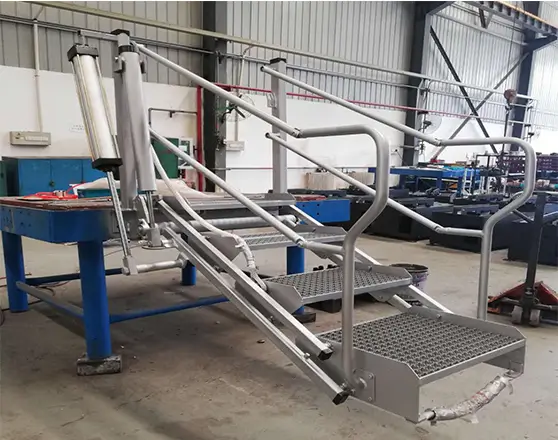
A buyer evaluating a folding stair manufacturer should begin with operator access, not only stair appearance. A folding stair connects a platform to a vehicle top, railcar route or loading position, so it must be reviewed with the platform, loading arm and working height. Yuanda Machinery lists pneumatic folding stairs, widened folding stairs, side-mounted folding stairs, top-mounted folding stairs and SA folding stairs within its access and platform related product range.
The manufacturer should ask what the operator needs to do after stepping onto the stair. Is the operator reaching a top loading point, inspecting a manhole, positioning a loading arm, or accessing a maintenance route? This work sequence decides the stair type, location and package boundary. A folding stair should not be selected only from a catalog picture.
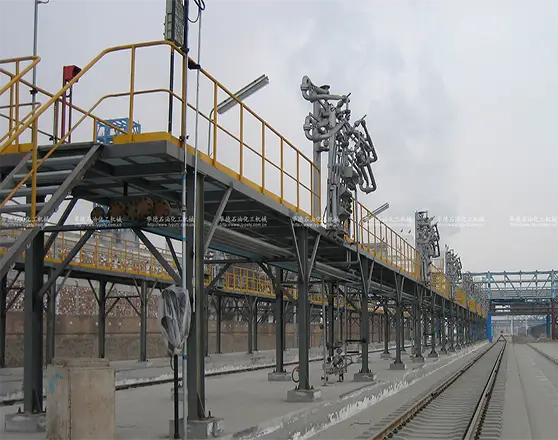
The platform interface determines how the folding stair is mounted, parked and used. The manufacturer should ask platform height, handrail arrangement, vehicle position, access direction and whether the stair connects with a loading arm route. If the platform is not defined, the stair selection may be premature.
A top loading station may need the stair to land near the operator’s working position. A widened stair may be useful where operators need more comfortable access. A side-mounted route may fit a different vehicle approach. The manufacturer should review these options with site conditions instead of assuming one stair type fits every loading bay.
If the buyer considers a pneumatic folding stair, the manufacturer should ask how often it will be used and how operators control movement. The discussion should stay within confirmed product scope, but operating frequency helps the buyer decide whether the selected route supports daily work. The stair should make access easier, not add another awkward step.
A widened stair or side-mounted folding stair should be checked against vehicle position and platform layout. If the stair lands poorly, operators may avoid using it properly. The manufacturer should ask how vehicles stop, where the operator approaches and whether nearby loading arms affect the working area.
The folding stair may support operators working near AL1512, AL1402 or other top loading arms. The manufacturer should ask whether the arm movement and stair landing area conflict. Buyers can compare the stair route with Yuanda’s land loading arms and platform and trestle products when designing a complete loading bay.
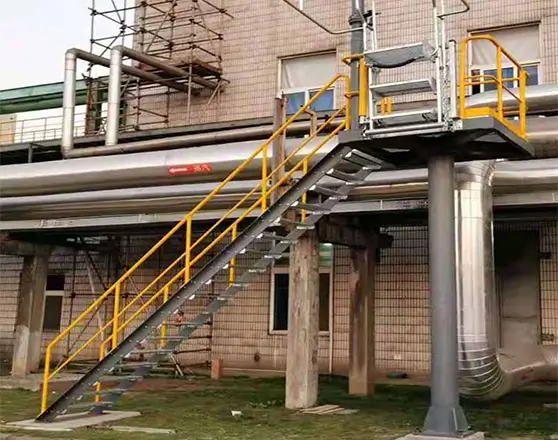
A platform, trestle and folding stair should be reviewed together when they are part of the same station. If the platform handrail is fixed before stair position is reviewed, later changes may be needed. If the folding stair is selected before vehicle position is known, landing may be awkward. Coordinated review prevents these avoidable problems.
The manufacturer should record where the stair parks, where it lands and which loading route it supports. This helps operators understand the intended use and helps maintenance identify the stair later. A stair record that says only folding stair is weak for a site with several loading platforms.
| Folding stair review point | Manufacturer should confirm | Buyer value |
|---|---|---|
| Platform interface | Mounting area, handrail opening and height. | Stair fits the platform |
| Vehicle approach | Stop position and landing route. | Improves operator access |
| Loading arm area | Arm movement and operator standing position. | Avoids route conflict |
| Handover record | Stair type, route and package marks. | Supports future maintenance |
The project file should describe the stair type, platform interface, parked position, landing route and related loading arm or vehicle route. Operators should understand how the stair is intended to be used. Maintenance should understand how to identify the stair and related parts later. Purchasing should know how to describe replacement or service questions.
For retrofit work, the manufacturer should ask why the existing access route is being replaced. Is the old stair hard to use, poorly positioned, too narrow, damaged or no longer aligned with vehicle position? The reason for replacement helps the manufacturer decide whether a direct replacement is enough or whether the platform route needs review.
If the old stair was difficult to use because the vehicle stopped too far away or the loading arm blocked movement, a new stair of similar layout may not solve the problem. The manufacturer should ask about the old pain point before confirming the new stair. This turns a replacement order into a better access decision.
The landing route and parked position should be visible in the approval record. The manufacturer should show or describe where the stair rests when not in use, where it lands during operation, and how this affects platform handrails and loading arm movement. If those points are not clear, the buyer may approve a stair that looks suitable but causes daily operating frustration.
For a top loading bay, the stair landing should support the operator’s work near the vehicle top. For a platform beside a loading arm, the stair should not block the arm or force the operator into an awkward standing position. The manufacturer should review this with the actual loading route rather than a generic stair image.
If several folding stairs ship for several platforms, each package should identify the lane or platform route. A pneumatic folding stair for one bay should not be confused with a widened or side-mounted stair for another bay. Clear marks help installers and warehouse staff keep the project organized.
A future maintenance person should know not only which stair was supplied, but why that stair type was selected. Was it chosen for vehicle approach, operator comfort, platform height or loading arm clearance? A short route reason helps future replacement decisions.
The manufacturer should also ask whether operators will use the stair frequently during each shift or only during certain operations. The answer may affect how carefully the buyer reviews ease of movement, parking and control. This is operating information, not a claim about a specific mechanism unless the project confirms it.
For retrofit work, site photos and old records are valuable. They show whether the previous problem was stair width, platform interface, landing location or vehicle position. A manufacturer that asks for this evidence can help the buyer avoid repeating an old mistake.
The final folding stair file should connect stair type, platform, vehicle route, loading arm clearance, package mark and future maintenance reference. This turns an access accessory into a traceable part of the loading station.
The manufacturer should also ask how operators will handle the stair during repeated loading cycles. A stair that is easy to deploy, park and recognize by route is more likely to be used correctly. If operators find the stair awkward, the access system may fail in practice even when the equipment is supplied as specified.
For multi-lane platforms, each folding stair should be named by lane or platform route. This helps installers place the correct stair and helps maintenance identify the route later. If several stair types ship together, package labels should prevent a widened stair from being confused with a side-mounted or pneumatic stair.
The buyer should also review how the stair interacts with handrails and safety gates where these are part of the access package. The manufacturer should state what is supplied and what remains local work. This avoids assuming that every surrounding access feature is included in the stair order.
When a stair is ordered as a replacement, the old problem should be recorded. If the old stair was too narrow, poorly positioned or hard to park, the new stair should be reviewed against that reason. Otherwise the buyer may repeat the same access issue with a new product.
A folding stair file that captures these details gives operations, maintenance and purchasing a shared reference. That is what makes future service and replacement more disciplined.
The manufacturer should also help the buyer decide how the stair will be named in the platform file. A route-based name such as north loading bay pneumatic folding stair is more useful than a generic stair label. It helps warehouse staff, operators and maintenance teams discuss the same item without confusion.
If several stairs are installed on the same platform line, the manufacturer should encourage separate route records. Similar stairs can still have different landing positions, vehicle approaches or loading arm clearances. The record should preserve those differences.
That separation makes future replacement decisions much cleaner.
It also helps warehouse staff store stairs correctly.
A strong manufacturer connects folding stair selection with platform interface, vehicle approach, loading arm route, parked position, package marks and future records. Buyers can compare Yuanda’s access platform products, project delivery examples and the fluid loading equipment supplier guide when preparing a loading bay access package.
Before approving the order, the buyer should ask whether an operator can understand the stair route from the file. If the stair type, landing route, platform interface and nearby loading arm are clear, the manufacturer has prepared a useful record. If not, the stair review should continue before fabrication.
This keeps the folding stair tied to real loading work rather than treating it as a separate access accessory with no route context.
