

Get quote
Get Free Consultation!
We are ready to answer right now! free consultation.

A buyer evaluating an aluminum loading arm manufacturer should begin with the transfer route, not only with material preference. Aluminum loading arms may be reviewed for lighter handling, route layout, top or bottom connection and accessory package. Yuanda Machinery lists aluminum alloy bottom loading and unloading arms, aluminum alloy top loading and unloading arms, and aluminum loading arm valve and swivel joint products under its land loading arm categories.
The manufacturer should ask whether the buyer needs a new arm package, replacement arm, valve and swivel joint support, or a wider loading bay review. A top aluminum arm and bottom aluminum arm can belong to different operating routes. The review should connect arm type with medium, operator position, vehicle connection and future service records.
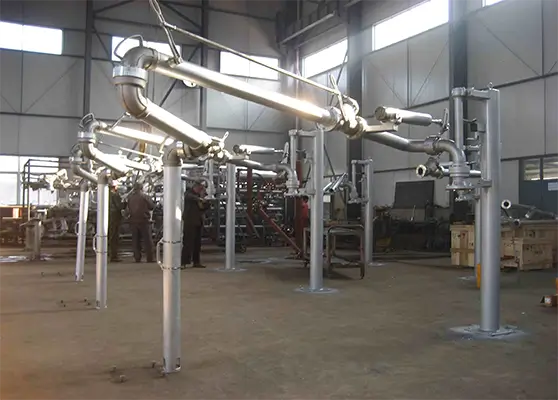
Top loading and bottom loading routes create different operator movements. A top route may depend on platform access and folding stair position. A bottom route may depend on vehicle adapter position, coupler movement and lane clearance. The manufacturer should ask which route the buyer is planning before discussing the arm package.
If the buyer has several loading lanes, the manufacturer should avoid treating all aluminum arms as one family. Each lane may have a different vehicle approach, connection height or accessory requirement. Route names and lane records help the buyer maintain the arms later.
A top loading arm may require a loading platform, folding stair or trestle route. The manufacturer should ask where the operator stands and how the arm moves from parked position to connection. If access is not clear, the arm may be correct but awkward to operate.
A bottom loading route should be reviewed with the vehicle adapter, coupler movement and lane clearance. The manufacturer should ask whether the arm must work beside other arms or skids. Bottom route planning should not be reduced to pipe size alone.
Yuanda’s aluminum loading arm category includes valve and swivel joint products, which should be recorded with the arm route. A manufacturer should identify which valve or swivel belongs to which arm and medium. This helps the buyer reorder parts later without relying only on photos.
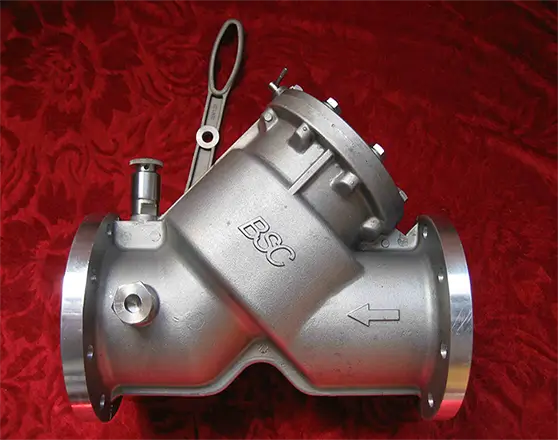
The manufacturer should also ask whether the buyer needs sealing caps, dry disconnect valves, drain pans or other accessories around the route. These accessories may be separate from the arm itself, but they affect daily operation. The file should show what is included and what remains local or separately supplied.
Aluminum arms may use parts that look familiar across several routes. The manufacturer should encourage buyers to record arm family, medium, route and accessory position. A part request that says only valve or swivel joint may be too vague for a mixed loading facility.
| Manufacturer review point | Buyer should provide | Why it matters |
|---|---|---|
| Top or bottom route | Vehicle connection and operator position. | Defines arm family |
| Medium and service route | Product and operating notes. | Supports technical review |
| Valve and swivel records | Accessory position and route label. | Improves future service |
| Packing and handover | Lane marks and package list. | Reduces installation confusion |
The project file should connect the arm type, route, medium, operator access, valve and swivel records, package marks and future maintenance reference. If several aluminum arms ship together, each package should be marked by lane or route. Similar arms can be mixed on a busy site if the marks are weak.
For replacement work, the manufacturer should ask why the arm is being replaced. Is the buyer changing route layout, replacing worn equipment, reducing operator effort, or standardizing a loading bay? The reason affects whether a direct replacement is enough or whether access and accessory scope should also be reviewed.
If vehicle position, platform access, medium or connection data is uncertain, the manufacturer should state that clearly. It can still discuss options, but final fabrication should rely on confirmed route data. This protects the buyer from changes after production.
Buyers may ask for aluminum because they expect easier handling or a lighter route, but the manufacturer should connect that preference with actual operation. Will the operator move the arm from a platform? Is the arm frequently connected and parked? Does the loading bay have several arms close together? These questions help the buyer decide whether aluminum supports the site problem they are trying to solve.
The manufacturer should also ask whether the route is part of a larger loading station. If the aluminum arm connects with a batch loading skid, a platform trestle or a special accessory package, the arm file should reference those items. Buyers can compare the decision with Yuanda’s skid-mounted loading systems when aluminum arms are part of an integrated project.
The parked position and operating envelope should be visible in the approval file. A buyer should know how the arm moves, where it rests and what equipment sits nearby. This is especially useful when several arms share a lane or when the arm is installed near a platform, drain pan or skid package.
If valves or swivel joints ship loose with the aluminum arm, the manufacturer should mark them by route and position. Loose accessories are easy to mix, especially when several arms are supplied in one order. Package labels should match the drawing names and route names used in the file.
For replacement arms, the manufacturer should ask whether the old route worked well. If operators struggled with reach, parking or accessory handling, the new aluminum arm should be reviewed against that problem. A direct replacement may not be the best answer if the route itself needs correction.
The buyer should also ask how future spare parts will be identified. A stable route record lets purchasing request a valve, swivel or cap later without relying on uncertain photos. This is useful for distributors and end users alike.
A manufacturer that keeps aluminum arms connected to route evidence makes the purchase more durable. The buyer receives a record that supports installation, operation and later service.
The manufacturer should also explain how aluminum arms will be inspected on arrival. If the order includes top arms, bottom arms and loose valve or swivel parts, each package should be tied to a route. Receiving teams should not have to decide from appearance which assembly belongs to which loading lane.
For mixed facilities, the aluminum arm record should stay separate from other arm families. A plant may operate petroleum, chemical and special service routes in one loading area. If all arm records are stored together without route labels, future maintenance may order parts for the wrong arm.
A route-based file also helps the buyer evaluate future upgrades. If a batch loading skid is added later, or if a platform is moved, the aluminum arm record can show which arm position and accessory package may need review. This keeps later changes from becoming guesswork.
The manufacturer should be willing to pause when route data is incomplete. If the buyer has not confirmed vehicle connection or platform access, the manufacturer should ask for that evidence before fabrication. A careful pause is better than a fast shipment that requires field correction.
When the final file is complete, it should read like an operating route: arm type, medium, connection, access, accessories, package marks and future service reference. That is what makes aluminum arm procurement more reliable.
The manufacturer should also help the buyer decide whether aluminum is being selected for handling, route standardization or project-specific equipment matching. Those are different reasons. A handling-driven request should focus on movement and operator route. A standardization request should focus on repeatability and spare part records. A project matching request should focus on the complete loading station.
If the arm is exported or supplied through a contractor, the package file should remain clear even after the commercial chain changes hands. Route names, model names and accessory positions should survive handover from manufacturer to distributor, contractor and final user. That continuity protects the buyer from losing technical context.
A manufacturer that treats aluminum loading arms this way helps the buyer avoid the common mistake of selecting by material while forgetting the actual transfer route.
A strong manufacturer connects aluminum loading arms with top or bottom route, access equipment, valve and swivel records, accessory boundaries and future service. Buyers can compare Yuanda’s land loading arm range, loading arm accessories and the loading arm manufacturer guide when preparing a clear request.
Before approval, the buyer should ask whether the route file can guide a future maintenance person. If the arm type, medium, valve, swivel, accessories and package marks are clear, the manufacturer has prepared a useful record. If not, the aluminum arm discussion needs more route detail.
This approach keeps the arm connected to daily transfer work instead of treating aluminum as the only purchasing reason.
For distributors, the same route record helps after-sales support. A distributor can separate top and bottom aluminum arm requests, identify spare parts faster and avoid mixing similar-looking components across customer projects.
A manufacturer that supports this discipline is easier to work with during repeat orders because the next conversation can start from the approved route instead of starting again from photos and memory.
