

Get quote
Get Free Consultation!
We are ready to answer right now! free consultation.
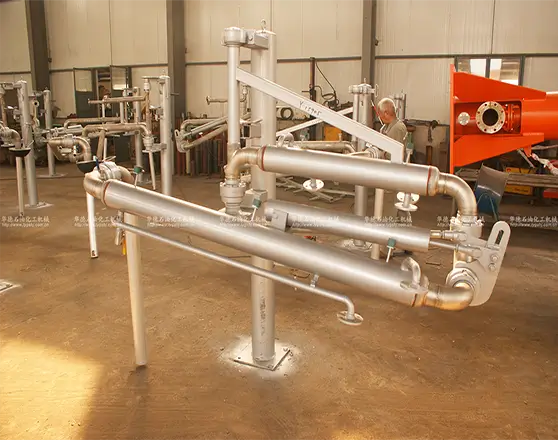
A buyer searching for a PTFE lined loading arm supplier is usually handling a medium where the wetted route needs careful review. The supplier should understand the product, lined boundary, top loading route, access equipment, accessories and future maintenance records. Yuanda Machinery lists the AL1402 PTFE-lined top loading arm within its land loading arm product range.
The supplier should begin by asking why a lined route is required and what information the buyer can confirm. It should not invent chemical compatibility claims or material promises beyond the project data. A PTFE-lined arm request needs a cautious route review, especially when the buyer is planning repeat service or replacement.
The medium and lined boundary are the core of the discussion. The supplier should ask what product is handled, which parts of the route require lining, and what local or site components remain outside the supplied arm. If the lined boundary is vague, the buyer may assume more protection than the package actually includes.
A top loading arm may also depend on platform access, folding stairs and operator movement. The supplier should review the lined route with the physical loading bay. A lined arm that is hard to operate can still create practical problems even if the product route is technically discussed.
The AL1402 PTFE-lined top loading arm should be reviewed with route position, platform access, parked position and operator sequence. The model title helps identify the product family, but the buyer still needs route evidence. Drawings, site photos and old records can all help the supplier confirm the request.
The supplier should state which supplied parts are lined and which connected site parts are outside the package. It should not imply that local piping, valves or accessories are lined unless included in the confirmed scope. Clear boundaries protect the buyer during installation and future maintenance.
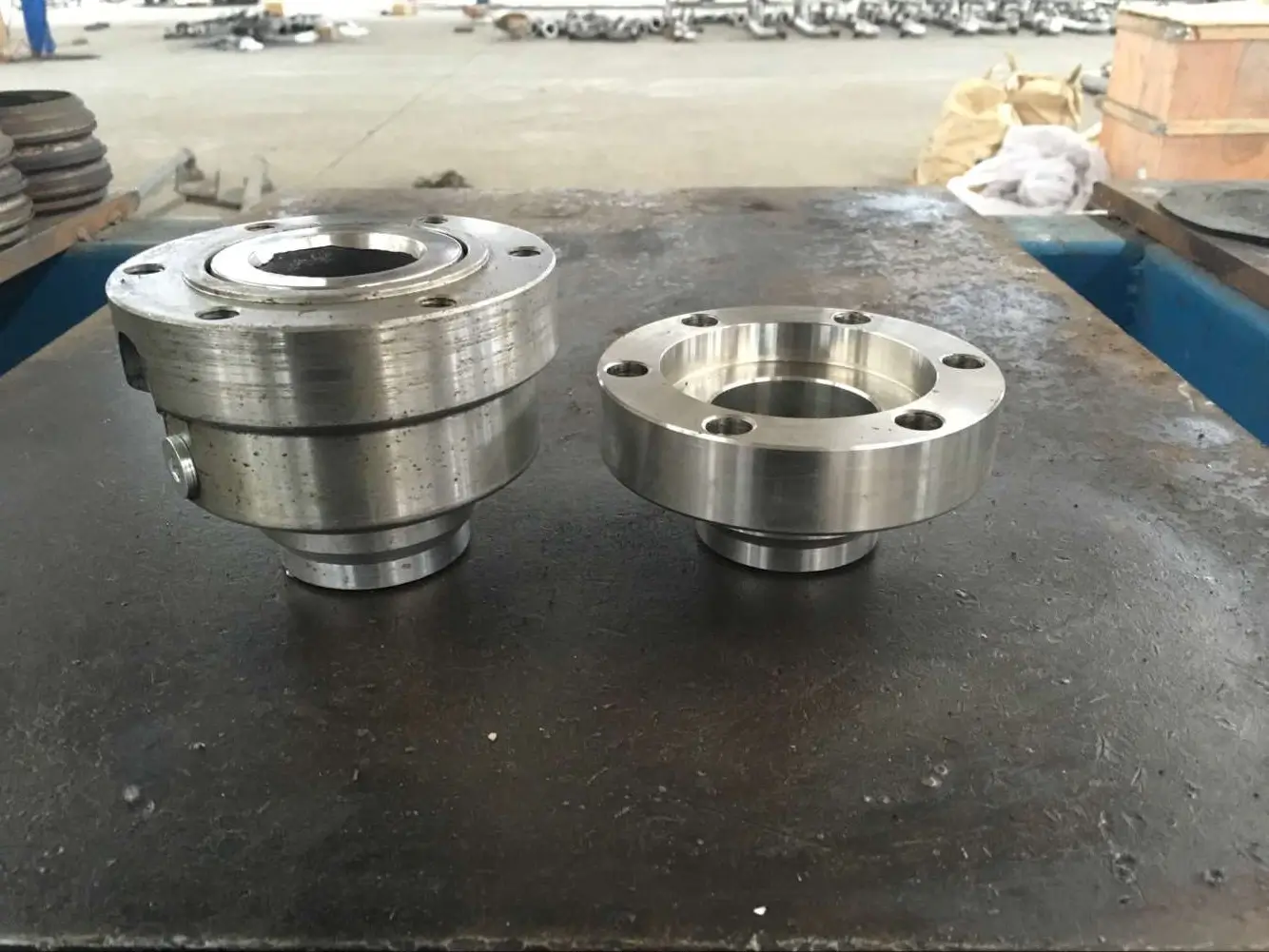
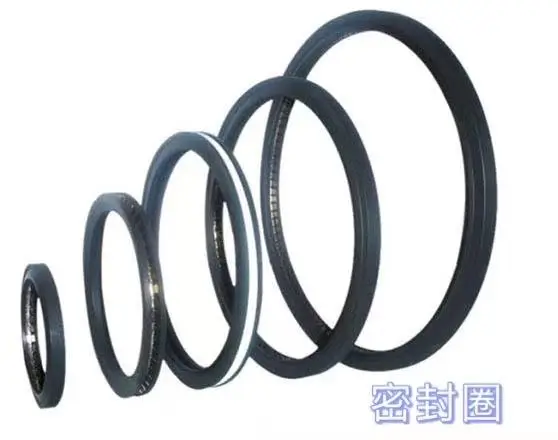
A lined route may still involve swivel joints, sealing parts, caps, drain pans or other accessories. The supplier should identify which accessories are included and how they relate to the lined route. If accessories are separate, the buyer should know before shipment. This prevents field assumptions.
The service record should identify medium, model, lined boundary, accessory scope and package mark. If a part is replaced later, the buyer can refer to the approved record. This is safer than ordering by appearance, especially when the site has ordinary and lined loading arms installed together.
When replacing a lined loading arm, old drawings and route files are stronger than photos. Photos may show shape but not lined boundary, medium or accessory scope. If the buyer lacks old records, the supplier should state which assumptions remain unresolved before confirming the replacement.
| Supplier question | Buyer should provide | Why it matters |
|---|---|---|
| Why PTFE lining? | Medium and service requirement from project data. | Grounds the selection |
| Where is the lined boundary? | Arm route and supplied components. | Clarifies responsibility |
| What access route is used? | Platform, stair and parked position. | Supports operation |
| What is recorded? | Model, medium, accessories and package marks. | Helps future service |
The supplier should separate confirmed facts from pending information. If the buyer has not confirmed medium details, local piping, accessory boundary or installation responsibility, the supplier should mark those points clearly. This prevents early discussion from becoming an unsupported final promise.
For project contractors, the lined arm record should stay with the chemical or special-media route file. Operators need to know the route, maintenance needs replacement references, and purchasing needs a stable description for future orders. A supplier that prepares the file carefully supports all three.
If a shipment includes PTFE-lined arms and ordinary loading arms, package marks should make the difference obvious. Similar external shapes can create confusion. Route labels, model names and accessory lists help receiving teams place the right equipment in the right area.
The lined boundary should remain clear from quotation to handover. If the boundary is described one way during sales and another way on the packing list, the buyer may not know what was supplied. The supplier should use consistent route names, model names and package marks so the owner can identify the lined route later.
The supplier should also ask whether the lined arm is part of a larger chemical loading package. If skids, platforms or accessories are included in the same project, the lined route should be documented beside those systems. Buyers can compare broader project needs with Yuanda’s skid-mounted loading systems when the lined arm belongs to an integrated loading island.
If accessories are supplied with the PTFE-lined arm, the supplier should state whether they are part of the lined route or separate items. It should not imply that an accessory, local valve or site pipe has the same lining unless the scope confirms it. This protects factual accuracy and buyer expectations.
When replacing a lined arm, old drawings, medium records and package lists are valuable. The supplier should use them before relying on photos. If the buyer cannot provide those records, the supplier should identify missing information so the buyer understands the uncertainty before production.
The buyer should also ask how the lined arm will be inspected on arrival. Package labels should make it clear which arm is lined, which route it serves and which accessories belong with it. This avoids mixing lined and unlined equipment during receiving.
For future service, the lined arm file should include medium, model, lined boundary, accessory scope and route label. Maintenance teams can use that file when ordering parts or reviewing route changes later.
A supplier that handles these records carefully reduces the risk of misunderstanding in sensitive service. That careful documentation is part of the value of a specialized supplier.
The supplier should also help the buyer decide how to describe the lined route in future purchasing language. A stable description such as AL1402 PTFE-lined top loading route for a named medium is more useful than a short product nickname. Stable wording helps prevent route confusion when staff change.
If the lined arm is supplied as part of a larger chemical loading project, the route file should stay with the project documents. Operators need the route identity, maintenance needs the boundary and purchasing needs the supplier reference. Keeping those records together reduces future risk.
For distributors, the supplier should separate lined arm requests from ordinary top loading arm requests. Even when the base arm family sounds similar, the lined boundary and medium record make the order different. A distributor that preserves this distinction gives better support to industrial buyers.
The supplier should also make clear when additional data is needed. If medium details or local piping boundaries are incomplete, those points should remain open. It is better to ask for project data than to supply a lined route based on assumptions.
When those details are settled, the buyer receives a route record that can guide receiving, installation, operation and future replacement.
The supplier should also help the buyer decide what future changes require another lined-route review. A new medium, changed local piping, replaced accessory or adjusted platform route may affect the original assumptions. The first file should make those relationships visible enough for future teams to notice them.
If the lined arm is exported through a distributor, the distributor should pass the medium and boundary record to the end user. Without that record, the end user may know only that the arm is lined, not where the lined boundary begins and ends. That is not enough for careful maintenance.
A careful supplier protects the buyer by making the lined route understandable in plain language. The result is a safer purchasing decision and a better service record.
The buyer should also ask whether the packing list separates lined-arm parts from ordinary accessories. This simple separation helps the receiving team protect the route identity before installation begins.
For long-term service, the supplier’s record should make it clear who can answer future questions about the lined boundary, accessory scope and route history. That keeps later maintenance from depending on memory.
That clarity is especially valuable when several chemical loading routes share one warehouse.
A strong supplier connects PTFE-lined arm supply with medium, lined boundary, top loading access, accessory scope, package marks and future records. Buyers can compare Yuanda’s land loading arms, loading arm accessories and the chemical loading arm manufacturer guide when preparing a corrosive-service request.
Before approving the order, the buyer should ask whether the lined boundary is clear to operations, maintenance and purchasing. If yes, the supplier has prepared a useful record. If not, the order needs more route definition before shipment.
This keeps the PTFE-lined loading arm tied to the buyer’s actual medium and route rather than treating lining as a generic product label.
A supplier that is careful with boundaries is easier to work with because it reduces the chance of misunderstanding what is supplied and what remains local work.
That clarity matters most when the site operates lined and unlined routes side by side.
