

Get quote
Get Free Consultation!
We are ready to answer right now! free consultation.
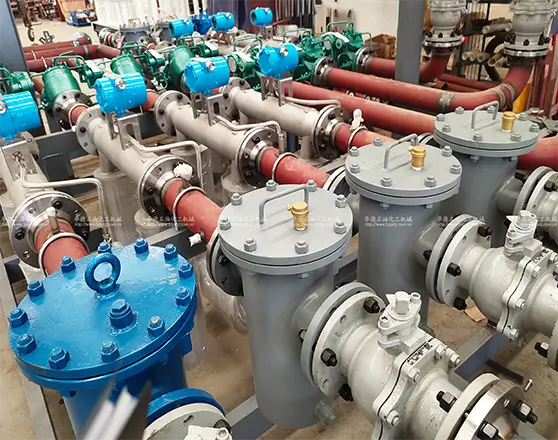
An automatic quantitative loading system supplier should help buyers connect loading control with real terminal equipment. Yuanda Machinery lists automatic quantitative loading systems, batch controllers, host computer management systems and skid-mounted loading systems within its batch loading control system category. The buyer should review the controller, loading arm interface, skid route, data handover and package boundary together.
The system is not only a control cabinet or a screen. It belongs to a loading route where the operator, vehicle, loading arm, pump or skid equipment and management record must work together. A supplier that asks about the physical loading bay before discussing control functions is more useful than one that only lists software names.
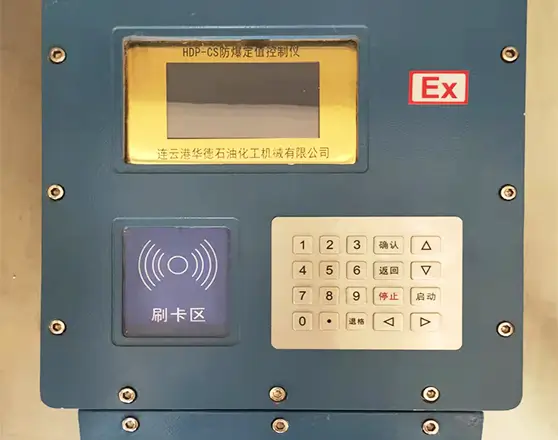
The batch controller should be reviewed with the loading lane it controls. The supplier should ask whether the route is top loading, bottom loading, skid-mounted, truck loading, rail loading or part of a storage tank facility. The control system should be described through that route, not isolated from it.
A terminal upgrading from manual records may expect cleaner loading management, but the supplier still needs confirmed project data. The buyer should define which arms or skids belong to each lane, how operators start and stop loading, and what information the owner expects to keep after each loading event.
The batch controller record should identify the lane, loading arm or skid equipment it supports. If several controllers are supplied in one project, package marks should separate them. A label that says only controller is weak for receiving, installation and later service.
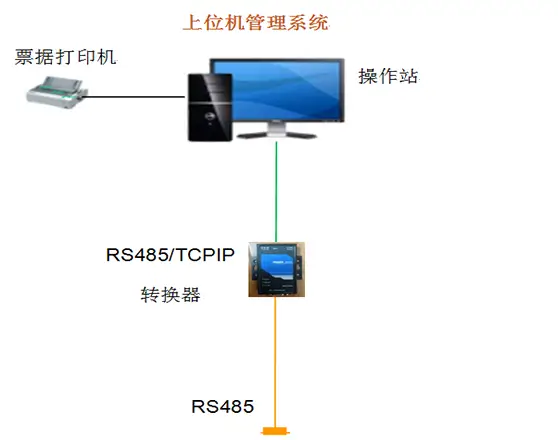
A host computer management system should be discussed through the buyer’s record workflow. The supplier should ask what information needs to be viewed, stored or checked by the operating team. It should not invent data fields beyond the confirmed system scope, but it should make the handover file easy to understand.
Automatic quantitative loading is often connected with skid-mounted loading equipment. Yuanda lists top loading skids and bottom loading skids, so the supplier should ask which physical route the control system supports. The skid route affects wiring boundary, instrument position, operator interface and package marks.
A project contractor may buy the control system, skid and arms under separate scopes. If those scopes are not coordinated, the loading bay can become hard to commission. The supplier should define what it supplies and what remains for local integration.
A top loading skid may operate near platforms, folding stairs and top loading arms. Buyers can compare Yuanda’s land loading arms and folding stair products when reviewing whether the control sequence matches operator movement.
A bottom loading skid may depend on coupler position, vehicle approach and lane clearance. The supplier should ask for this route data before the control file is treated as final. Control documents should not ignore physical access and connection details.
| System point | Route evidence to confirm | Buyer value |
|---|---|---|
| Batch controller | Lane name and equipment interface. | Clear installation identity. |
| Host computer | Record workflow and user needs. | Readable operating file. |
| Skid route | Top or bottom loading layout. | Better control boundary. |
| Package marks | Controller, skid and arm labels. | Simpler receiving and service. |
Operators should be able to understand which loading lane the system controls, where the equipment is located and how records are handled. The supplier should write a handover file that connects controller, host computer, loading arm, skid and package boundary. A file that only lists component names is not enough for daily operation.
The buyer should also ask how future maintenance will identify the system. If a controller, screen or interface needs support later, the service team should know which lane and equipment it belongs to. This is especially important when a terminal has several similar loading routes.
The same route name should appear on drawings, crates, controller labels and operating records. If one document calls the route bottom loading skid one and another calls it line B, future staff may not know whether they describe the same equipment. Stable naming prevents confusion.
The supplier should identify what remains local work, including site wiring, utilities, installation or external system connections when they are outside its scope. Clear local boundaries help the buyer plan commissioning without assuming the supplier package includes everything.
A buyer may focus on management functions and forget the physical loading route. That creates risk. The system should be connected with loading arms, skids, platforms, vehicle approach and storage tank operation. Buyers can compare this decision with Yuanda’s terminal loading skid manufacturer guide and skid-mounted loading system manufacturer guide.
If the supplier cannot explain how the controller and host computer relate to the loading bay, the buyer should pause. The control system may still be technically capable, but the project file is not ready for installation or future service.
Confirmed equipment, route names and package boundaries should be written clearly. Pending integration details should remain visible until resolved. This protects the buyer from treating early assumptions as final facts.
A strong supplier connects automatic quantitative loading with the batch controller, host computer, skid-mounted system, loading arms and project records. Buyers can review Yuanda’s batch loading control systems, project delivery examples and fluid transfer equipment supplier procurement guide when preparing a terminal control request.
Before approving the order, the buyer should ask whether the controller, host computer and physical loading route can be understood from one file. If yes, the supplier has created a practical project record. If not, the system may become difficult to install, operate or service.
The best purchase is not the most complex screen. It is the loading control package that matches the real route and leaves future operators with clear records.
A distributor supporting terminal buyers should keep controller and skid records together. If those records are separated, the end user may know the system name but not which route it controls. That weakens support after shipment.
For a new depot or terminal upgrade, the supplier should keep asking one practical question: what happens at the loading lane when the system is used? The answer should guide the whole order.
The buyer should also decide how much information belongs in the operator’s daily view and how much belongs in the management record. A batch controller may be close to the loading lane, while the host computer may support supervision or record review. The supplier should describe those roles through the project scope rather than implying functions that have not been confirmed.
For an oil depot or chemical terminal, the control package may need to reference several physical items: loading arm, meter skid, valve position, grounding or access equipment, depending on the confirmed design. The supplier should not invent a full process, but it should ask which items are actually part of the loading route so the controller file is not disconnected from field work.
Commissioning records are also important. The buyer should know which controller belongs to which lane and which host computer record belongs to which system. If a problem appears during startup, route labels and package marks help the project team find the right device quickly. Without those labels, troubleshooting can become slow even when the equipment is correct.
A supplier serving distributors should provide enough route language for resale support. The distributor may not install the system, but it will often receive service questions later. If the distributor can see controller identity, skid route and package boundary, it can direct the buyer to the right information instead of asking for new photos every time.
The final order should separate the control supply from local responsibility. Site wiring, installation, utilities or external system connections may sit outside the supplier package. Those boundaries should be written clearly so the buyer does not assume that a control system order automatically includes every field integration task.
A useful automatic quantitative loading system file is therefore both technical and practical. It names the lane, explains the controller role, identifies the host computer relationship, connects the skid or arm route and leaves open items visible until resolved. That is the type of file a terminal owner can keep using after the first loading run.
The buyer should also ask how the supplier will name records for future expansion. A terminal may begin with one loading island and later add another. If the first system uses clear lane names, controller identifiers and skid references, the next expansion can follow the same language instead of creating a new naming system.
A system supplier should also explain how documents are packaged for the owner. Drawings, controller references, host computer notes, skid layout and route labels should be easy to keep together. When those documents arrive separately with no route relationship, the owner may lose the connection between software records and field equipment.
For buyers comparing supplier proposals, the strongest offer is often the one that makes responsibilities explicit. A control package with clear lane identity, confirmed equipment interfaces and written local boundaries is easier to evaluate than a broad promise of automation with little field context.
