

Get quote
Get Free Consultation!
We are ready to answer right now! free consultation.
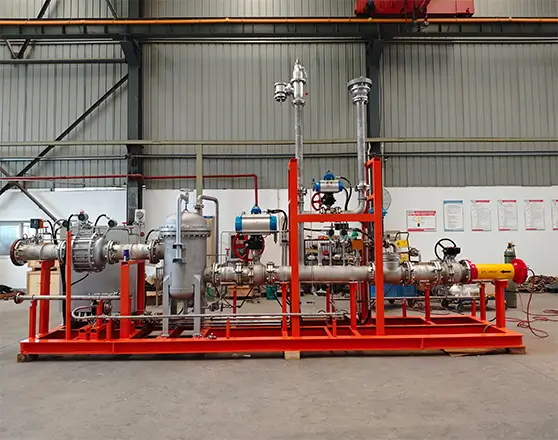
A buyer evaluating a dock vapor recovery system manufacturer should begin with the marine terminal route, connected equipment and project boundary. Vapor recovery at a dock is not an isolated product conversation. It may relate to ship-shore safety devices, marine loading arms, hose handling, berth access and control interfaces. Yuanda Machinery’s marine terminal equipment category includes the dock vapor recovery ship-shore safety device beside other berth equipment.
The manufacturer should ask which part of the vapor recovery route the buyer wants to review. Is the project focused on the ship-shore interface, a device package, a berth upgrade, or coordination with marine loading arms and other terminal equipment? Without this route definition, a system discussion can become too broad to turn into a reliable purchase request.
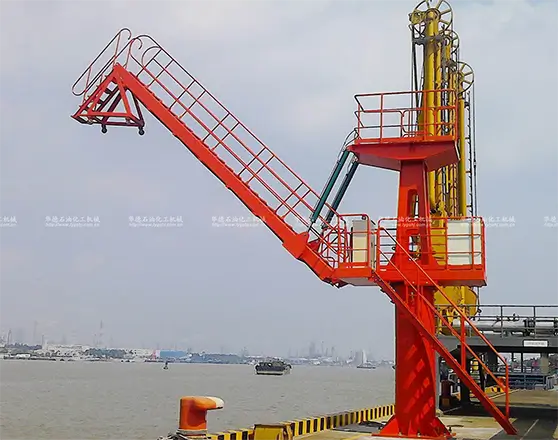
The berth route includes where vapors are handled, which equipment connects to the route, how operators access the area and what boundaries separate manufacturer supply from local integration. The manufacturer should ask for layout information, connected equipment and project stage. If the buyer cannot provide complete data, the proposal should clearly state which details remain pending.
A terminal may discuss vapor recovery together with marine loading arms, ship-shore safety devices, hose cranes or dock access equipment. These products are not the same, but they can share the same berth and control environment. The manufacturer should help the buyer keep each function distinct while still reviewing the interface as one project route.
If marine loading arms are part of the same transfer operation, the manufacturer should ask how the vapor recovery route relates to arm position, movement and connected equipment. The buyer should provide the arm route and project file where possible. A vapor recovery discussion that ignores the loading arm route may miss practical interface issues.
A ship-shore safety device may be part of the vapor recovery interface, but the manufacturer should state what it includes and what remains outside the supply scope. Surrounding platforms, civil supports, cables, controls or site integration may require separate agreement. Clear boundaries protect the buyer from scope gaps.
The manufacturer should not invent performance data, certifications or regulatory claims that are not present in the buyer’s project documents. It can describe how the device or system fits the route, what information is needed and how connected equipment should be reviewed. Specific capacity, compliance or test details should be based only on confirmed project evidence.
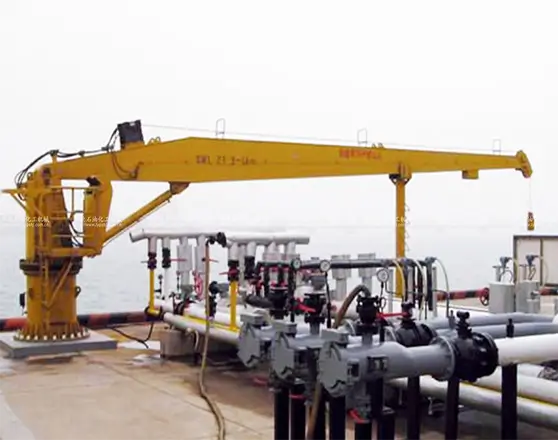
This cautious language is important for international buyers because requirements may differ by terminal, product, berth and local regulations. A responsible manufacturer helps the buyer gather the right project data rather than replacing that data with generic claims. This makes the final technical conversation more credible.
The buyer may know that vapor recovery is required but not yet know the final control route, connected device package or installation boundary. The manufacturer should separate confirmed equipment from pending choices. This allows procurement to move forward carefully without turning assumptions into promises.
| System review point | Manufacturer should ask | Buyer value |
|---|---|---|
| Berth route | Where the vapor route connects and operates. | Defines system context |
| Connected equipment | Marine arms, safety devices and hose handling. | Avoids isolated review |
| Supply boundary | Manufacturer package versus local integration. | Prevents scope gaps |
| Confirmed data | Project documents, route notes and pending items. | Keeps claims accurate |
The project file should explain the vapor route, device role, connected marine equipment, package boundary and records needed for maintenance. Future teams may modify a berth, replace a marine loading arm or upgrade controls. A clear vapor recovery file helps them understand what should be checked before changing connected equipment.
For a retrofit, old berth information matters. The manufacturer should ask what existing systems remain and what is being replaced. It should not assume that an older layout can accept a new device without review. The buyer should provide photos, drawings or operating notes where available so the manufacturer can identify information gaps.
If vapor recovery equipment ships with gangways, hose cranes, hooks or loading arm components, the package marks should be clear. Receiving teams should know which assemblies belong to the vapor recovery route and which belong to other berth systems. Good labels make installation and future documentation easier.
Dock vapor recovery discussions can involve process route, marine transfer equipment, safety devices, access equipment and control boundaries. The manufacturer should help the buyer keep each decision traceable. A future engineer should be able to see which information was confirmed, which equipment was connected and which items remained outside the manufacturer’s package.
Traceability does not require overcomplicated writing. The file can use plain project language: vapor route at berth, connected marine loading arm, ship-shore safety device package, local integration by buyer, and pending information still under review. That kind of language is easier for procurement and maintenance to use than broad system descriptions.
If a vapor recovery route is discussed with marine loading arms, hose cranes, gangways or quick release hooks nearby, those items should be named where they affect interface or access. The manufacturer should not claim ownership of all surrounding equipment, but it should make the relationship visible enough for future project teams to understand.
Early-stage buyers may still be gathering product, flow, control or regulatory information. The manufacturer can help list what is needed, but it should avoid writing preliminary assumptions as final commitments. This is part of factual discipline and protects the buyer as the project moves from inquiry to engineering approval.
For retrofit work, old system information should be reviewed carefully. A terminal may have existing vapor lines, loading arms, platforms or control arrangements. The manufacturer should ask what stays and what changes. If the old file is incomplete, the new proposal should show the missing evidence rather than hiding uncertainty.
A stronger manufacturer will also explain what the buyer should prepare before shipment. Site boundary, receiving plan, package identification and integration responsibility should all be visible. These practical details often decide whether installation moves smoothly.
The final approval should provide a vapor recovery interface record that remains useful after installation. It should not be only a quotation. It should connect the dock route, connected equipment, device package and future review points into one coherent file.
A manufacturer should also help the buyer identify which future changes would trigger another review. If a marine loading arm changes, if a ship-shore safety device is modified, or if access around the berth is rearranged, the vapor recovery interface may need to be checked. The original file should make those relationships visible.
For buyers comparing system manufacturers, the strongest response is usually the one that asks for more route evidence before making firm claims. That may feel slower at inquiry stage, but it protects the project from assumptions about equipment, controls or site integration.
The vapor recovery record should also be tied to relevant product families. Buyers can compare the device discussion with Yuanda’s fluid loading equipment supplier guide when deciding whether the request belongs in a wider fluid transfer package.
The manufacturer should be clear about what the buyer must supply after the order. Site drawings, confirmed route notes, receiving plans and local integration responsibilities may still be needed. A clear list of owner-side information is more useful than a broad promise that hides project dependencies.
When the equipment arrives, package labels should match the vapor recovery route and project drawing. This keeps receiving teams from mixing vapor recovery assemblies with gangway, hose crane or loading arm parts.
The manufacturer should also help the buyer plan how the record will be used later. A dock vapor recovery route may be reviewed again when products change, when a berth is upgraded, or when connected marine equipment is replaced. The original file should show the interface clearly enough for that future review.
For purchasing teams, the file should identify the supplied package and related route. For operations, it should explain how the system relates to the berth. For maintenance, it should name connected equipment and record boundaries. These details make the system easier to support after installation.
That support matters most when future upgrades touch several marine systems at once.
It keeps decisions traceable.
A strong manufacturer connects vapor recovery scope with berth route, connected marine equipment, safety device boundaries and future records. Buyers can compare Yuanda’s marine terminal equipment range, project delivery examples and the marine loading arm manufacturer guide when preparing a dock vapor recovery request.
Before approving the order, the buyer should ask whether the system file would make sense to a future engineer who did not attend the original meetings. If the route, equipment interface, package boundary and pending data are clear, the manufacturer has prepared a usable project record. If not, the vapor recovery discussion needs more definition before shipment.
That final review keeps the project grounded in real terminal conditions rather than broad system language, which is exactly what industrial buyers need when several berth systems meet in one operating area.
