

Get quote
Get Free Consultation!
We are ready to answer right now! free consultation.
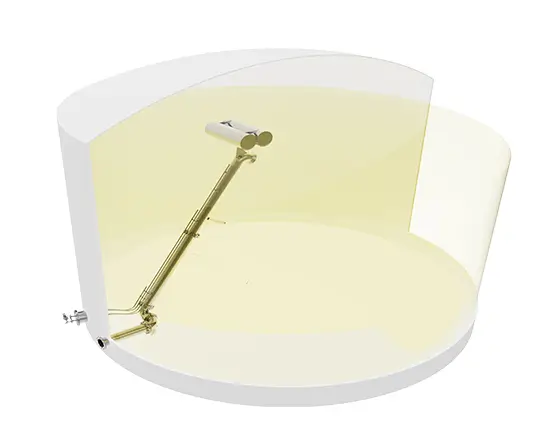
A buyer selecting a floating suction system supplier is usually trying to improve product withdrawal from a storage tank while keeping suction near the desired liquid level. The supplier should understand tank service, floating suction device route, pontoon suction arm arrangement, mixer or sampler interfaces, installation access and future maintenance records. Yuanda Machinery’s floating suction system category includes floating suction device and pontoon suction arm, rotary jet mixer for oil tanks and storage tank blending, and tank bottom sampler.
Floating suction equipment should be selected from the tank condition, not only from a product name. The supplier should ask about tank size, stored medium, operating level, suction purpose, internal obstacles, roof type, installation access and whether the tank also uses mixers, samplers or internal floating roof equipment. A tank system works as a whole, and the suction route should respect that.
The buyer should also define whether the project is new construction or retrofit. A retrofit tank may have limited access and existing internal equipment. A new tank can coordinate suction equipment, roof equipment and sampling routes earlier. The supplier should identify which assumptions belong to the actual project stage.
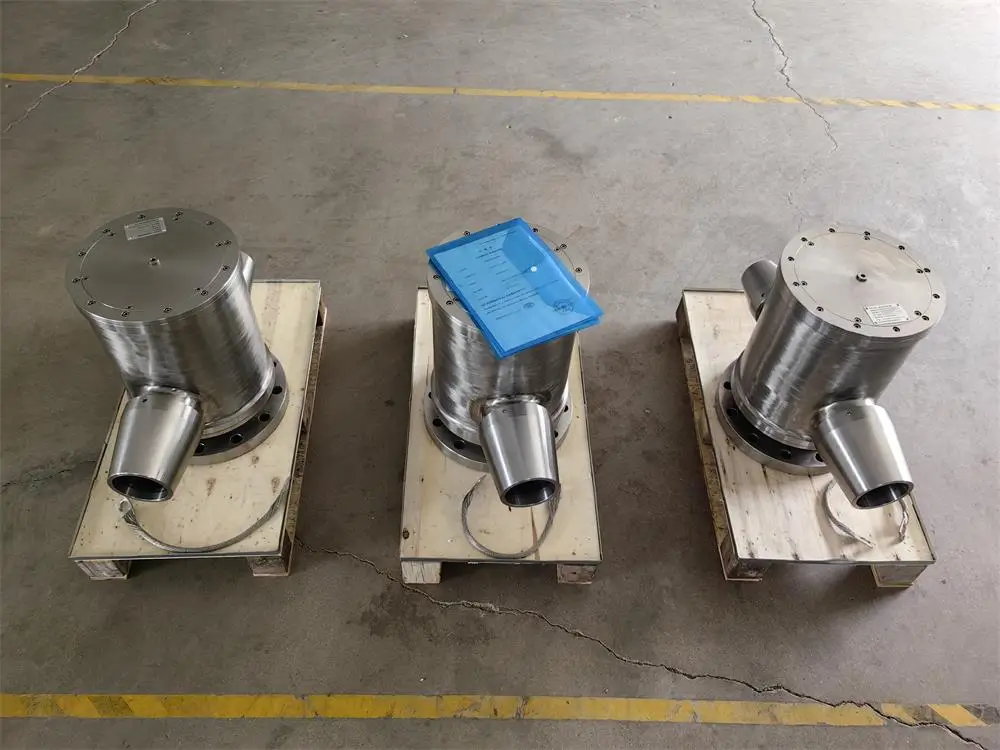
Tank service shapes the floating suction decision. The supplier should ask what product is stored, what layer or level the buyer wants to withdraw from, how the liquid level changes, and whether sediment, blending or sampling affects the route. Without those details, the proposal may describe equipment but not the withdrawal problem.
The buyer should provide drawings or site information when possible. Tank diameter, nozzle position, internal supports and roof equipment can affect the suction arm path. A supplier that asks for this information is trying to protect the project from field conflict, not slowing the purchase.
A pontoon suction arm should be reviewed with internal supports, roof equipment, mixers, sampling points and access openings. The supplier should ask how the arm moves as the liquid level changes and whether any internal equipment could interfere. A correct suction device still needs a tank-specific movement route.
The buyer should explain why floating suction is needed. It may be used to withdraw from a cleaner upper layer, support product quality management or adapt to changing levels. The supplier should connect the equipment route with that goal so the proposal is not only a mechanical drawing.
Storage tanks may include more than suction equipment. Yuanda lists rotary jet mixer for oil tanks and storage tank blending, as well as tank bottom sampler. If these products are present or planned, the floating suction supplier should ask whether their positions affect the suction route. Separate equipment packages can still conflict inside the same tank.
A mixer route may influence flow patterns and internal space. A sampler may occupy a position that affects service access. The supplier does not need to supply every tank accessory to review the interface; it should at least ask what internal equipment exists and which drawings should be checked.
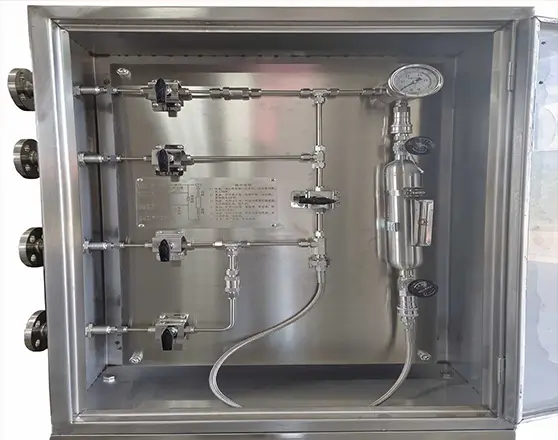
A tank bottom sampler may appear separate from floating suction, but both belong inside the tank’s working space. The buyer should ask whether sampler location, access or maintenance route affects the floating suction arm. If the supplier ignores other tank equipment, the field team may discover a conflict during installation.
| Tank suction question | Supplier should verify | Why it matters |
|---|---|---|
| Why floating suction? | Withdrawal goal, liquid level and product condition. | Equipment matches the problem |
| What is inside the tank? | Supports, roof equipment, mixer, sampler and nozzles. | Avoids internal conflict |
| New tank or retrofit? | Access opening, assembly route and existing constraints. | Installation is realistic |
| How will service be recorded? | Tank number, suction route, components and drawing. | Future maintenance is clearer |
Floating suction equipment may be installed inside a tank where access is limited. The supplier should mark components by tank number, drawing reference and assembly route. If several tanks receive equipment in one order, labels should prevent parts from being mixed. Installation teams should not have to identify components by memory.
The service record should stay with the tank. It should identify the floating suction device, pontoon suction arm, mixer or sampler interface where relevant, drawing reference, installation boundary and spare part references. Future maintenance becomes easier when the tank file contains this information from the first order.
A maintenance record should not only list equipment name. It should describe how the suction arm moves, which tank interfaces were reviewed and which components belong to the system. If a future inspection finds wear or movement restriction, the buyer can compare the condition with the original route record.
Buyers can compare Yuanda’s floating suction systems with the internal floating roof range because many storage tank projects involve both roof and withdrawal decisions. If the project also includes terminal loading, the fluid transfer equipment supplier guide helps connect storage and loading scope.
A strong supplier does not quote floating suction equipment in isolation. It asks about the tank, product, withdrawal goal, internal equipment, access route, assembly method and future service record. Those questions help the buyer avoid equipment conflict inside the tank.
For retrofit projects, the buyer should expect more questions. Existing tanks may have old supports, limited access, unknown obstructions or previous modifications. The supplier should identify which data is missing before final approval so the buyer does not discover conflicts during installation.
For new tanks, the supplier can help coordinate suction equipment with roof, mixer and sampler plans earlier. Early coordination does not remove the need for final drawings, but it helps the buyer avoid placing internal equipment where it will later interfere.
The final supplier choice should be based on tank-specific understanding. The floating suction route should match the withdrawal goal, avoid internal conflicts, ship with clear marks and leave a record that future maintenance can use. That is the practical value buyers should expect from a floating suction system supplier.
A floating suction system buyer should also compare the suction route with internal roof decisions. If the same tank uses an internal floating roof, the supplier should ask how the roof, supports and suction movement relate inside the tank. The buyer should not assume these systems will avoid each other automatically. Early review can prevent an installation team from discovering that the suction arm path, roof components or maintenance route has not been coordinated.
For tanks that also use blending equipment, Yuanda’s rotary jet mixer should be reviewed as part of the internal layout. The floating suction device and pontoon suction arm may have a different purpose from a mixer, but both belong in the same physical space. The supplier should ask whether flow, movement or service access from one item affects the other. This is especially useful when a tank farm upgrades several internal systems in phases.
Retrofit projects require a stronger information check. Old tanks may have undocumented internal parts, limited openings, sediment, or past modifications that make installation more difficult than a new tank. The supplier should ask which conditions have been verified and which are assumptions. The buyer should keep those assumptions in the project file so field teams understand what may still need confirmation before installation.
The supplier should also explain how components are packed for tank entry. Large pieces may need to pass through restricted openings, while smaller parts must still be labeled clearly. If several tanks receive suction equipment, package marks by tank number and drawing reference become essential. A receiving team should be able to separate Tank 1 and Tank 2 components without relying on visual guesses.
A storage project may later connect with loading or terminal equipment, so buyers can keep the suction file beside the fluid loading equipment supplier guide and Yuanda’s fluid transfer equipment category records. This does not mean the suction system and loading arms are one product, but storage and transfer decisions often meet in the same facility. Good records make later project coordination easier.
Before approving the floating suction system supplier, the buyer should ask whether the proposed route can be explained to installation and maintenance teams. They should understand the withdrawal goal, arm movement, internal interfaces, component marks, site work and future service record. If that explanation is clear, the order is much stronger than a simple product quotation.
The buyer should also ask how the supplier handles movement limits. A floating suction arm operates as the tank level changes, so the record should explain the expected movement route and any conditions that require separate review. If internal equipment, roof parts or nozzles restrict movement, the supplier should identify that before production. This is the difference between selecting equipment and confirming that it can work inside the actual tank.
For tank farms with several products, the supplier should record the service behind each suction system. Oil storage, blending tanks and other liquid storage duties may not have the same withdrawal goal. Similar-looking pontoon suction arms can still belong to different tank conditions. Keeping tank number, stored medium and suction purpose together helps future maintenance teams order the correct support or replacement parts.
Installation planning should include how the system enters the tank, how components are staged and which local work must be complete first. The supplier may not provide tank cleaning, lifting or local installation labor, but it should identify what the buyer must prepare. A clear boundary keeps the equipment from waiting at site while basic access or support questions are still unresolved.
A final floating suction system order should leave the buyer with a tank-specific service file. That file should include the suction route, pontoon arm arrangement, internal equipment interfaces, component marks and future reference data. When a later inspection finds a movement issue or the tank is modified, the owner can compare the change against the approved route instead of guessing from memory.
The supplier should also ask whether future tank modifications are expected. A new internal roof, mixer, sampler or nozzle can change the suction arm route. If the buyer already knows a modification may happen later, the supplier should record whether the current route has been reviewed for that possibility or needs a later check.
For maintenance teams, a route drawing should show more than a product outline. It should help them understand movement, clearance and service access. That drawing becomes valuable when the tank is inspected, cleaned or modified in the future.
A buyer should choose the floating suction system supplier that treats the tank as a working environment. The best proposal makes withdrawal purpose, internal interfaces, packing and future service clear before equipment is shipped.
That clarity helps both new tank projects and retrofit work. It lets the buyer coordinate suction equipment with roof systems, mixers, samplers and future maintenance instead of treating each tank item as an isolated purchase.
When the supplier documents the route carefully, the owner can manage later inspections and modifications with a real reference rather than relying on memory.
That reference is the lasting value of a well-prepared suction system order.
