

Get quote
Get Free Consultation!
We are ready to answer right now! free consultation.
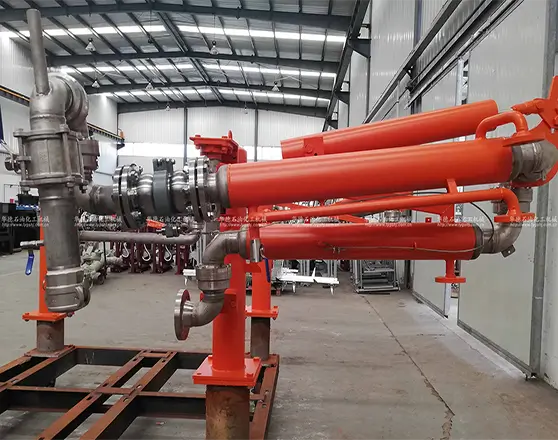
A buyer evaluating a heat traced loading arm manufacturer is usually handling a medium or operating condition where temperature management matters. The arm should be reviewed with medium behavior, route layout, heating boundary, insulation boundary, operator access and future service records. Yuanda Machinery lists the AL1402 heat-traced loading arm within its land loading arm product range.
The manufacturer should ask why heat tracing is required. Is the buyer preventing cooling, supporting flow behavior, meeting a process requirement or replacing an existing heated route? The answer shapes the technical review. A heat traced arm should not be chosen only because the keyword appears in a specification.
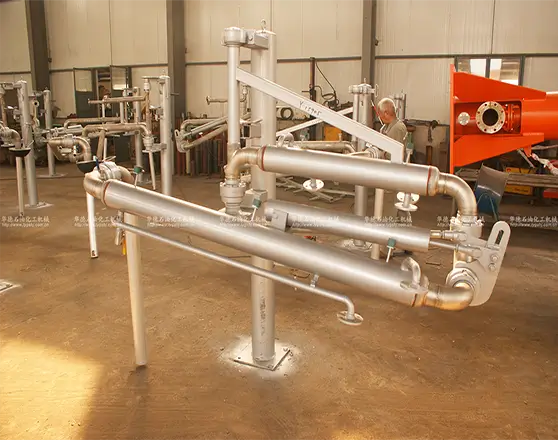
Medium condition is the starting point. The manufacturer should ask what product is transferred, what temperature-related issue the buyer is trying to manage, and what information is confirmed by the project. If the buyer cannot provide required temperature or process data, the manufacturer should mark that as pending instead of making unsupported claims.
The route should then be reviewed with the heating need in mind. A top loading route may involve platform access and operator movement. A bottom or special route may involve different connection and parking conditions. Heat tracing adds another layer to the arm file, so the manufacturer should keep records precise.
When a buyer asks about an AL1402 heat-traced loading arm, the manufacturer should still ask where the arm is installed, how it parks, how the operator reaches it and what accessories are included. The model name is useful, but it does not replace route information. The arm must fit the loading bay.
The manufacturer should state what heat-traced components belong to the arm package and what remains part of local electrical, control or site work. The buyer should not assume every cable, control, insulation or field connection is included unless the supply scope says so. Clear boundaries reduce installation risk.
Accessories may still matter on heat-traced routes. Swivel joints, sealing caps, valves, drain pans or dry disconnect valves should be reviewed where relevant. The manufacturer should explain which accessories are included and which are separate. The service file should identify accessories by route, because temperature-sensitive routes often need more careful future maintenance.
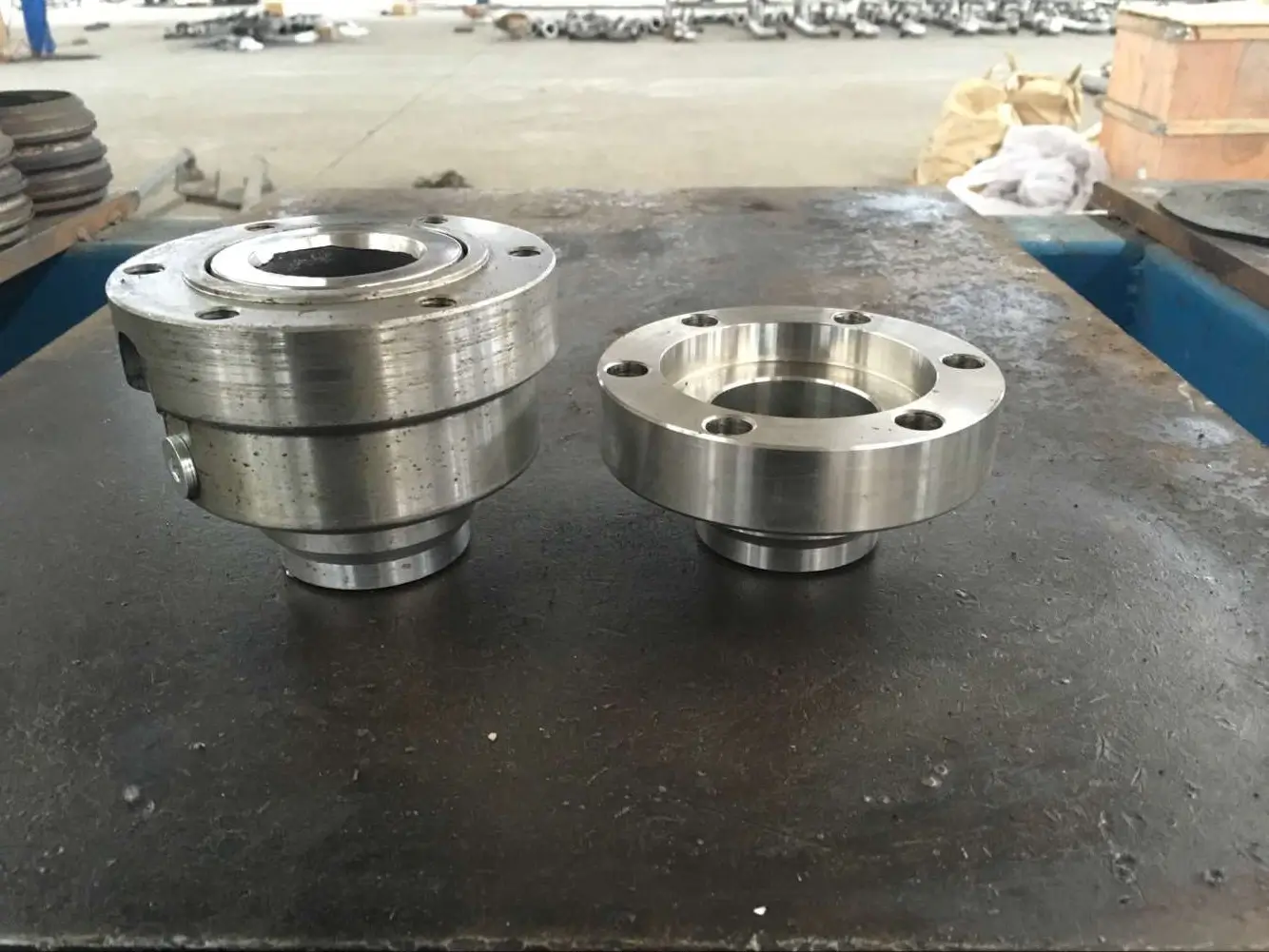
The buyer should also ask how the arm will be packed and identified. Heat-traced arms should not be mixed with ordinary arms or other route components during receiving. Package labels should match the route name, model reference and project drawing where available.
Photos can help, but a heat-traced replacement needs route evidence, medium condition and scope boundary. The manufacturer should ask for old drawings, project records or operation notes. If only photos are available, the manufacturer should state what remains uncertain before confirming fabrication.
| Heat traced arm question | Manufacturer should confirm | Buyer value |
|---|---|---|
| Why heat tracing? | Medium behavior and project requirement. | Prevents generic selection |
| Where is the route? | Arm position, parking and access. | Supports layout fit |
| What is included? | Heating, insulation and local boundary. | Clarifies scope |
| How is it recorded? | Model, route, accessories and package marks. | Supports future service |
The manufacturer should use cautious language when data is incomplete. If temperature, medium behavior, local power or control details are not confirmed, the file should show those points as pending. This protects the buyer from treating preliminary assumptions as final commitments.
For existing sites, the manufacturer should ask what old equipment remains and what changes. If the buyer adds heat tracing to a route that was previously ordinary, the review may need more than a direct replacement. Operator access, accessories, local electrical work and package boundary may all need attention.
The final record should help maintenance identify the heated route without guessing. It should include model, medium, route, heating boundary, accessory scope and package marks. This becomes important when similar arms exist at the same facility.
Heat tracing should not be reviewed only on the arm tube. The manufacturer should ask where the route starts, how it parks, what accessories are near the connection point and what local work supports the heated route. A buyer may need to coordinate electrical work, insulation boundary and operation notes with the arm package.
If the heat-traced arm is part of a chemical route, the manufacturer should also ask whether other arms or skids share the same loading bay. Buyers can compare the heat-traced request with Yuanda’s loading arm manufacturer guide when deciding whether the route needs a broader loading arm review.
The heating boundary should not be hidden in a separate note that maintenance cannot find. It should appear with the arm model, medium, route, accessory scope and package mark. This helps future teams identify what belongs to the manufacturer supply and what belongs to local integration.
Caps, seals, valves, drain pans or dry disconnect valves may still be part of the operating station. The manufacturer should ask whether they are included, separate or local. If accessories are supplied loose, they should be labeled by route so they are not mixed with ordinary arm parts.
For replacement work, the manufacturer should compare the old route with the new requirement. If the buyer is adding heat tracing where it did not exist before, the review should include local work and operator route. If the buyer is replacing a similar arm, the old record can guide the new order.
The manufacturer should also ask how the heated route will be inspected after installation. The owner may need to verify package boundary, route labels and supporting site work before commissioning. A clear handover file makes that easier.
When project data is incomplete, the manufacturer should keep open items visible. This avoids turning early discussion into final facts and helps the buyer provide missing information before production.
The heat-traced arm file should also explain how similar non-heated arms are separated in the loading area. A maintenance team should be able to identify which route is heated without opening old emails or guessing from external appearance. Package marks and route names help create that distinction.
For purchasing, the file should state whether heating-related components are part of the manufacturer package or local integration. This prevents the buyer from assuming that controls, wiring, insulation or site work are included when they are outside scope. Clear boundaries keep installation planning realistic.
A manufacturer should also ask whether the buyer has seasonal or process changes that affect the route. The manufacturer should not invent process data, but it should know whether the buyer sees the heat-traced route as a continuous operating requirement or a special condition. That helps organize the discussion.
If the arm ships with accessories, each accessory should be named by route. A cap or swivel for a heated route should not be mixed with ordinary spares. This is a small packaging detail with real maintenance value.
The final approval should confirm why heat tracing is needed, where the arm is used, what is supplied, what remains local and how the route will be identified later. Without those points, the purchase is not ready for long-term service.
The manufacturer should also help the buyer decide which information must be checked before repeat orders. Medium condition, route layout, heating boundary and local integration can change over time. A repeat order should not automatically copy the old file if the operating condition has changed.
For a contractor, the heat-traced arm record should be passed to the final owner with enough detail for maintenance. The owner needs to know what was supplied by the manufacturer, what was prepared locally and which accessories belong to the heated route. That handover protects the route after commissioning.
A stronger manufacturer will keep these boundaries visible from inquiry to shipment. This avoids turning a specialized arm into a vague item that future teams cannot service confidently.
The buyer should also ask how the manufacturer names the heated route on crates and documents. If the same route name appears in drawings, packing lists and maintenance records, the owner can identify the arm faster during later inspections or replacement discussions.
A strong manufacturer connects heat-traced arm supply with medium condition, route, access, heating boundary, accessories and future service records. Buyers can compare Yuanda’s land loading arms, loading arm accessories and the chemical loading arm manufacturer guide when preparing a temperature-sensitive request.
Before approving the order, the buyer should ask whether the file explains why heat tracing is needed and where the supply boundary ends. If yes, the manufacturer has prepared a useful technical record. If not, the route should be clarified before fabrication.
This keeps the heat-traced loading arm tied to real operating conditions instead of treating it as a special label on an ordinary route.
A manufacturer that asks for confirmed data before making final commitments is usually easier to trust on temperature-sensitive projects. It keeps the discussion grounded in the buyer’s actual process information.
The result is a clearer purchase, a cleaner installation handover and a better basis for later maintenance.
