

Get quote
Get Free Consultation!
We are ready to answer right now! free consultation.
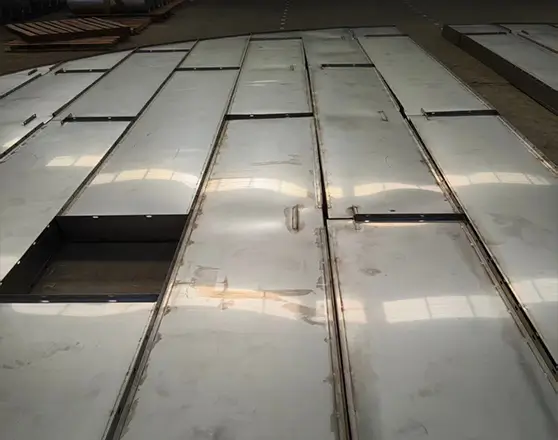
A buyer selecting an internal floating roof manufacturer is usually working on a storage tank project where vapor control, tank condition, roof structure, sealing route, installation access and future inspection records all matter. Yuanda Machinery’s internal floating roof range includes full-contact honeycomb internal floating roof, stainless steel internal floating roof, full-contact box-type internal floating roof, immersed internal floating roof and assembled internal floating roof options.
The first step is not choosing the most impressive roof name. The manufacturer should ask about tank diameter, stored medium, fixed roof condition, internal obstructions, operating level, installation access and whether the project is new construction or retrofit. A roof that suits one tank may create problems in another if tank condition is not reviewed.
Storage tank buyers should also confirm what is included in the order. Internal floating roof projects can involve roof modules, seals, supports, accessories, installation guidance, packing marks and inspection records. The manufacturer should identify site-prepared work instead of leaving it for the installation team to interpret.
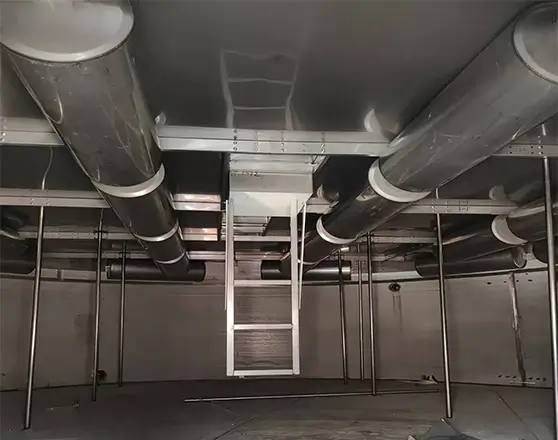
The tank condition shapes the roof decision. The manufacturer should ask whether the tank is new or existing, whether internal supports or nozzles affect the roof, how the roof will be installed and what operating range is expected. For retrofits, accurate tank information matters because field limitations can affect assembly and sealing.
The stored medium also affects the discussion. The buyer should not assume that every internal floating roof route is interchangeable. The manufacturer should connect roof material, structural form and sealing approach with the tank’s actual service. If the site cannot provide enough information, the manufacturer should mark the proposal as preliminary.
A full-contact honeycomb internal floating roof should be reviewed with tank size, module handling and assembly route. The buyer should ask how components enter the tank, how the roof is assembled, and what inspection record will identify the installed structure. The manufacturer’s packing and marking plan should support field assembly.
A stainless steel internal floating roof may be considered when the buyer needs a material route that fits the stored medium and inspection plan. The manufacturer should explain where stainless steel is used, how the roof is assembled and what records the buyer should keep for future maintenance.
Sealing and support decisions should be part of the manufacturer review. The buyer should ask what sealing route is included, how supports are handled, what accessories ship with the roof and which installation items are local. A roof order that does not define these boundaries can slow assembly and future inspection.
For retrofit tanks, the manufacturer should ask about manhole access, internal obstructions and cleaning condition before shipment. Components may need to pass through limited openings, and installation teams need to know what can be assembled inside the tank. A practical packing plan supports that work.
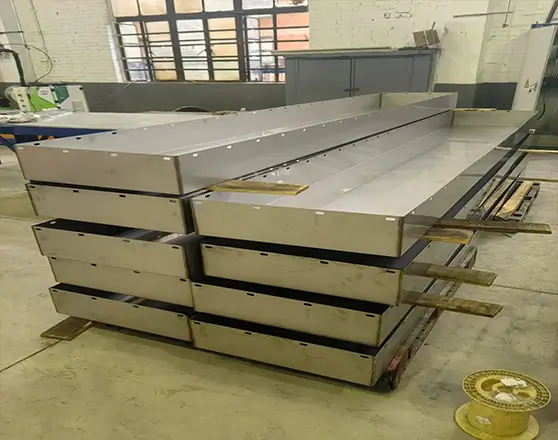
A full-contact box or box-type internal floating roof can involve many components. The manufacturer should mark packages by tank, drawing and assembly sequence where possible. If several tank roofs ship together, route-based labels prevent installers from mixing parts between tanks.
| Tank project question | Manufacturer should confirm | Why it matters |
|---|---|---|
| New tank or retrofit? | Access, internal obstructions and assembly route. | Roof can be installed realistically |
| Which roof family? | Honeycomb, stainless steel, box-type or assembled route. | Better fit for service |
| What seals and supports are included? | Sealing route, support scope and local work. | Clearer project boundary |
| How are parts marked? | Tank name, drawing and assembly references. | Easier installation and records |
The internal floating roof record should stay with the tank. It should identify roof family, tank name, stored medium, sealing route, support details, installation date from the buyer’s project record and spare part references where available. Future inspection teams need that information long after the purchase order is closed.
The buyer should also ask how replacement parts or seal-related service will be identified later. If the manufacturer records only a generic roof name, future communication becomes harder. A tank-specific record makes maintenance clearer, especially for sites with several tanks using different roof types.
Tank numbers or names should appear in drawings, packing lists and service notes. A refinery, depot or chemical storage site may install several internal floating roofs at once. If components are not tied to tank numbers, receiving and installation teams may spend time sorting parts that should have been labeled from the factory.
Buyers can review Yuanda’s internal floating roof category along with related tank equipment such as floating suction systems. For projects that also include loading equipment, the fluid transfer equipment supplier guide helps connect storage and transfer scope.
A strong manufacturer helps the buyer move from roof selection to installation and future service. It asks for tank information, explains roof family boundaries, identifies sealing and support scope, marks components clearly and prepares records that remain useful after installation.
Before approval, the buyer should ask whether the proposal can be checked by tank maintenance, installation and purchasing teams. Maintenance cares about future inspection, installation cares about assembly and access, and purchasing cares about scope. A proposal that serves all three groups is stronger than a short roof quotation.
If tank data is incomplete, the manufacturer should say so. Missing diameter, internal obstruction, access opening or service medium can change the roof route. A clear open-item list protects the buyer from approving a roof that still needs field verification.
The final manufacturer choice should therefore be based on tank-specific fit. The roof should match the tank, the sealing route should match the service, the packing should match installation, and the record should match future maintenance. That is what turns an internal floating roof order into a usable storage tank solution.
An internal floating roof buyer should also review how the roof relates to other tank equipment. Some tanks may include floating suction systems, mixers, samplers or loading connections that influence internal access and future maintenance. The roof manufacturer does not need to supply every tank item, but it should ask whether internal equipment may affect assembly or service. When the tank is treated as a complete working space, the buyer is less likely to discover conflicts after components arrive.
For procurement teams comparing roof types, Yuanda’s Full-Contact Honeycomb Internal Floating Roof, stainless steel internal floating roof and box-type internal floating roof should be discussed through tank service rather than appearance. The buyer should ask which route fits the stored medium, tank access, component handling and future inspection plan. A manufacturer that explains these differences helps the buyer defend the selection internally, especially when several tank roofs are being purchased in one project.
Retrofit projects deserve extra caution. An existing tank may have deformation, old internal parts, limited manhole access or field conditions that differ from drawings. The manufacturer should ask what has been verified and what still needs measurement. If the buyer cannot confirm a critical tank condition, the proposal should say so. That honesty prevents the buyer from approving a roof package that assumes a cleaner tank than the site can provide.
Installation sequencing should also appear in the project discussion. The buyer should know whether roof modules enter through existing openings, how components are identified, what support or seal items arrive loose and what local labor prepares before assembly. This is important for both domestic and export orders because the installation team may not be the same group that negotiated the purchase. Clear component marks and drawings bridge that gap.
For broader storage and transfer planning, the buyer can connect the internal floating roof decision with Yuanda’s fluid transfer equipment categories and fluid transfer equipment supplier guide. A tank project may later require loading arms, skids or floating suction equipment. Keeping tank records organized from the roof order helps future equipment decisions because the site already knows the tank structure and service assumptions.
A final internal floating roof order should leave the buyer with more than delivered components. It should leave a tank-specific file: roof family, seal route, support scope, tank number, component marks, installation boundary and future service references. That file helps the owner inspect, maintain and modify the tank without starting from memory. A manufacturer that prepares that record is more useful than one that only ships roof parts.
The buyer should also ask how the manufacturer handles component protection and storage before installation. Internal floating roof parts may arrive before the tank is ready, especially on larger storage projects. The packing list should help the site keep roof modules, seal items, support parts and fasteners organized by tank. If parts are stored temporarily, clear marks reduce the risk of mixing components or losing small items before assembly starts.
For multi-tank projects, the manufacturer should avoid treating all roofs as one combined package unless the buyer specifically wants that. Tank size, roof family, medium and installation access can differ across the same site. The order record should separate each tank so receiving teams, installers and maintenance staff know which components belong together. This is especially important when honeycomb, stainless steel and box-type roof routes are purchased in the same project.
A storage tank owner should ask whether the roof proposal includes enough information for future inspections. Inspection teams may need roof type, seal route, support arrangement, component drawings and manufacturer references. If the original order contains only commercial line items, future maintenance becomes harder. A manufacturer that builds an inspection-friendly file helps the owner manage the tank after the installation crew leaves.
Before approval, the buyer should ask the manufacturer to name any tank data that remains unverified. Access opening, internal obstruction, shell condition, service medium or operating level can all affect the internal floating roof route. Open questions should be resolved or clearly recorded before production. That discipline protects the buyer from approving a roof that depends on assumptions the site has not confirmed.
A buyer should also ask how the manufacturer handles changes after tank inspection. If cleaning or inspection reveals an obstruction, damaged support or access limitation, the roof route may need revision. The manufacturer should keep revised drawings and component lists tied to the tank number so old assumptions are not used during installation.
For distributors, internal floating roof supply should remain tank-specific. Selling only by roof name can miss diameter, access, seal and component handling details. Asking for tank data before quotation protects the distributor and gives the end user a stronger proposal.
The final approval should be understandable to the installation team. They should know which roof family is supplied, how components are marked, what seals and supports are included, and what local work must be ready before assembly starts.
That installation view should stay with the tank record after the roof is assembled. It helps future inspection teams understand what was installed and how the roof package was identified.
A manufacturer that prepares tank-specific records gives the owner a practical tool for long-term storage tank management, not only a set of parts for the first installation.
