

Get quote
Get Free Consultation!
We are ready to answer right now! free consultation.
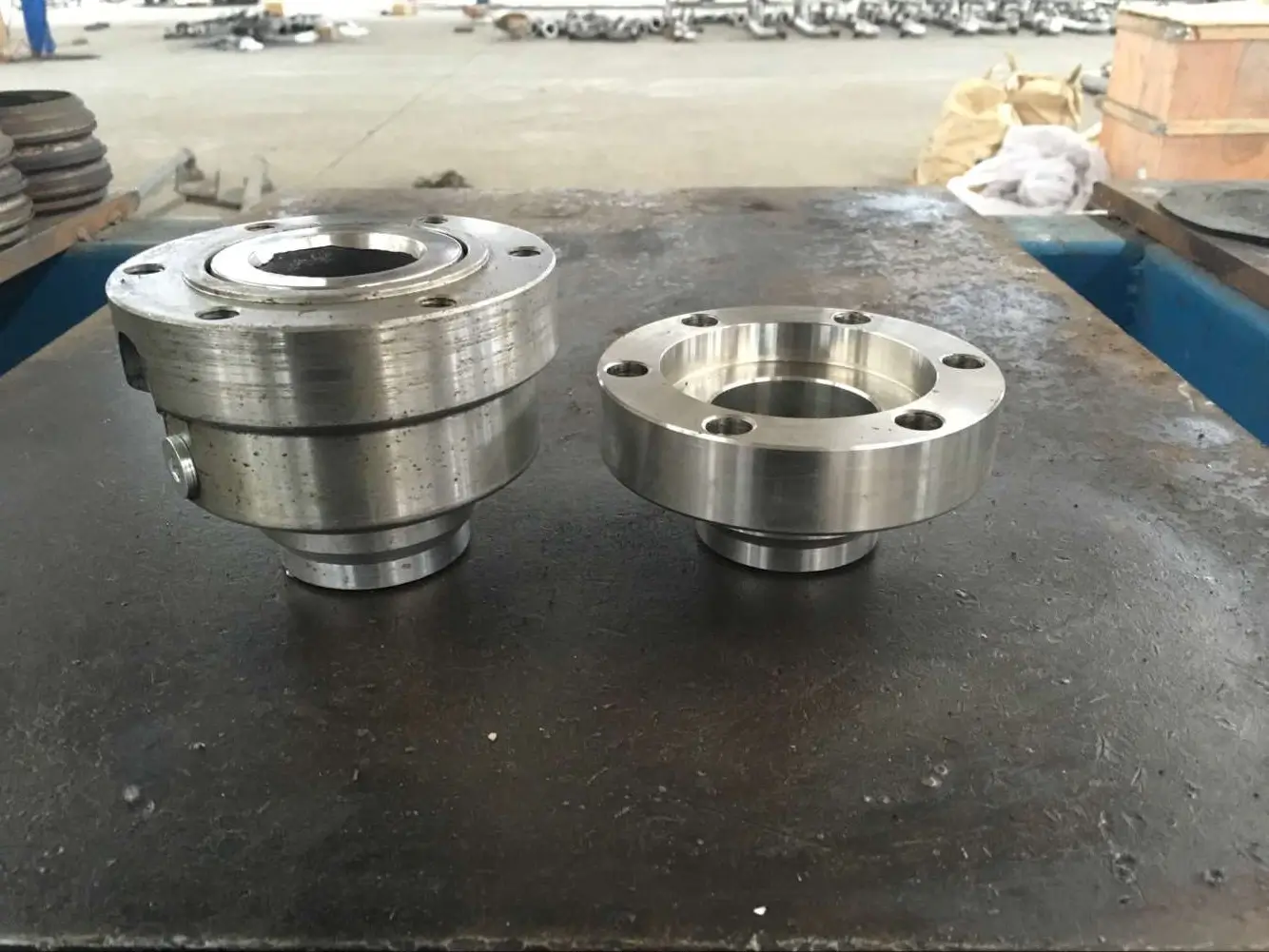
A buyer choosing a loading arm accessories manufacturer is usually trying to keep an existing loading route safe, serviceable and easy to identify. Accessories should not be purchased as loose catalog parts. They should be tied to a real arm family, medium, connection route and maintenance plan. Yuanda Machinery’s loading arm accessories include swivel joints, breakaway valves, sealing caps, sealing rings, dry disconnect valves, drain pans and hose-type breakaway valves, so buyers can discuss accessory scope from real product families instead of generic spare part names.
The first question is where the accessory sits in the transfer route. A swivel joint on an AL1512 top loading arm has a different job from a breakaway valve on a bottom loading route or a sealing cap used to protect a parked arm. Buyers should ask the manufacturer to connect each accessory with the arm model, medium, vehicle connection and operator sequence. If that connection is missing, the part may be correct in isolation but weak as part of the loading station.
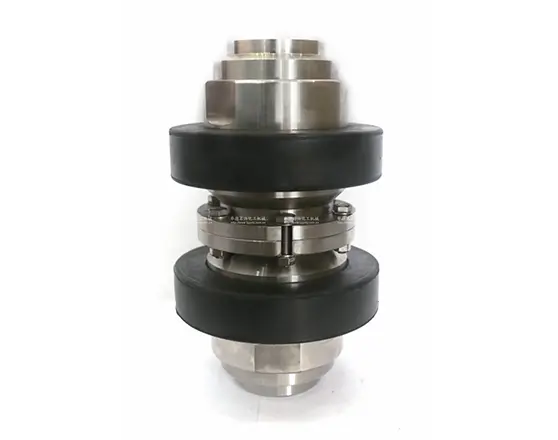
Accessory selection begins with the route: top loading, bottom loading, LPG service, liquid ammonia service, marine transfer or skid-mounted loading. The manufacturer should ask what equipment is already installed, which arm family is used, how the connection is made, and whether the accessory is for a new project or replacement. This route-first review helps the buyer avoid mixing parts that look similar but belong to different service conditions.
A distributor stocking spare parts should separate accessories by application rather than by shelf convenience. Swivel joints, seals, caps and breakaway devices may appear close in size, but the medium and arm movement can change the correct choice. If the distributor supplies several depots, the manufacturer should help label parts by service route, not only by product family.
A loading arm swivel joint should be reviewed with the movement range, medium and service expectation. The buyer should ask which swivel position the part serves, how the arm moves during connection, and whether future maintenance records identify that swivel clearly. A replacement request that says only swivel joint is too vague for a busy terminal or chemical plant.
A breakaway valve discussion should include the vehicle route, pulling risk, connection direction and whether the device is a loading arm breakaway valve or a hose-type ERC-RG route. The manufacturer should explain the accessory boundary in relation to the arm and the site. This protects buyers from treating breakaway protection as a simple add-on after layout approval.
A complete accessory order should name the arm family, medium, accessory list, route drawing and packing mark. This is especially important when a site buys AL1512 top loading arms, AL2404 bottom loading arms, AL2543 loading and unloading arms and accessory packages in the same project. Without route labels, installation teams may have to sort small parts under schedule pressure.
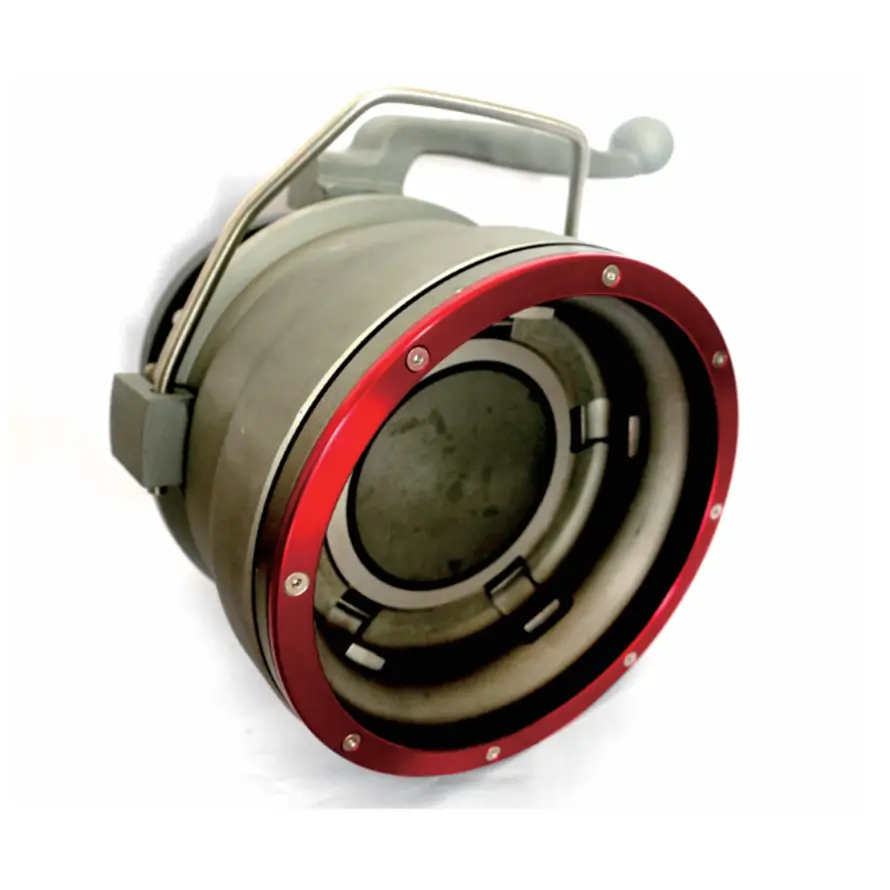
The service file should also separate included accessories from buyer-prepared items. A manufacturer may supply the swivel joint, sealing cap and breakaway valve, while local teams prepare supports, gaskets, bolts or site piping. The buyer should know those boundaries before shipment. Clear boundaries reduce field delays and make future replacement requests easier.
Sealing caps and sealing rings are easy to underestimate because they are smaller than the arm. In daily operation, they protect parked connections and help keep the station organized. The manufacturer should identify which cap or ring belongs to which arm, where it is stored, and how the operator uses it after disconnection. This is practical information, not decorative paperwork.
| Accessory question | Manufacturer should confirm | Buyer value |
|---|---|---|
| Which arm route uses the part? | Arm family, medium, connection position and route drawing. | Avoids wrong accessory selection |
| Is the part for new supply or replacement? | Existing model, old part record and site photos when available. | Better spare part accuracy |
| How will it ship? | Loose item mark, route label and package list. | Cleaner installation |
| How will service be tracked? | Drawing, medium, accessory history and order record. | Faster future maintenance |
Many spare part requests begin with photos because old records are missing. Photos are useful, but they should not be the only evidence. A loading arm accessories manufacturer should encourage buyers to keep route names, arm models, accessory titles and drawing references together. When a swivel, cap or dry disconnect valve needs replacement later, the conversation can start from the approved record.
For a chemical plant, this record may separate PTFE-lined or heat-traced arms from ordinary top loading routes. For a petroleum depot, it may separate top and bottom loading lanes. For a marine terminal, it may connect accessories with a dock arm or hose crane package. These distinctions help buyers avoid treating every accessory as interchangeable.
Distributors often handle repeat orders months or years after the first shipment. A route label on the original packing list helps them ask the manufacturer for the correct part. The label should connect the accessory with the arm family, medium and lane or berth. This does not need to be complicated, but it must be consistent enough for future purchasing staff to understand.
The best time to review accessories is before the loading station drawing is treated as final. At that stage, the buyer can still decide whether the operator needs a dry disconnect valve, a drain pan near the parked route, a sealing cap for each connection point, or a breakaway device tied to a vehicle movement path. If the accessory review waits until the equipment is already packed, the buyer may receive correct main arms but still need extra field work to make the station practical.
For a contractor working on several loading lanes, this early review also keeps civil, electrical and mechanical teams aligned. A drain pan needs a place in the layout. A sealing cap needs a parked position that operators can reach. A breakaway valve should be discussed with the route where movement risk exists. Buyers can compare accessory decisions against Yuanda’s project supply examples when checking how the equipment package will be handed over to site teams.
Skid-mounted loading projects can make accessory boundaries harder to see because several functions arrive as one package. The buyer should ask which accessories are mounted on the skid, which are shipped loose, and which remain part of local installation. If a skid package includes batch control, loading arms and small accessories, each item should still be traceable in the file. Yuanda’s skid-mounted loading system page is a useful reference point when buyers want the accessory package to match the assembled route.
A carton list tells the receiving team what arrived, but it does not always tell maintenance how to use the information later. A parts map should connect each swivel joint, cap, seal, drain pan or dry disconnect valve with its route. The map can be simple, but it should be clear enough for a maintenance team to reorder a part without asking the operator to take new photos. That is where an accessories manufacturer adds real value after delivery.
This matters most when a facility has a mixed product area. One lane may transfer petroleum products, another may handle chemical media, and another may be reserved for gas-related service. If all accessories are recorded only by size, future buyers may confuse parts from different routes. A manufacturer that records medium, arm family and accessory purpose helps the plant keep each route separate and easier to inspect.
The final purchase document should also name the accessory items in buyer language. Instead of writing only a technical part name, the file can say swivel joint for the AL1512 top arm route, sealing cap for parked connection, dry disconnect valve for cleaner disconnection, or breakaway valve for movement separation. These names help purchasing, operations and maintenance understand the same order without translating it again.
Before the order is released, the buyer should ask the manufacturer to check the accessory list against the operating sequence one last time. This catches small omissions that are hard to solve after delivery: a missing cap for a parked arm, a drain pan that was assumed local, a swivel record that lacks route position, or a breakaway valve that was described without movement notes.
That final review is especially useful when the supplier, contractor and plant owner are different teams. The manufacturer can keep the technical language consistent, while the buyer can confirm that the documents still make sense to the people who will install and maintain the route.
A strong manufacturer does more than sell small parts. It helps the buyer connect accessories with the loading arm, medium, operator route, delivery package and maintenance record. Buyers can compare Yuanda’s accessory range with the loading arm manufacturer specification guide and the fluid transfer equipment supplier guide when planning a wider transfer project.
Before approving an accessory order, the buyer should ask whether the part can be identified later by someone who did not attend the sales meeting. If the answer is yes, the manufacturer has prepared a useful route record. If the answer depends on memory, the order still needs clarification before it becomes a long-term service reference.
