

Get quote
Get Free Consultation!
We are ready to answer right now! free consultation.
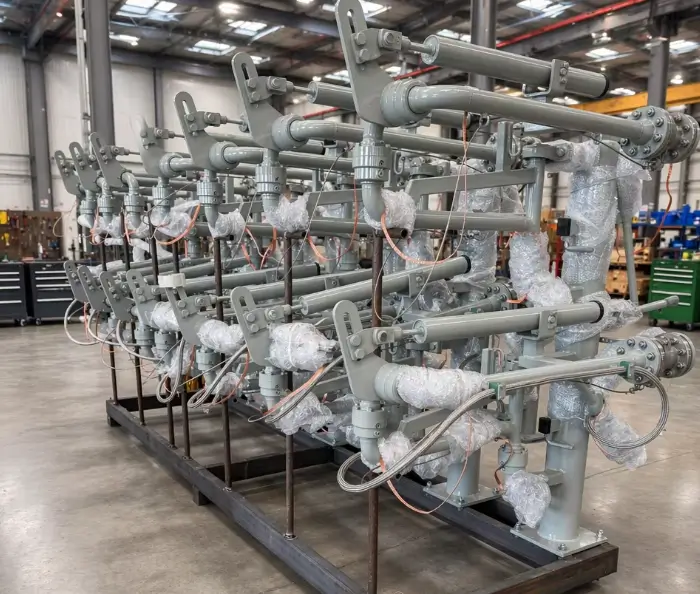
A buyer searching for a loading arm supplier is often trying to solve a layout problem, not only to buy a pipe assembly. The loading rack may already exist, the tanker fleet may not park the same way every day, and the medium may require sealed transfer, heating, vapor return or careful operator access. In that situation, the first supplier question should be practical: will the arm reach the connection safely, can it park without blocking the lane, and does the same order need accessories, folding stairs, platforms or a batch loading system? Yuanda Machinery gives buyers a useful starting range through land loading arms, marine loading arms, loading arm accessories and skid-mounted control equipment.
The supplier choice becomes more important when the site does not match a clean catalog drawing. A depot may need one top loading arm for a road tanker bay and a different bottom loading arm for a sealed connection. A chemical plant may need a PTFE-lined or heat-traced route. A marine terminal may need hydraulic operation and emergency release planning. A good supplier should slow the discussion down enough to identify these differences before the buyer approves a model name.
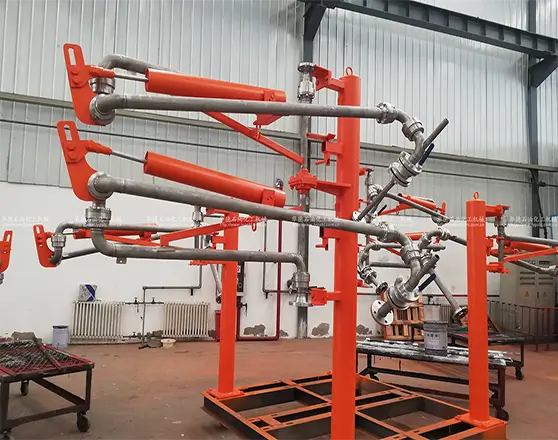
A reliable supplier starts with the loading position, vehicle type, medium, operating temperature, pressure, flow expectation and connection standard. For top loading, the buyer should confirm manhole position, platform height, drop pipe requirement and whether vapor return or sealed loading is needed. For bottom loading, the buyer should confirm adapter position, coupling route, lane width and whether several compartments may be loaded in the same operating window. Without this information, a quote can look complete while still leaving the installer to solve the real problem later.
Yuanda’s product range includes AL1512, AL1401, AL1402, AL1403, AL1412, AL1513, AL2404, AL2503 and AL2543 land loading arm families. The buyer should not treat those names as interchangeable. An AL1512 top loading and unloading arm answers a different site problem than an AL2404 bottom loading arm or an AL2543 bottom loading and unloading arm. A supplier that explains those boundaries helps purchasing teams avoid ordering a familiar name for the wrong rack geometry.
Top loading can be straightforward when a tanker parks accurately and the operator has a safe platform. It becomes more demanding when tankers vary, the product is volatile, or the site wants sealed loading. The supplier should ask whether the drop pipe needs to enter an open manhole, whether the operator needs folding stair access, and whether the parked arm will interfere with traffic around the loading island. These details decide whether a simple top loading route is enough or whether the buyer should include platform trestles and safety access equipment in the same supply discussion.
Bottom loading arms can reduce work at height and support sealed transfer, but they still need careful lane review. The supplier should ask how the tanker stops, where the adapter sits, whether the coupler can move through the working envelope, and whether multiple arms may cross each other during operation. Industry references often discuss bottom loading envelopes and vapor recovery arrangements, but the buyer still has to translate that general practice into the actual bay width, civil position and vehicle fleet used at the site.
A loading arm is rarely the only item that affects daily operation. Swivel joints, sealing caps, dry disconnect valves, breakaway valves, drain pans and couplers can decide whether the station is clean, safe and easy to maintain. Yuanda lists these parts under loading arm accessories, and buyers should ask the supplier to connect each accessory to the arm route and medium. A breakaway valve for a road tanker lane has a different purpose from a sealing cap used to keep a parked arm clean.
For a distributor, accessories also affect stocking. If the distributor sells arms into several depots, it should separate parts by service route: top loading, bottom loading, LPG, liquid ammonia, LNG, marine arm or chemical service. A supplier that labels accessory use clearly helps the distributor avoid mixing parts that look similar in a warehouse but belong to different sealing, temperature or operating conditions.
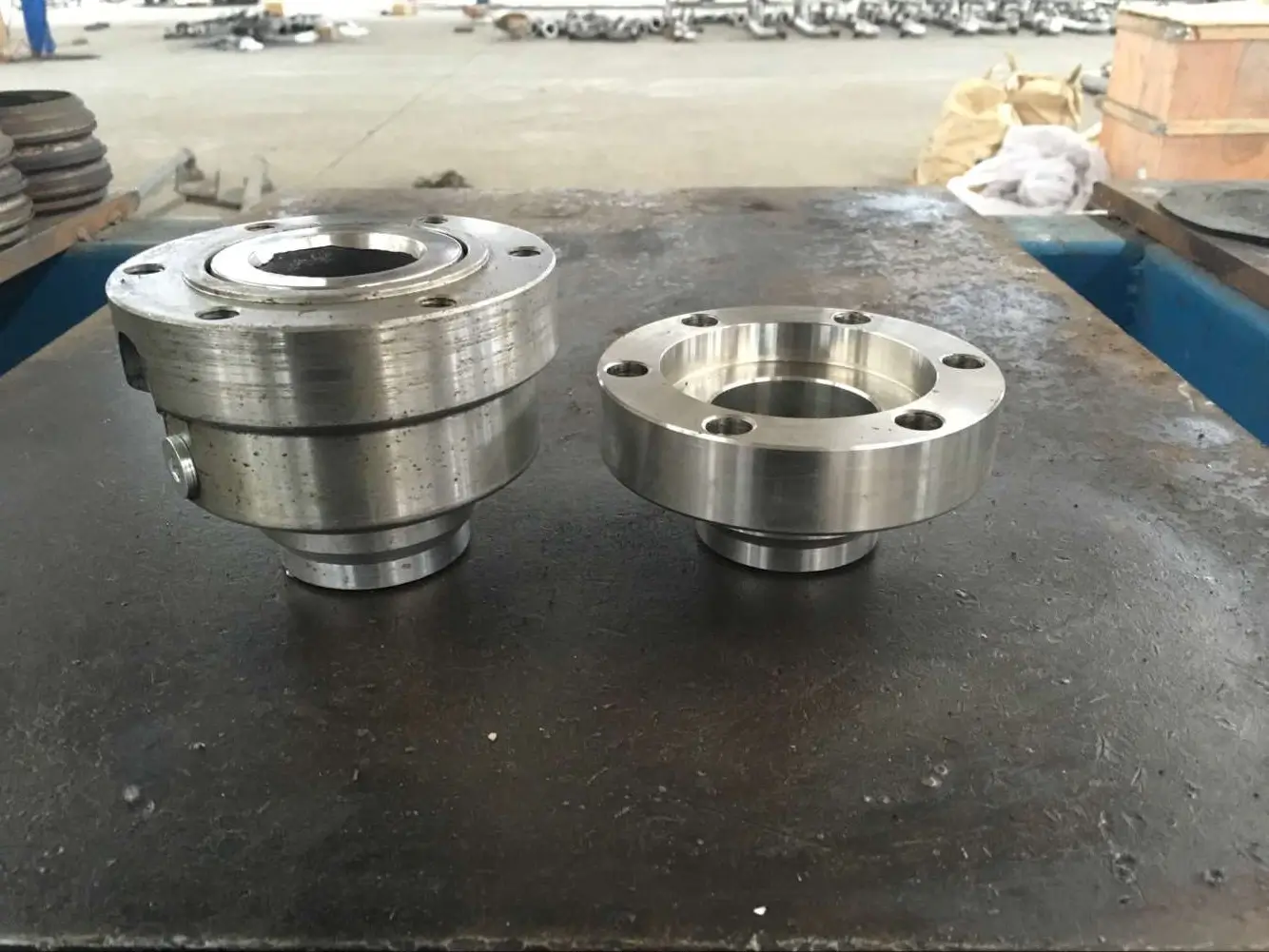
Many buyer files begin with pipe size because it is easy to write into a purchase request. The supplier should push the discussion further. The medium, temperature, corrosiveness, vapor condition and cleaning expectation are what make swivel and seal discussions meaningful. A chemical loading point may require different material thinking from a petroleum depot. A low-temperature transfer point should not be handled like an ambient oil bay. When the supplier asks these questions early, the buyer receives a more useful technical proposal.
| Supplier question | Why the buyer should answer it | Yuanda range to compare |
|---|---|---|
| Where is the vehicle connection during loading? | Reach, parking and operator movement depend on the real lane geometry. | Land Loading Arms |
| Is the transfer open, sealed, heated or lined? | The arm family, drop pipe, vapor return and material route may change. | AL1412, AL1402 heat-traced and PTFE-lined options |
| Will the rack need access equipment? | Folding stairs and trestles can be part of the same safe operation package. | Folding Stairs |
| Does the loading point need preset delivery? | A supplier may need to include batch controller or skid control discussion. | Batch Loading Control Systems |
Installation questions often appear after the purchase order, but they should be considered before it. A supplier should clarify whether the arm ships assembled or partly separated for transport, which components are loose, how the crates are marked, and which site items the buyer must prepare. Loading arms may be packed in sections for protection and handling, so the buyer should not assume every part will arrive as one finished rack. A clear delivery file reduces confusion when the equipment reaches a busy terminal site.
For an engineering contractor, this file should connect product names with the site drawing. If Lane 1 uses a top loading arm and Lane 2 uses a bottom loading arm, the crate marks, accessories and installation notes should follow the same lane logic. If the arm is paired with a folding stair or platform trestle, the installer should see that relationship before lifting begins. This is not extra paperwork for decoration; it prevents field teams from treating related items as separate loose shipments.
A clean supplier document states what the factory supplies and what the buyer prepares on site. The buyer may need foundation checks, support steel, bolts, gaskets, flange preparation, lifting equipment, electrical wiring or local installation labor. If the supplier leaves those boundaries vague, the project can lose time during unloading or installation. If the boundaries are written before production, both sides can solve missing details while the equipment is still being prepared.
This is particularly important for brownfield loading racks. The buyer may believe an old support or platform can be reused, while the supplier may assume new steel or a different parking bracket will be installed. If the old rack is not measured carefully, the new arm can arrive with the right product name but the wrong field position. A careful supplier should ask for site photos, connection elevations and available parking space before confirming that a replacement will fit the existing structure.
A supplier should also be willing to say when the buyer is asking for the wrong type of arm. If a customer requests top loading because the old rack used it, but the new operating goal is sealed transfer or reduced work at height, bottom loading may deserve review. If the buyer requests a bottom loading arm but still needs safe top access for sampling or hatch work, the supplier should raise the access question instead of pretending the arm solves the whole station.
For distributors, the same discipline prevents after-sales friction. A distributor may receive a request for a replacement loading arm from a customer who only sends a photo. The supplier can help by asking for the original arm family, medium, connection height, lane width, swivel route and accessory list. That makes the distributor look more professional and reduces the chance of selling a product that looks similar but does not match the customer’s loading rack.
A buyer can compare supplier quality by how well it handles these practical questions. For adjacent decision paths, review the loading arm manufacturer specification guide and the broader fluid loading equipment supplier guide. If the project includes marine transfer, skid control or storage-side equipment, the buyer should also compare Yuanda’s marine loading arms and skid-mounted loading systems before fixing the final supply scope.
The most useful supplier is not always the one that replies fastest with a price. It is the one that can explain why one arm family fits the rack, why another should be avoided, what accessories matter, and what information is still missing before production. Buyers should expect the supplier to ask for site drawings, vehicle data, medium conditions and installation boundaries. If the supplier does not ask, the buyer should ask the supplier to confirm those points in writing before approving the order.
That written confirmation should be practical enough for the operator, installer and purchasing team to understand. It should identify the arm family, service condition, connection route, accessory list, packing mark and field preparation items. It should also say which assumptions still depend on the buyer’s final drawing or site measurement. A supplier that can produce this record has already done more useful work than one that only sends a short commercial offer.
If the buyer is under schedule pressure, this record can be kept short, but it should not be skipped. A one-page responsibility note can prevent weeks of argument after delivery. It can say which dimensions came from the buyer, which equipment family the supplier selected, which accessory package belongs to the lane and which site conditions must be checked before installation begins.
That is also the point where the buyer can decide whether to keep the order narrow or expand it. If access, skid control or terminal accessories are not part of the current purchase, the record should still mention that they were reviewed and left outside the scope. This prevents the installer from assuming that a missing item was accidentally omitted.
For repeat buyers, the same discipline becomes a purchasing advantage. The next loading rack, depot expansion or spare part order can refer back to a clear record of arm family, service condition, accessory route and site responsibility. That record helps the buyer avoid reordering from memory or from product photos, which is especially risky when several arms look similar but serve different media and loading positions.
If the supplier can keep that record consistent across quotations, drawings and packing notes, the buyer gains a practical operating file rather than just a purchase receipt.
That file also gives the buyer a fair way to compare later suppliers. If another offer ignores the same rack data, accessory route or site responsibility, the buyer can see the difference before price becomes the only deciding factor.
