

Get quote
Get Free Consultation!
We are ready to answer right now! free consultation.
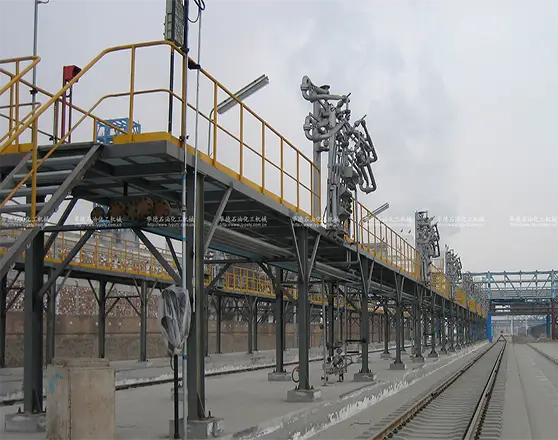
A buyer evaluating a loading platform manufacturer is usually trying to create safer and more efficient access around truck, railcar or loading arm operations. The platform should be reviewed with the loading arm position, operator route, folding stair access, vehicle connection and project boundary. Yuanda Machinery lists platforms and trestles in its platform and trestle products range, alongside folding stairs and loading equipment in the wider product category page.
The manufacturer should not begin with platform size alone. It should first ask what operators need to do from the platform: reach a top loading point, inspect a connection, operate equipment, cross between lanes or support a loading arm route. The platform is part of an access system, not only a steel structure.
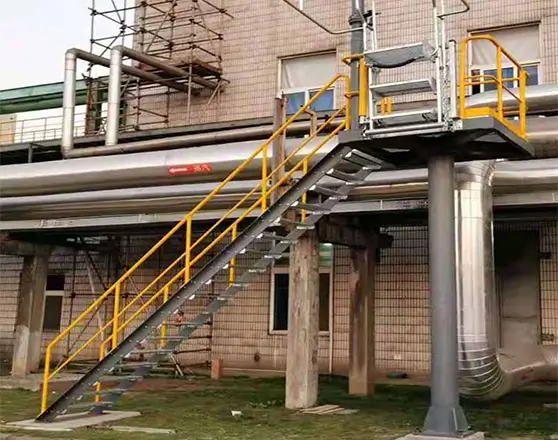
Operator movement decides whether the platform will be practical. The manufacturer should ask where the operator starts, where the operator stands, how the operator reaches the vehicle or loading point, and whether a folding stair or safety cage is needed. If the movement route is unclear, the platform may be strong but awkward to use.
A truck loading bay may need access to a top manhole and enough room for a top loading arm. A rail loading platform may need longer access and clearer lane separation. A skid-mounted loading island may require a compact platform route around control equipment. These differences should appear in the review before fabrication.
Yuanda’s land loading arm range includes AL1512, AL1401, AL1402 and other top loading arms. If the platform supports a top loading route, the manufacturer should ask how the arm moves and where the operator stands. The platform height and working position should support the arm route, not fight against it.
Folding stairs are often used to bridge between platform and vehicle top. The manufacturer should ask whether the stair is pneumatic, widened, side-mounted, top-mounted or another route type shown in the product range. The stair should not be selected after the platform is fixed if it affects operator movement and safety access.
The manufacturer should state what is included in the platform package and what remains local work. Steel structure, handrails, grating, stair interface, supports, installation work and civil foundations may have different responsibilities depending on the contract. A buyer should not assume that every surrounding structure is included unless the manufacturer writes it clearly.
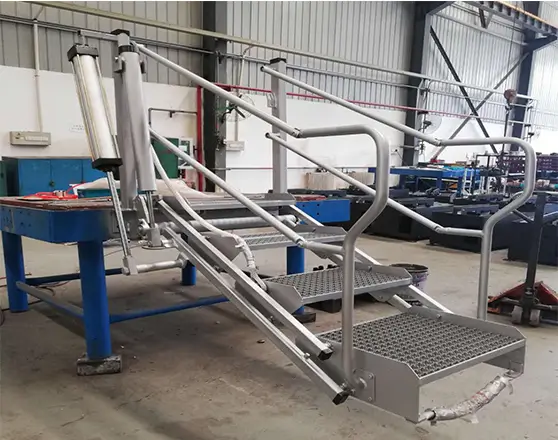
When the platform is part of a complete loading station, the package may also interact with loading arms, batch control skids and access trestles. Buyers can compare platform requirements with Yuanda’s land loading arms and skid-mounted loading systems when planning the whole loading route.
The buyer should ask for a drawing or route note that shows loading arm positions, folding stair locations and operator movement. Dimensions alone do not explain how the platform will be used. A practical drawing helps operations, maintenance and installation teams understand the access plan.
| Platform review point | Manufacturer should confirm | Buyer value |
|---|---|---|
| Operator route | Start point, standing point and vehicle access. | Platform supports real work |
| Equipment interface | Loading arms, folding stairs and skid equipment. | Avoids layout conflict |
| Supply boundary | Steelwork, handrails, grating and local works. | Cleaner contract scope |
| Handover record | Drawing, package marks and maintenance notes. | Supports future service |
The project file should connect platform sections with the loading route. If the shipment includes steel structure, trestle sections, folding stairs and loading arm components, the package marks should make installation sequence clear. Field teams should not have to infer which platform section belongs to which lane.
Inspection records should also be considered. The owner may need to inspect grating, handrails, stair interfaces and support points after installation. A manufacturer that records these sections clearly makes maintenance easier. This is practical value beyond fabrication.
A retrofit platform may need to fit around existing pipe racks, loading arms, skids or vehicle routes. The manufacturer should ask what cannot move. If the buyer cannot provide complete drawings, site photos and measurements become important evidence. The manufacturer should mark uncertain areas rather than hiding assumptions.
Operations, installation and maintenance teams use platform information differently. Operations needs to know where people stand and how they reach the vehicle or arm. Installation needs section marks and support boundaries. Maintenance needs inspection points and future replacement references. A manufacturer that writes the access file for all three teams gives the buyer more value than a drawing alone.
The access file should identify platform sections, stair interfaces, handrail openings, loading arm positions and local work boundaries. If the platform is part of a multi-lane loading bay, each lane should be named consistently. If a trestle connects several bays, the section labels should follow the route used on the drawings and packing list.
Vehicle position affects stair landing, operator reach and arm movement. If the buyer has not confirmed vehicle approach or stopping location, the manufacturer should mark that information as pending. This prevents a platform from being fabricated around assumptions that field teams later need to correct.
A platform may look correct on a static layout but still be awkward during the loading sequence. The manufacturer should ask what the operator does first, where the arm moves, where the stair lands and how the operator leaves the area. This sequence helps the platform support real work rather than only fit a drawing.
For projects involving batch control skids, the platform may also need to keep operators clear of cabinets, pipelines or vehicle paths. The manufacturer should ask whether the loading bay uses a top loading skid, bottom loading skid or other integrated system. This connects access design with the actual loading package.
When platform sections ship, labels should match installation order. A project site should not need to sort structural sections by trial and error. Clear marks reduce field delays, especially when loading arms and folding stairs arrive in the same project window.
The final platform record should be concise but complete: route, height, standing area, stair interface, equipment nearby, supplied sections and local responsibilities. That record helps the buyer approve the design and maintain it later.
The manufacturer should also consider how the platform will be used during inspection. Operators may focus on daily loading, but maintenance staff may need to check bolts, grating, guardrails, stair pivots or support interfaces. If the design makes inspection difficult, the owner may face avoidable service problems later.
For loading bays that handle multiple media or vehicle types, the manufacturer should ask whether the same platform route serves every operation. A route that works for one vehicle height or loading arm position may not work for another. The buyer should describe any differences before the platform is fabricated.
The platform record should also help future upgrades. If the owner later adds a batch loading skid, changes a loading arm or replaces a folding stair, the old platform file should show which section or interface is affected. That makes future decisions faster and more accurate.
A manufacturer that supports this record discipline is more useful to project buyers because the platform stays connected to real operation, not only to steel fabrication.
Before shipment, the buyer should compare the drawing, package list and route names. If they do not match, the issue should be fixed before steel sections arrive on site.
A loading platform manufacturer should also ask how the owner will train operators to use the access route. The manufacturer does not need to write the owner’s procedure, but the equipment file should show the intended route clearly enough for the owner to build practical instructions.
If the platform supports more than one loading arm, the record should separate each arm position. Shared platforms can become confusing when operators move between arms, folding stairs and vehicle positions. Section names and arm references help keep the route understandable.
For future maintenance, the platform file should identify replaceable or inspectable areas. Grating panels, handrail sections and stair interfaces may be discussed years after installation. A clear original record helps the owner ask precise service questions.
The manufacturer should also confirm whether platform access is used during normal loading, maintenance shutdowns or both. That distinction helps the buyer decide how detailed the operator route and maintenance notes should be.
It keeps the platform file useful after installation.
A strong manufacturer connects platform design with operator movement, loading arms, folding stairs, trestles, site boundary and future records. Buyers can compare Yuanda’s platform and trestle range, project delivery examples and the loading arm manufacturer guide when preparing a complete access request.
Before approving the order, the buyer should ask whether the access route can be understood by a new operations team. If the platform height, standing position, stair interface and loading arm route are clear, the manufacturer has prepared a useful project record. If not, the platform discussion needs more detail before fabrication.
This check is especially useful when the platform is part of a larger loading station, because access problems are harder to fix after steelwork is fabricated and installed.
