

Get quote
Get Free Consultation!
We are ready to answer right now! free consultation.
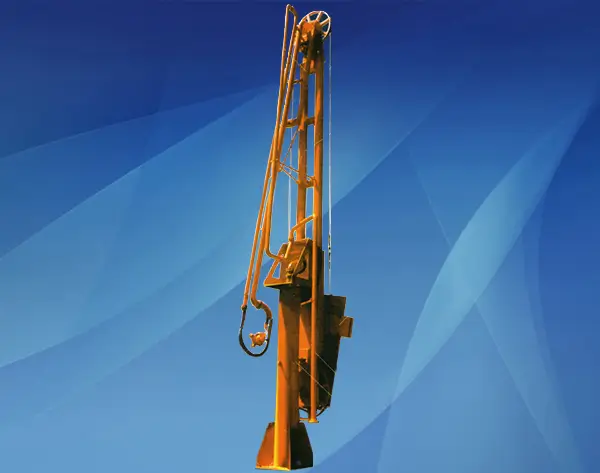
A buyer looking for a marine loading arm supplier is usually planning a berth operation where ship movement, manifold height, dock structure and terminal accessories all influence the purchase. The supplier should not begin with pipe size alone. It should ask what vessels use the berth, what medium is transferred, whether operation is manual or hydraulic, whether emergency release is needed, and whether gangways, hose cranes, mooring hooks or vapor recovery equipment share the same dock space. Yuanda Machinery’s marine loading arm range and marine terminal equipment give buyers a real product base for that review.
Marine transfer equipment sits at a moving interface. The ship is not fixed like a truck bay, and the dock may have several pieces of equipment competing for the same space. A marine loading arm supplier should therefore help the buyer map the working envelope, the parked envelope and the maintenance envelope. If the supplier only quotes an arm from a product photo, the buyer may later discover that the dock accessory layout, parking direction or service access was never checked.
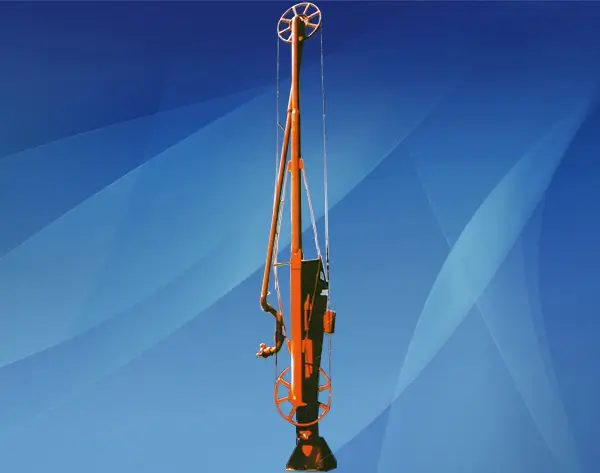
Operation mode should follow the berth condition. Manual marine arms can be suitable where movement is manageable and the operator sequence is clear. Hydraulic or electro-hydraulic arms may be more suitable where the arm is larger, the operating envelope is demanding, or the terminal needs more controlled movement. The supplier should ask for vessel range, manifold height, tidal or draft variation, dock elevation and parking location before recommending the arm route.
The buyer should also ask how the arm is handled between vessel calls. A parked marine arm still occupies berth space and may affect gangway use, hose handling, maintenance access or vehicle movement on the dock. A supplier that reviews only the connected position gives the buyer an incomplete picture. The final drawing should help the terminal team understand where the arm rests, how it is inspected, and how nearby dock equipment works around it.
Manual marine loading arms such as AM62, AM63M or AM64 should be reviewed through the operator’s normal movement. The buyer should ask where the operator stands, how the arm is moved, whether the connection is comfortable, and how the arm returns to park. Manual equipment can still be a professional solution when the berth conditions fit it, but the operator sequence must be written clearly enough for the terminal team to use.
Hydraulic arms such as AM62H, AM63H or AM64H introduce control, power and maintenance questions. The supplier should clarify control location, operator visibility, hydraulic service access and what the buyer must prepare on site. If the project requires emergency release, the supplier should explain how the selected marine arm family connects with the terminal response plan. These decisions should appear before shipment, not as informal discussion during installation.
A marine loading arm supplier may also need to coordinate with marine gangways, quick release mooring hooks, hose cranes and vapor recovery devices. These items are not always part of the same purchase, but they can share the same berth space. A gangway can affect where the operator moves, a hose crane can affect lifting and storage, and a mooring hook arrangement can affect berth workflow. The supplier should ask what other equipment is present or planned before the arm layout is frozen.
For a terminal owner, this coordination matters because different contractors may handle different dock packages. If the arm supplier, gangway supplier and civil contractor work from separate assumptions, the dock can become difficult to operate. A clear berth-level file should show the arm, accessories, operator routes and site-prepared work together, even when not every item is supplied by the same company.
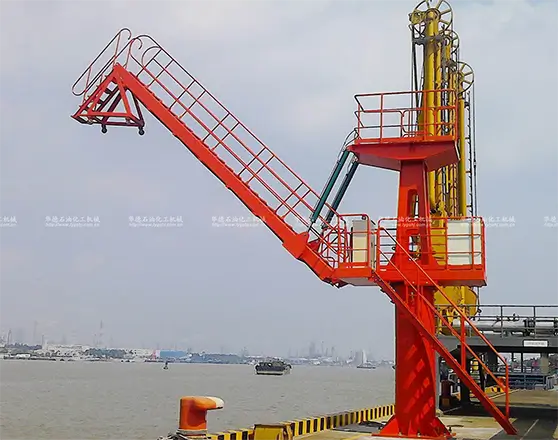
Gangways and hose cranes may seem separate from the loading arm, but they often occupy the same dock-side operating zone. The supplier should check whether the parked arm blocks gangway access, whether the crane movement affects arm service, and whether maintenance teams can reach the arm safely when the berth is not in use. A buyer who ignores these interfaces may receive correct equipment that is inconvenient to operate together.
| Berth question | Supplier should check | Buyer benefit |
|---|---|---|
| Which vessels use the berth? | Manifold height, movement range and connection envelope. | Arm route follows real berth conditions |
| Manual or hydraulic operation? | Operator sequence, controls and service access. | Daily use matches terminal capability |
| Which dock accessories share space? | Gangway, hose crane, mooring hook and vapor device positions. | Fewer layout conflicts |
| How will the arm ship? | Assembled parts, loose accessories, lifting and site work. | Cleaner installation handoff |
Marine loading arms can arrive as large assemblies with separate accessories, control components or installation items. The supplier should identify what ships assembled, what ships loose, what lifting equipment may be needed, and what the dock contractor prepares locally. Crate marks should match berth names or arm numbers used on the project drawings. This prevents site teams from sorting marine equipment by guesswork when several dock packages arrive together.
The same delivery file should support later maintenance. Seal routes, swivel families, hydraulic service points, emergency release components and accessory packages should be tied to the berth and arm family. If the terminal later asks for a replacement part, the supplier should be able to identify the part from the original arm record, not from a cropped phone photo taken during a shutdown.
A berth-level service record should include vessel range, medium, arm family, control route, accessory list, packing marks and site-prepared work. This is useful for purchasing, operations and maintenance. Purchasing can compare future offers, operations can see why the arm was selected, and maintenance can identify which service items belong to the berth. A marine loading arm supplier that helps build this record supports the terminal beyond the first shipment.
For buyer comparison, read the marine loading arm manufacturer guide and Yuanda’s marine terminal equipment range. If the berth is part of a wider transfer package, the fluid transfer equipment supplier guide can help define whether the order should include skids, dock accessories or other terminal equipment.
The right supplier does not make every berth simple. It makes the important assumptions visible: vessel range, medium, operating envelope, operation mode, emergency release expectation, dock accessories, delivery form and site work. If those assumptions are documented before production, the buyer has a better chance of receiving equipment that fits the berth and can be serviced later.
Before approving a marine loading arm order, the buyer should ask the supplier to name unresolved data. If vessel information, medium conditions, accessory positions or local installation work are still unclear, the quote should remain a technical discussion. That discipline is what turns a marine arm purchase into a dockside transfer solution.
For terminals planning future berth upgrades, the supplier’s record becomes a useful reference. The next berth may repeat the same arm family or require a different operation route, but the decision can start from documented vessel and dock conditions rather than from memory.
A marine terminal buyer should also ask how the supplier handles partial scope. Sometimes the buyer only wants the arm, while another contractor supplies the gangway or mooring equipment. That is acceptable when the boundary is written clearly. The supplier should state which interfaces were reviewed and which remain outside the current order. This prevents a later argument about whether a dock accessory conflict was part of the arm supplier’s responsibility.
For a berth with several products, the supplier should help the buyer separate medium assumptions by arm or line. A petroleum route, chemical route and vapor recovery route may share the same dock area but require different handling notes. The buyer should not let the berth name hide those product differences. The service record should identify the medium behind each arm so future maintenance requests do not become vague.
The supplier should also describe what the terminal team should inspect before first use. This can include parked position, visible service points, accessory placement, connection envelope and any control or hydraulic preparation. The manufacturer may not be responsible for every local installation action, but it can still provide a clear equipment-side checklist that helps the buyer receive the shipment intelligently.
A distributor selling marine loading arms should avoid quoting from a single dock photo. The supplier can help by asking for vessel range, berth layout, medium, operation mode and dock accessory information before model selection. That protects the distributor from selling an arm that looks right but cannot fit the berth envelope or service plan.
If the berth will be modified later, the buyer should record which assumptions belong to the current order. A future gangway, hose crane or mooring hook can change the usable space around the arm. Keeping the original arm envelope and accessory notes makes it easier to judge whether the future modification requires a new manufacturer review.
The final marine loading arm supplier comparison should therefore look beyond price. Buyers should compare whether the supplier asked for vessel data, considered dock accessories, explained operation mode, named site responsibilities and prepared a service record. Those checks show whether the supplier understands berth operation as a real working environment.
A buyer should also ask how the supplier handles training information. The manufacturer may not train every operator directly, but the documents should make normal movement, parked condition, service points and accessory boundaries understandable. When a terminal brings new operators into the berth team, the equipment record helps them learn the arm as part of the dock, not as a mysterious machine beside the vessel.
For maintenance planning, the supplier should separate routine inspection from special service. A visual check around the parked arm, swivel area and accessory package may be routine, while hydraulic, emergency release or special medium questions may need more careful support. The buyer should know which topics belong to its daily team and which topics should return to the supplier for confirmation.
If the berth handles seasonal or occasional vessels, the supplier should identify whether those vessels were included in the reviewed envelope. A terminal may handle one vessel size most of the year and a different vessel occasionally. The buyer should not assume that occasional service is covered unless the manufacturer reviewed it.
The final approval should include a practical drawing set and a plain-language scope note. The drawing shows the arm and berth; the scope note explains what the drawing means for operation, packing and maintenance. Together they make the supplier’s proposal easier for a real terminal team to use.
Before releasing the order, the buyer should ask how spare parts will be named in future communication. A berth may use AM62, AM64 or an electro-hydraulic marine arm family, and accessories can be stored separately. If the supplier records the arm family, berth name, medium and accessory package together, later service requests become much clearer.
The receiving team should also know what a complete marine loading arm delivery looks like. Large assemblies, control items and dock accessories may not arrive in one shape. A supplier that prepares route-based labels and a practical packing list helps the terminal confirm the shipment before installation work begins.
