

Get quote
Get Free Consultation!
We are ready to answer right now! free consultation.
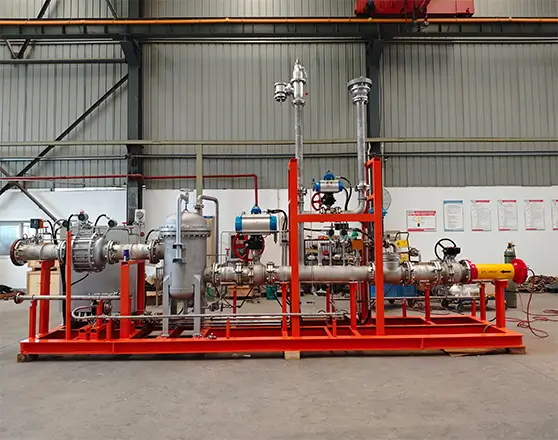
A ship to shore loading arm manufacturer should help a marine terminal buyer connect vessel movement, shore piping, dock equipment and operating safety into one reviewed transfer point. The buyer is not only selecting an arm. It is approving the interface between a moving vessel and a fixed terminal. Yuanda Machinery’s marine loading arm products and marine terminal equipment give buyers a relevant product base that includes manual arms, electro-hydraulic arms, gangways, quick release mooring hooks, hose cranes and ship-shore safety devices.
Ship to shore transfer differs from land loading because the vessel’s position changes during operation. Draft, tide, loading condition, wind and berth practice can all affect the arm envelope. A manufacturer should ask for vessel range, manifold height, movement assumptions, dock elevation, pipe route, parking direction and emergency response expectations. Without this information, a quote may describe a marine arm but not a working ship to shore transfer point.
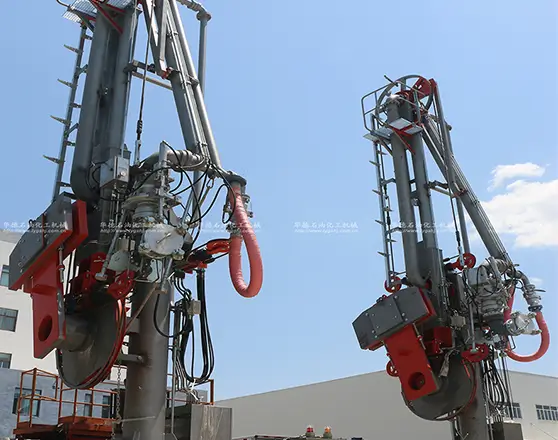
The vessel envelope should define the arm, not the other way around. The manufacturer should ask what vessels will use the berth, what manifold heights are expected, whether one berth handles several vessel sizes, and what movement range should be considered normal. A buyer should not approve the arm only from one ideal vessel condition. The reviewed envelope should cover the real operating range that the terminal expects to handle.
The shore side matters as well. Existing pipe routes, dock width, foundations, gangway positions and service access can limit where the arm can park and how it can be maintained. A manufacturer should ask what is fixed and what can change. This is especially important for berth upgrades where the terminal wants new transfer equipment but cannot easily rebuild the dock.
Manual marine arms can fit some ship to shore transfer points, but the buyer should review the complete operating sequence. Who moves the arm, where do they stand, how is the connection made, and how does the arm return to park? If the sequence is not comfortable and repeatable, manual operation may create daily strain. The manufacturer should document the sequence before the buyer treats manual operation as the default route.
Hydraulic or electro-hydraulic ship to shore arms require clear control and service planning. The buyer should ask where controls are located, how operators monitor movement, what power or hydraulic preparation is required, and how maintenance teams reach the service points. A hydraulic arm can improve operation, but it needs a more complete handoff file than a simple product order.
Emergency release planning belongs early in the manufacturer review. If vessel movement, medium risk or terminal procedure requires emergency disconnection, the arm family and control boundary may change. The buyer should ask how emergency release expectations are handled and what site responsibilities remain outside the factory supply. This keeps the safety discussion inside the equipment decision rather than adding it after layout approval.
Yuanda’s dock vapor recovery ship-shore safety device, marine gangways, quick release mooring hooks and hose cranes show that ship to shore projects can involve several terminal equipment families. The buyer should map these items around the same berth. A mooring hook route, gangway position or hose crane movement can affect the loading arm’s working and parked envelope.
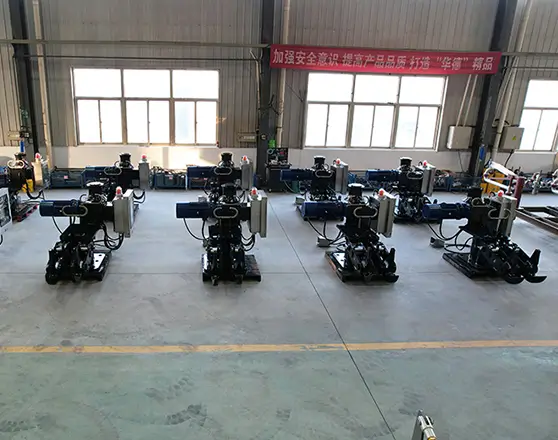
A ship to shore loading arm manufacturer should ask what dock accessories are already installed and what will be added. If the arm parks where a gangway must move, or if a hose crane occupies the same maintenance zone, the berth becomes difficult to operate. The buyer should review the berth as a whole layout rather than approving each item independently.
| Ship to shore decision | Manufacturer should verify | Project risk reduced |
|---|---|---|
| Vessel range | Manifold height, movement and berth conditions. | Arm envelope based on real operation |
| Operation mode | Manual or hydraulic sequence, controls and service points. | Better daily handling |
| Emergency planning | Release expectation, control boundary and terminal response. | Safety assumptions documented early |
| Dock equipment interface | Gangway, mooring hook, hose crane and vapor device positions. | Fewer berth conflicts |
A ship to shore arm may arrive with large assemblies, loose accessories, control components, anchor interfaces and lifting requirements. The manufacturer should state what is included, what is prepared locally, and what sequence the contractor should expect. If the dock team receives several crates without berth-level labeling, installation can slow down while the team matches components to drawings.
The delivery file should also identify maintenance references. Marine arms can require future attention to seals, swivels, hydraulic elements, control components and emergency release items. The buyer should know which parts belong to the approved arm family and berth condition. This helps avoid vague spare part orders after the terminal begins operation.
Terminals often identify equipment by berth name rather than product model. The manufacturer should connect the berth name with the arm family, vessel envelope, medium, accessory package and drawing reference. This makes future service easier and helps new personnel understand why the arm was selected. The record should stay with the berth after commissioning, not disappear into a purchasing folder.
For internal comparison, buyers can start with the marine loading arm manufacturer guide and Yuanda’s marine terminal equipment range. If a project includes wider terminal transfer equipment, the fluid transfer equipment supplier guide can help define which interfaces belong in one supply package.
The best manufacturer review gives the buyer a berth-level decision file: vessel range, medium, operation mode, arm family, emergency planning, dock accessory positions, delivery form, lifting notes and future service references. That file helps purchasing compare offers, engineering review interfaces, contractors install equipment and operators understand the transfer point.
Before the buyer approves production, unresolved assumptions should be named clearly. If vessel range, dock accessory position, emergency release expectation or local installation work is uncertain, the order should remain open for technical review. A manufacturer that makes these uncertainties visible gives the buyer a more reliable ship to shore transfer project.
The same file protects future upgrades. If the berth later adds a new vessel type or dock accessory, the terminal can compare the change against the original approved envelope instead of assuming the existing arm can cover the new condition.
A ship to shore project should also define what happens when the vessel is not present. The dock still needs parking space, inspection access, cleaning space and safe movement for personnel. A manufacturer that reviews only the connected condition may miss the daily berth reality. The buyer should ask for parked and maintenance positions on the same drawing as the operating envelope.
The manufacturer should also ask how the terminal handles operating authority. Who approves connection, who moves the arm, who watches the movement range, and who confirms disconnection? These questions are not a substitute for the terminal’s own procedure, but they help the manufacturer document equipment assumptions. If the arm is hydraulic, control location and operator visibility become especially important.
For hazardous or volatile products, the buyer should ask how vapor, drainage or emergency conditions affect the ship to shore equipment package. The answer may involve terminal accessories beyond the arm. The manufacturer should not present those adjacent items as automatically included, but it should identify when they need to be reviewed with the berth layout.
Export delivery should be planned by berth, not only by product family. If a shipment includes arms, accessories, control items and dock equipment, the packing marks should let the contractor identify which item belongs to which berth and drawing. This is particularly useful when several similar marine components are delivered to the site together.
A project contractor should use the manufacturer’s file during installation planning. Lifting equipment, local supports, flange preparation, control wiring and berth access can all affect the schedule. If the manufacturer states which items are factory supply and which are site work, the contractor can prepare before the cargo reaches the dock.
After commissioning, the same record supports maintenance. If a future service request refers to a seal, swivel, hydraulic item or emergency release component, the terminal can connect the request to the approved berth condition. That makes communication with the manufacturer faster and reduces the risk of ordering a part for the wrong arm family.
For marine terminal buyers, the best manufacturer is the one that makes ship to shore assumptions easy to review. It should not hide uncertainty behind a product name. It should show the vessel envelope, dock interface, operation mode, safety boundary and delivery plan clearly enough that the buyer can defend the order internally.
The buyer should also ask whether the manufacturer has enough information to judge the berth after future changes. If a new vessel type, new product route or added accessory is expected, the manufacturer should say whether the current arm selection can be reviewed for that possibility or whether a later engineering check is required. This prevents the terminal from overextending the first approval.
A ship to shore arm order should also state how the medium affects disconnection, drainage and service. The article should not invent detailed safety procedures, but the purchase file should make clear that the medium was considered. A general marine arm quote without medium-specific notes is weaker than a proposal that asks how the terminal actually transfers product.
For owners comparing several manufacturers, the strongest proposal is often the one with the clearest questions. A manufacturer that asks for vessel data, dock layout, accessory positions and emergency expectations is helping the buyer reduce uncertainty. A proposal that avoids those questions may appear simple because it has left the hard parts outside the document.
The final file should be useful during a meeting, not only stored after purchase. Engineering should understand the berth envelope, operations should understand movement and parked condition, logistics should understand packing, and maintenance should understand service references. That is the level of clarity a ship to shore loading arm manufacturer should help create.
A buyer should also ask the manufacturer to distinguish normal berth movement from unusual conditions that need separate review. A ship to shore loading arm may be selected for the expected vessel range, but a future vessel, modified manifold position or changed mooring practice can move the project outside the original assumption. The manufacturer file should make that boundary visible.
For replacement projects, the manufacturer should not only copy the old arm. The old equipment may have been difficult to park, hard to inspect or poorly coordinated with a gangway. A replacement review should use the existing berth as evidence, then correct the parts of the layout that caused daily operating trouble.
The final approval should therefore read like a berth decision, not a catalogue order. It should connect vessel data, shore piping, dock accessories, operation mode and service records in one place. When that connection is clear, the buyer can compare manufacturers on engineering clarity as well as price.
If the berth handles more than one product route, the manufacturer should record which route the ship to shore loading arm serves. That small detail helps later operators and maintenance staff avoid treating different dock transfer points as interchangeable equipment.
