

Get quote
Get Free Consultation!
We are ready to answer right now! free consultation.
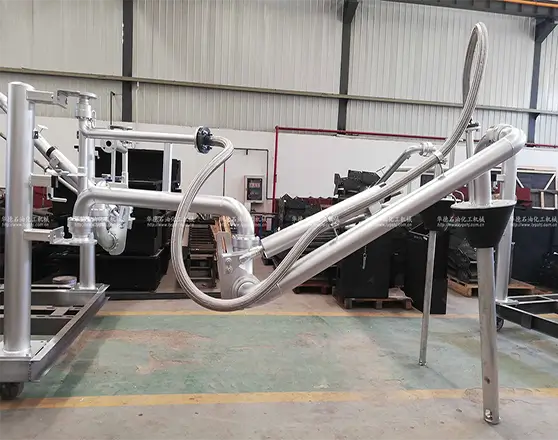
A buyer working with a liquid chlorine loading arm supplier should slow the purchase down until the hazardous transfer route is clearly understood. Liquid chlorine service should not be quoted as a generic loading arm request. The supplier should ask about medium, connection method, route direction, operator access, accessory requirements and site-prepared work before recommending a product. Yuanda Machinery lists AL1512 Liquid Chlorine Loading Arm within its fluid transfer equipment categories, so buyers can begin the discussion from a real product family.
A liquid chlorine station can fail as a purchasing project even when the product name is correct. The arm may not reach the connection comfortably, the parked position may block access, or the accessory scope may be unclear. The supplier’s job is to make those conditions visible before the buyer approves production.
The buyer should also separate what the supplier provides from what the site must prepare. Supports, local piping, lifting, installation labor and procedure details may remain outside the factory scope. If those responsibilities are not written, the receiving team may face a hazardous-service delivery without enough preparation.
The connection point decides much of the order. The supplier should ask where the vehicle or vessel connection sits, how the operator reaches it, whether top-side access equipment is needed, how the arm parks, and what space remains for maintenance. Liquid chlorine transfer should not depend on the installer making these decisions after the equipment arrives.
If the route requires safe access above the vehicle, the buyer may need to review folding stairs or platforms and trestles with the arm. If the route is at a lower connection, the supplier should review lane geometry and operator movement. The supplier should not quote the arm in isolation when access equipment changes daily operation.
AL1512 Liquid Chlorine Loading Arm should be reviewed against the actual position where the operator connects and disconnects the equipment. The buyer should confirm connection height, working envelope, parked condition, nearby structures and whether the old station has any layout problems. A suitable arm family still needs a site-specific route.
Operator access is not a cosmetic detail. If the operator must stretch, step around equipment or work in a crowded lane, the station becomes difficult to use. The supplier should ask how the operator approaches the connection, where the arm rests, and how accessories are stored. These notes should appear in the project file before shipping.
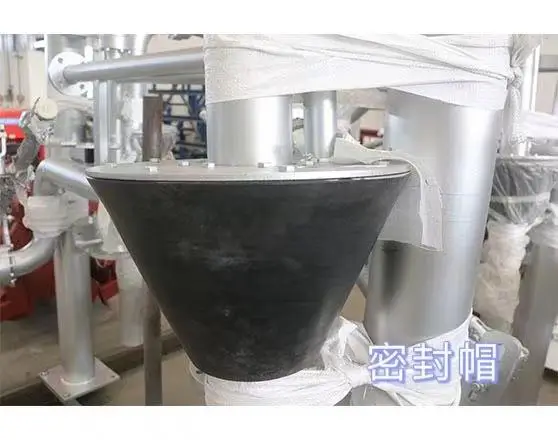
A liquid chlorine loading arm supplier should define included and excluded accessories clearly. Sealing caps, sealing rings, dry disconnect valves, swivel joints, drain pans and breakaway parts may all appear in a loading arm catalog, but the buyer needs to know which parts belong to the chlorine route. Unclear accessory scope creates both cost confusion and maintenance confusion.
Yuanda’s loading arm accessories provide the relevant product families for this review. The supplier should explain each accessory’s purpose in the route and identify whether it is included, optional or prepared by the buyer. This is especially useful when several hazardous-service routes are installed at one plant.
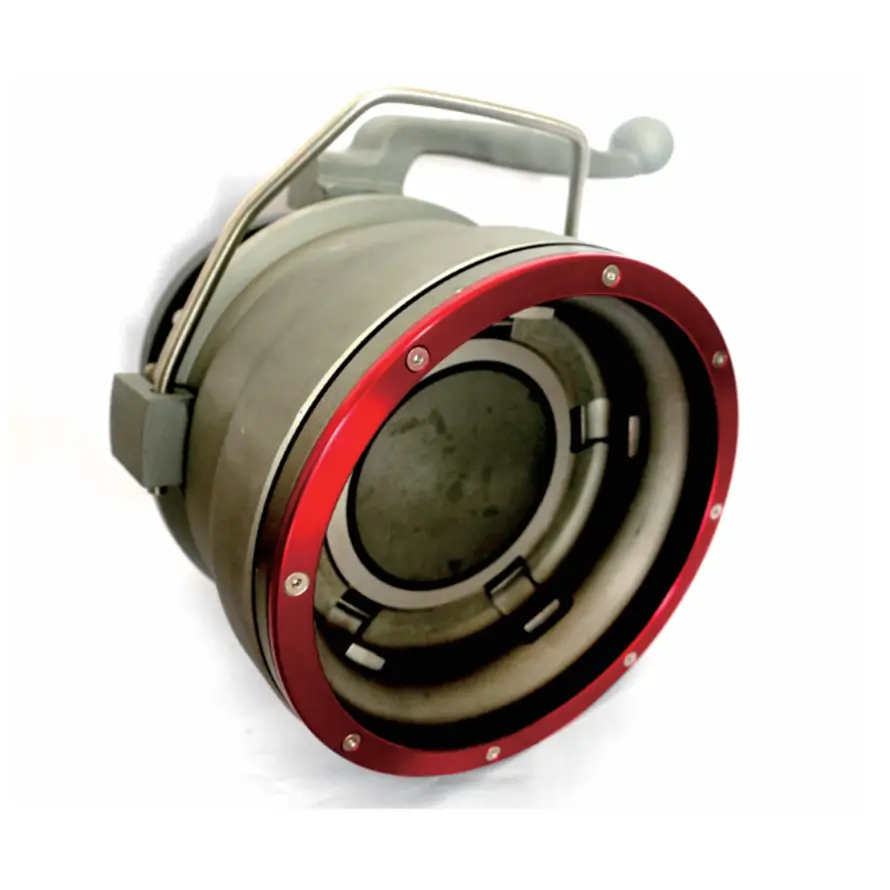
Sealing parts should not be stored or ordered only by appearance. The supplier should tie each sealing cap, ring or valve to the route, drawing and arm family. If the buyer later needs a replacement, the service team can refer to the original record instead of guessing from a part photo.
| Chlorine transfer issue | Supplier should document | Why buyers should care |
|---|---|---|
| Connection route | Height, reach, parked position and operator stance. | Arm matches the real station |
| Access equipment | Folding stairs, platform or local access boundary. | Less awkward operation |
| Accessory scope | Sealing, dry disconnect, swivel and drain items. | Clearer purchase and service |
| Site work | Support, piping, lifting and installation responsibility. | Fewer delays before commissioning |
The receiving file should tell the site team what is arriving, which route it belongs to, what ships assembled, what ships loose and what the buyer must prepare. Hazardous transfer equipment should not arrive as anonymous crates. Package marks should follow the route name or drawing reference, especially when multiple arms or accessories are shipped together.
For a replacement order, the supplier should ask what the old equipment failed to solve. Was the arm difficult to park? Were accessories often misplaced? Did operators lack safe access? A replacement can correct those problems, but only when the supplier studies the existing station rather than repeating the old arrangement.
A useful service record connects the AL1512 liquid chlorine arm, route name, accessory package, drawing reference and site responsibility. This record helps future buyers, maintenance staff and distributors identify correct parts. Without it, the next spare part order may depend on memory, and memory is a weak tool for hazardous-service equipment.
For related transfer decisions, buyers can read the top loading arm supplier guide and the loading arm manufacturer specification guide. If the plant is building a wider loading station, Yuanda’s batch loading control systems and loading arm accessories should be reviewed beside the chlorine arm.
A strong supplier is not the one that gives the fastest model name. It is the one that identifies missing site data, explains the route, separates accessory scope and documents buyer responsibilities. If medium data, connection position or site work is incomplete, the quote should remain in technical review until those inputs are clarified.
For industrial buyers and distributors, this protects both safety and cost. A vague order can lead to wrong accessories, awkward installation or unclear maintenance. A route-based order gives the buyer a record that can be used during purchasing, installation and later service.
Before approval, the buyer should ask whether the file can be understood by someone who was not part of the sales call. If a new maintenance person can read the route, arm family, accessory scope and site work without guessing, the supplier has prepared a stronger order.
That clarity matters long after delivery. Hazardous transfer equipment may stay in service for years, while purchasing staff and operators change. A supplier that builds a clean record gives the plant a practical reference for future inspections, replacements and layout changes.
A chlorine loading buyer should also ask how the supplier handles incomplete early-stage data. In many projects the buyer first knows the medium and general loading area, but not the final support, access route or accessory package. The supplier should mark those items as open instead of turning a rough request into a fixed order too early.
If the site is replacing an old chlorine arm, the supplier should ask for photographs, connection height, parked position and notes from operators. Operators often know where the old station caused difficulty, such as awkward reach or unclear accessory storage. Those observations can help the new order solve a real site problem rather than repeat an old layout.
A supplier should also explain what it cannot determine from a catalogue request. It may need site drawings, vehicle data, flange information or platform details before recommending final geometry. Buyers should welcome those questions because they prevent a hazardous-service arm from being selected with missing field information.
Packing should be planned by route. If the delivery includes the AL1512 arm, sealing parts, dry disconnect items and loose accessories, each package should be easy to match with the route drawing. Site teams should not have to open several crates and guess which accessory belongs to the chlorine position.
For maintenance, the chlorine route record should name the arm family and accessory boundaries in the same place. A future spare part request becomes clearer when the buyer can cite the original order, route and drawing reference. This is especially important when a plant has several loading arms that look similar from a distance.
A distributor selling liquid chlorine loading equipment should also keep the route specific. It should not describe the product only as a chlorine arm if the end user actually needs access equipment, replacement accessories or site modification. The supplier can help the distributor ask better questions before the final quotation.
The buyer should compare suppliers by how clearly they connect equipment with site responsibility. A useful proposal names what the supplier provides, what the buyer prepares, what remains unresolved and how the equipment will be identified after delivery. That proposal gives the plant a stronger purchasing record.
Liquid chlorine transfer does not reward vague language. The buyer should insist on a route file that can be used by engineering, receiving, installation and maintenance teams. If the route file is clear, the supplier has helped reduce confusion before the equipment reaches the site.
Before the order is released, the buyer should read the file as if a new person will install the equipment. If the new person can identify the connection point, access route, accessories, package marks and site work from the document, the supplier has prepared the order well.
The supplier should also help the buyer identify whether the route needs additional review from the plant safety or maintenance team before production. The supplier does not replace the buyer’s own procedure, but it can provide a technical file that those internal teams can read. A vague quote makes internal review harder.
If the chlorine loading point is part of a larger chemical loading area, the supplier should label the route so it is not confused with other arms. Similar supports, caps or swivels can appear on neighboring stations. The record should identify the chlorine route by name, drawing and accessory package.
For overseas purchasing, the delivery file should consider the receiving process. The site team may not include the same people who approved the technical order. Clear English labels, route names and drawing references help them verify that the correct hazardous-service equipment arrived before installation starts.
The buyer should also ask the supplier how future replacement questions will be handled. If a sealing ring, cap, swivel or dry disconnect item needs attention, the supplier should be able to refer back to the original route record. This reduces the chance of ordering a part that fits a different loading service.
A strong supplier may ask more questions than the buyer expected. That is often a good sign. Liquid chlorine service deserves careful clarification because wrong assumptions can affect access, accessory scope and installation readiness. The buyer should judge the supplier by the quality of those questions.
The final decision should be based on route confidence. If the supplier can explain the arm, the connection, the access method, the accessory package and the handover record, the buyer has a stronger basis for approval than a simple product quotation can provide.
If the route will be reviewed by several departments, the supplier should provide a short technical summary beside the detailed quotation. That summary should name the liquid chlorine service, arm family, connection position, access boundary, accessories and buyer-prepared work so each department reads the same scope.
A plant should keep that summary with its equipment file after delivery. When future staff change or the station is modified, the original route logic remains available and the buyer does not have to reconstruct the decision from scattered emails.
