

Get quote
Get Free Consultation!
We are ready to answer right now! free consultation.
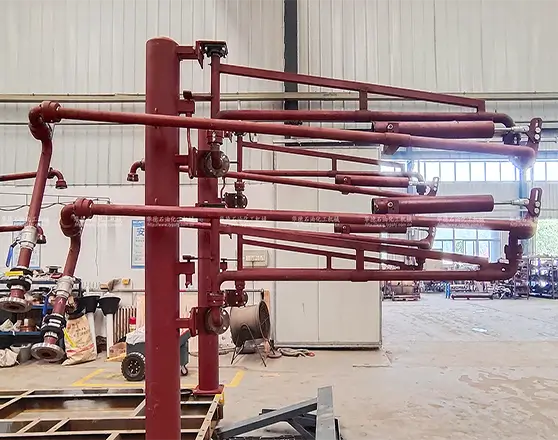
A top loading arm supplier should help the buyer connect the arm decision with safe access, manhole reach and medium behavior. Top loading can be useful for road tankers, railcars and certain loading or unloading stations, but it depends heavily on platform height, vehicle position, drop pipe movement and whether the site needs open fill, sealed transfer, heat tracing or lining. Yuanda Machinery’s top loading arm families include AL1512, AL1401, AL1402, AL1403, AL1412 and AL1513 routes for buyers to compare.
The buyer should not treat top loading as a simple reach question. The operator has to approach the tanker or railcar safely, move the arm without strain, connect or position the drop pipe correctly, and return the arm to a parked location that does not block the work area. If a top loading arm is ordered without access review, the field team may discover that the arm fits the vehicle but not the operating routine.
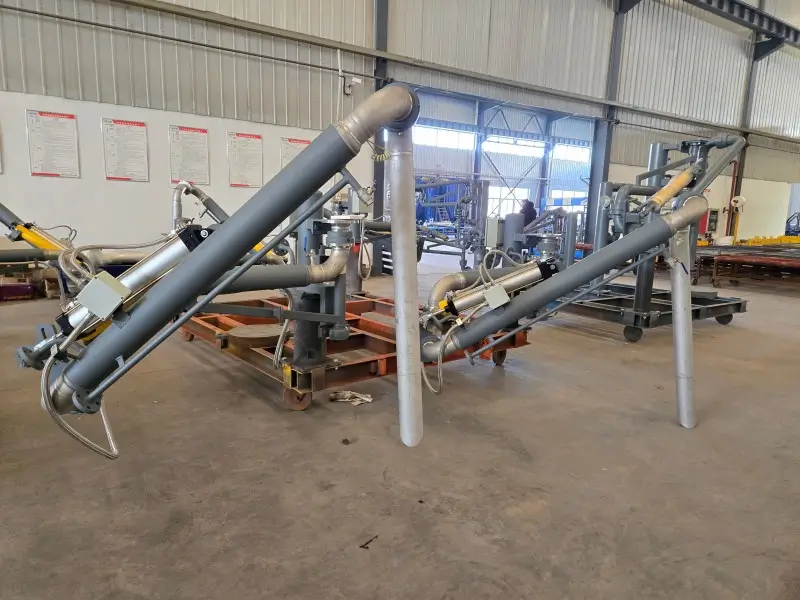
Manhole reach and platform access should be reviewed together. A top loading arm may reach the manhole, but the operator still needs a stable working position. The supplier should ask for platform height, tanker height, manhole location, lane width and whether folding stairs or a trestle are already planned. If the rack is existing, the supplier should ask for site photos and measurements rather than assuming the old access arrangement will work with the new arm.
Yuanda’s folding stair products and platform trestles are relevant because top loading often places access and arm movement in the same space. The buyer should ask whether the stair, platform and arm can move through a normal loading cycle without blocking each other. This is especially important in compact depots where every parked position and walkway matters.
AL1512 and AL1513 top loading routes may appear similar in a product list, but the buyer still has to check how the arm reaches the actual tanker or railcar. Vehicle height, manhole offset, platform location and loading frequency can all affect the final selection. A supplier should explain why the chosen family fits the buyer’s loading envelope instead of quoting the same arm for every top loading request.
Top loading railcars can require a longer reach and more careful parked position than a short truck bay. The supplier should review how the railcar is spotted, how operators move along the gantry, and whether the arm can return to park without blocking the walkway or adjacent loading position. If several arms work along the same gantry, the supplier should also check whether the operating sequence creates conflicts.
Open top loading is not the only route. Some media may require sealed top loading, vapor return, heat tracing, lining or special drainage. The buyer should tell the supplier whether the product is volatile, viscous, corrosive or temperature-sensitive. If the medium creates special requirements, the supplier should not quote a standard open-fill arm without explaining what is being left out.
A heated or lined top loading arm should be approved from the medium outward. The supplier should ask whether the product cools, thickens, corrodes or requires a clean disconnection routine. Those questions affect material route, heating route, seal expectations and maintenance planning. A buyer who provides only pipe size and flow rate may receive a quote that misses the actual service risk.
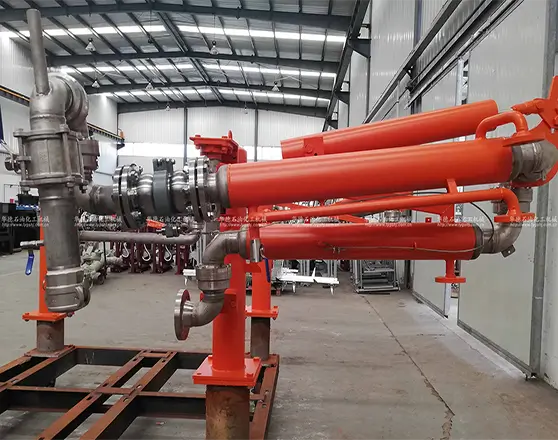
AL1412 sealed top loading arm discussions should happen when the buyer wants top loading but also needs better control around vapor, splash or operator exposure. Sealed top loading changes more than the arm end. It can affect vapor return, cap or seal route, parked position and cleaning expectations. The supplier should explain how sealed top loading fits the site rather than presenting it as a simple option added at the end.
| Top loading question | Supplier should verify | Buyer risk reduced |
|---|---|---|
| Where is the manhole during normal parking? | Reach, drop pipe movement and platform position. | Awkward operation and missed connection |
| Is safe access already designed? | Folding stair, trestle and handrail clearance. | Arm and access conflict |
| Is the medium volatile, viscous or corrosive? | Sealed, heat-traced, lined or special accessory route. | Wrong standard arm selection |
| How will the arm be maintained? | Swivels, seals, drains and parked access. | Difficult service after commissioning |
A top loading arm supplier should also understand the operator’s normal posture during connection. If the operator has to lean, pull the arm from an awkward angle or stand outside the intended platform area, the equipment may be technically correct but uncomfortable to use. The supplier should ask for platform photos or drawings, not only tanker dimensions, because the operator’s position is part of the loading system.
For railcar top loading, the supplier should pay attention to walking routes along the gantry. Operators may move between several cars, and an arm parked in the wrong direction can block movement or make the next connection harder. A rail gantry review should include parked clearance, adjacent arms and where the operator places tools or loose parts during loading.
The buyer should also ask whether the top loading route needs a defined drainage or drip-control plan. Product left in a drop pipe or arm end can affect housekeeping and operator confidence. Depending on the medium, drain pans, caps or other accessories may need to be discussed before the order is placed. These details are easier to handle at the supplier stage than after installation.
When the buyer is replacing an old top loading arm, the supplier should ask what problems the old arm created. Maybe the old arm reached the manhole but was hard to park. Maybe the access stair was too narrow. Maybe the arm dripped after loading or the seal route was poorly understood. Those old problems should guide the new purchase instead of being copied into the next rack.
For distributors, top loading arms should not be stocked only by model name. It is safer to separate routine open-fill routes from sealed, heated or lined routes. The supplier can help the distributor create a basic inquiry sheet that asks for manhole location, medium, platform height and accessory needs before a replacement order is confirmed. That small habit reduces wrong sales.
If the top loading arm ships with stairs, platforms or accessories, the packing notes should use the same lane names as the buyer’s site drawing. This prevents installers from assigning a drain pan, cap or accessory kit to the wrong arm. It also gives maintenance teams a clearer spare part record after the rack begins operating.
Top loading orders often include arms, folding stairs, platforms, sealing parts, drain pans or other loading arm accessories. The supplier should mark these items by lane and service. If a shipment includes several top loading arms that look similar, clear package marking prevents the installer from assigning an accessory to the wrong bay. The same record helps maintenance teams later identify which seal or swivel route belongs to which arm.
The supplier should also clarify which items arrive assembled and which are installed locally. A top loading arm may ship partly separated for protection, while stairs, platforms or accessories may arrive in different crates. That is workable when the delivery file is clear. It becomes a problem when the site expects one complete rack and instead receives loose components without enough lane identification.
The buyer may need to prepare support steel, anchor positions, platform interfaces, flanges, bolts, gaskets, lifting equipment or local installation labor. The supplier should write those responsibilities before shipment. If the site discovers missing support or access details after the arm arrives, the project loses time while the equipment sits idle. A clear delivery file protects both supplier and buyer.
For more context, compare the land loading arm supplier guide and the truck loading arm supplier guide. Buyers considering top loading as part of a larger station should also review Yuanda’s batch loading control systems and project page before deciding whether a loose arm is enough.
Many top loading purchases are replacements. The buyer should decide whether the goal is to copy the old rack or improve it. Copying may be suitable when the old rack worked well. Improvement may be needed when operators struggled with reach, access, dripping, vapor control or maintenance. A good supplier will ask which problems the buyer wants to remove, not only which old arm should be replaced.
Before approving a top loading arm order, the buyer should have a file that records vehicle position, manhole reach, platform access, arm family, medium assumptions, accessory list, delivery marks and site-prepared work. When that file is complete, the top loading arm is more likely to fit the operator’s real day rather than only the quotation table.
The buyer should also ask what information must be kept for maintenance. Top loading arms often include seals, swivels, drop pipe parts, caps, drain components and access equipment that should be identified by lane. If the record only says top loading arm, the future maintenance team may not know which service condition or accessory route applies. A supplier should help make that information clear before shipment.
For a contractor building a new loading rack, top loading should be reviewed before platform fabrication is complete. Once the trestle, stair and handrail arrangement is fixed, arm movement options may become limited. The supplier should therefore receive platform drawings early enough to comment on reach, parked position and service access. That early comment can prevent small layout errors from becoming permanent operating annoyances.
If the product changes in the future, the buyer should not assume the same top loading arm remains suitable. A change from ambient service to heated or vapor-sensitive service may require a different accessory route or arm family. The supplier should make this boundary clear so the owner knows when a repeat order is acceptable and when a fresh review is needed.
A top loading arm supplier earns trust by explaining these boundaries in ordinary project language. The buyer should understand where the arm reaches, how the operator uses it, what accessories protect the operation and what the site must prepare. That is more useful than a long product list with no connection to the actual rack.
The supplier should also explain how future spare requests will be handled. If the buyer later needs a seal, swivel, cap or drop pipe item, the order record should identify the arm family and service condition clearly.
A distributor can use the same information to screen customer requests. When the end user sends only a photo, the distributor should still confirm manhole reach, medium, access and accessory needs before quoting.
For project owners, this practical record turns the top loading arm from a loose item into part of a safer loading station.
It also helps the owner train operators because the record explains the reason behind the arm route, access equipment and accessories. When the team understands why the product was selected, daily use becomes more consistent.
