

Get quote
Get Free Consultation!
We are ready to answer right now! free consultation.
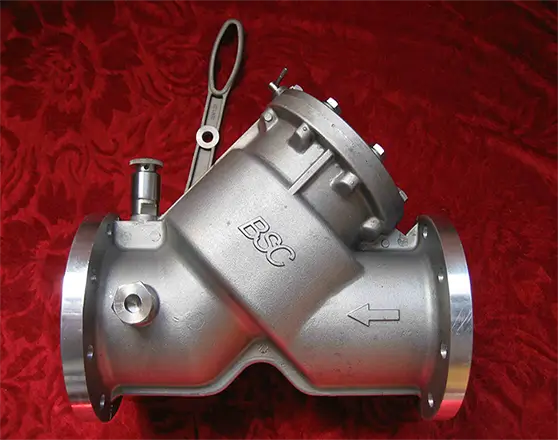
A loading arm swivel joint supplier should help buyers identify the correct swivel for a specific loading arm, not simply offer a rotating component from a shelf. The supplier needs the arm family, movement route, medium, connection position and reason for replacement. Yuanda Machinery lists loading arm swivel joints together with breakaway valves, sealing caps, dry disconnect valves and drain pans, which helps buyers treat swivels as part of a complete accessory route.
A maintenance buyer may call the supplier after an arm becomes difficult to move or a swivel needs planned replacement. A project buyer may need swivels as part of new AL1512, AL2404, AL2543, aluminum or marine arm packages. These are different buying situations. The supplier should separate a replacement request from a new project request before confirming scope.
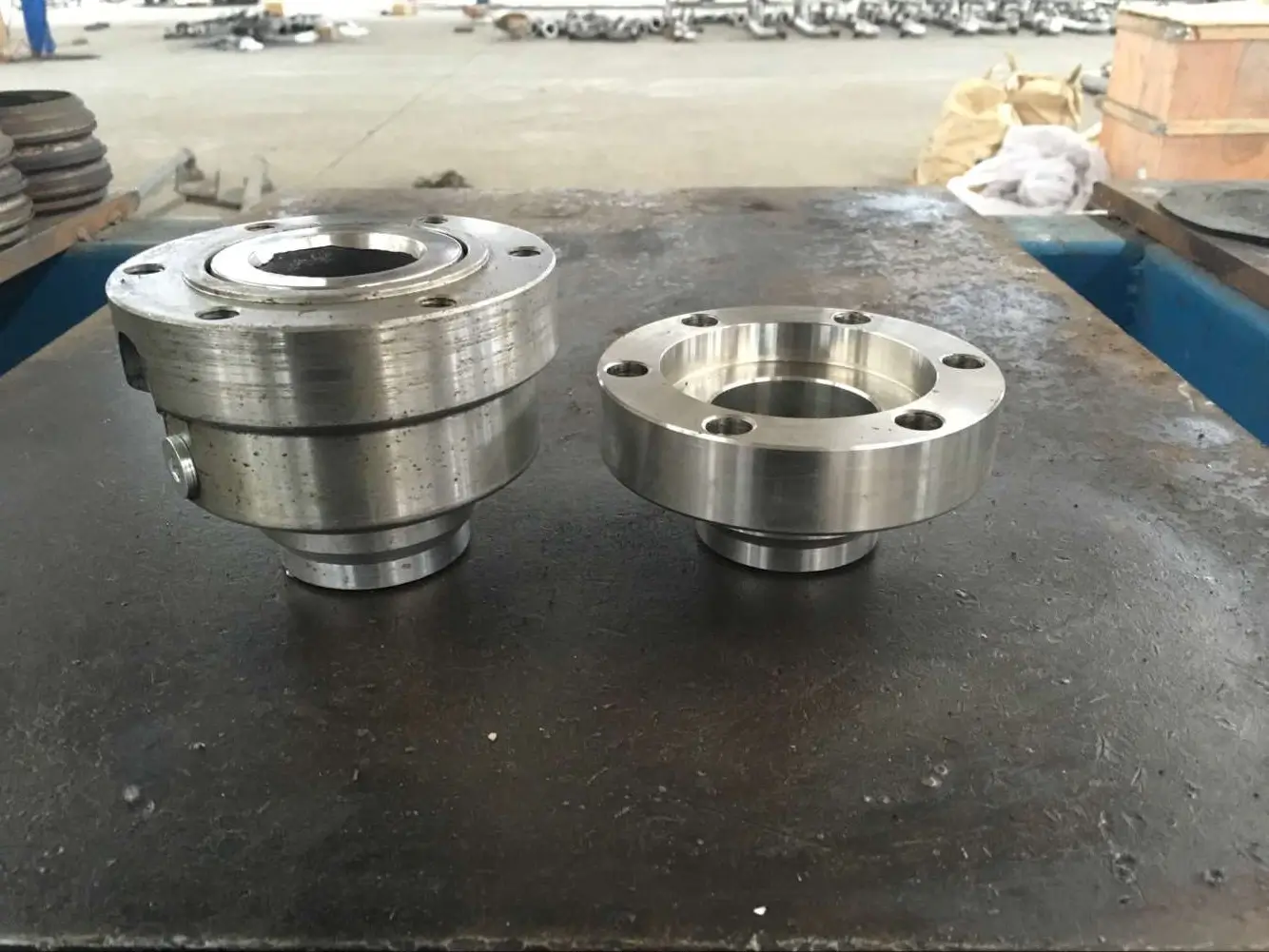
Spare part supply starts from the existing arm. The supplier should ask for old order records, drawings, arm model, route photos and the position of the swivel on the arm. Project supply starts from the new loading route. The supplier should ask for medium, vehicle or berth interface, arm family and accessory package. Mixing these two situations can lead to incomplete answers.
A distributor should also separate stock items from project-specific items. Some swivel joint requests may be common, but others are tied to medium, arm route or special accessory packages. The supplier can help the distributor by making part names and route notes clear enough for future repeat orders.
When replacing a swivel joint, the buyer should provide the original route evidence if available. A drawing, packing list or previous order number is stronger than a photo alone. If only photos exist, the supplier should state which assumptions are still uncertain. This protects both parties from treating a guess as a confirmed replacement.
For new arm supply, the swivel joint belongs in the movement review. The buyer should ask how the arm moves, where it parks, how the operator connects and whether nearby equipment limits movement. Swivel selection should support that route. It should not be a final small-part decision after the arm drawing is already approved.
The supplier should ask what medium passes through the arm and whether the swivel is part of petroleum, chemical, LPG, ammonia, LNG, aluminum or marine service. The answer may influence material thinking, sealing discussion and future service records. The supplier should also ask what other accessories are included, such as caps, drain pans or dry disconnect valves.
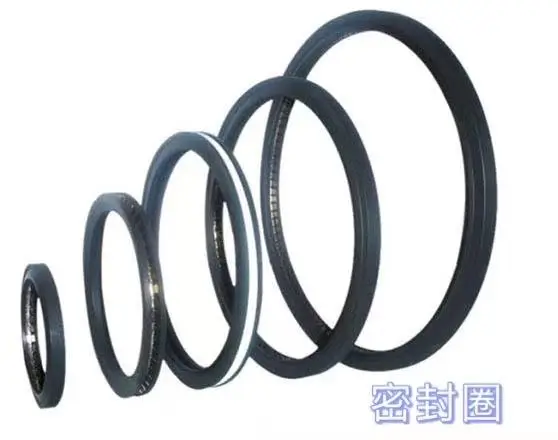
Accessory boundaries matter because a buyer may order a swivel joint together with sealing parts or a breakaway valve. The supplier should identify which parts belong to the same route and which are separate. This makes installation and future service easier, especially when several similar loading arms are installed in one facility.
Sealing rings and swivel joints may be serviced at different times, but their records should stay connected to the same arm route. If the buyer stores those records separately, future maintenance may lose the link between the medium, arm family and accessory package. A supplier that encourages route-based records helps the buyer maintain the station more intelligently.
| Buyer situation | Supplier response | Record to keep |
|---|---|---|
| Routine spare part | Match old swivel against route and arm record. | Previous order and drawing |
| Arm upgrade | Review swivel with new movement route. | New arm layout |
| Medium change | Check whether service assumptions changed. | Medium and route note |
| Distributor stock | Separate common stock from project-specific items. | Application label |
Swivel joints are often smaller than the main loading arm, but they can create large field delays if mixed. The supplier should mark packages by arm route, lane, berth or project drawing. If a shipment includes accessories for top loading and bottom loading at the same time, each part should be easy to identify on site.
The packing list should also state whether the swivel is a spare part, a project component or part of a larger accessory package. This helps receiving teams match parts to installation work and helps maintenance teams file the record correctly after installation.
Visual guessing becomes risky when several arms use similar components. A route-based label gives future maintenance teams a stronger reference. They can identify the arm family, service route and accessory group before asking the supplier for help. This reduces confusion when staff change or old memories fade.
Not every swivel joint request has the same urgency. A buyer may need an urgent spare to restore an existing loading route, or the buyer may be correcting a route that has become difficult to operate. The supplier should ask which situation applies. An urgent spare focuses on confirming the existing record quickly. A route correction may require a wider review of arm movement, parked position and accessory boundaries before the buyer approves the order.
This difference matters for distributors as well. When a distributor receives a swivel request from a terminal, it should not promise an interchangeable part before the route is understood. The supplier can help by asking for a previous order, route drawing, arm family and medium. If those are missing, the supplier should explain the remaining uncertainty rather than turning an incomplete request into a firm promise.
A supplier may ship spare swivel joints together with new loading arms or other accessories. The packing list should clearly separate spare parts from new arm components. If the receiving team cannot tell whether a swivel belongs in storage or on the installation route, delays and mistakes become likely. Route labels and package notes are simple controls that prevent avoidable confusion.
Sometimes a swivel joint request is connected with sealing, parking or disconnection problems. The supplier should ask whether the buyer also needs sealing rings, caps, breakaway valves, drain pans or dry disconnect valves. This does not mean pushing unnecessary parts. It means checking whether the buyer is solving the whole route problem or only one visible symptom. Yuanda’s loading arm accessory range gives buyers a way to compare related parts without losing the swivel focus.
A buyer preparing a new station can compare swivel joint supply with Yuanda’s loading platform and trestle products when operator access affects arm movement. If the operator reaches the arm from a folding stair or platform, the swivel route should support that working position. The supplier should not review the part in isolation from the way people will move the arm.
The purchase file should finish with a route note that a future maintenance person can understand. It should name the swivel position, the arm family, the medium and whether the part is for immediate installation or storage. This route note is small, but it is what prevents the next buyer from starting over with uncertain photos.
A supplier should also advise how to handle old swivels after replacement. If the old part is kept for reference, it should be tagged with the route name and removal reason. If it is discarded, the approved record should still remain in the maintenance file. Without that discipline, the next replacement request may again depend on photographs and memory.
For buyers with several loading routes, the supplier can help create a simple spare part hierarchy. Immediate-use spares can be stored by lane, while project spares can be stored by equipment package. Swivel joints that belong to a special medium or lined route should be kept separate from ordinary routes. This makes the warehouse easier to manage.
The supplier should also be honest when the request lacks enough evidence. It is better to pause and request a drawing than to ship a part that may not fit the route. Industrial buyers usually value that discipline because a wrong swivel can stop work longer than a careful review.
A clear supplier conversation ends with a record that says what was confirmed, what was assumed and what evidence supported the decision. That record is a practical service tool, not a decorative document.
When the supplier writes those points into the order record, the buyer can store the swivel joint with confidence and later prove why that part belongs to a specific route. This is especially useful for terminals where several similar arms share one maintenance warehouse.
That small record can prevent a rushed future order from becoming a wrong replacement during a shutdown window.
The best supplier asks for enough route information to avoid a wrong part. It connects the swivel joint with arm movement, medium, accessory scope, packaging and service records. Buyers can compare Yuanda’s accessory category, land loading arms and the loading arm supplier guide when preparing a clear request.
Before placing the order, the buyer should read the request as if a new maintenance person will use it later. If that person can identify the swivel route, arm family and medium from the record, the order is strong. If not, the supplier and buyer should clarify the route before shipment.
