

Get quote
Get Free Consultation!
We are ready to answer right now! free consultation.
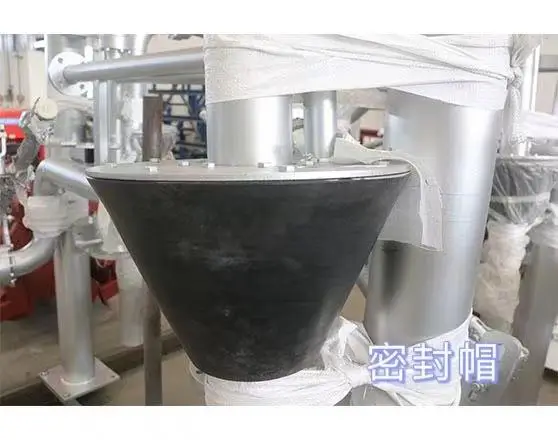
A loading arm sealing cap supplier should help buyers protect parked connections and keep each loading route organized. The sealing cap is a smaller accessory than a loading arm, but it affects daily operation because operators handle it after connection and disconnection. Yuanda Machinery lists sealing caps beside sealing rings, dry disconnect valves, swivel joints, drain pans and breakaway valves in its loading arm accessories category.
The first buying question is not only cap size. The supplier should ask which arm family uses the cap, where the arm parks, what medium is transferred, and how the operator stores the cap during loading. A cap for a parked AL1512 top loading route should not be described in the same vague way as a cap for another lane or an accessory package on a skid-mounted system.
Sealing caps are used when the connection is parked, protected or waiting for the next operation. The supplier should ask how the arm is parked, whether the cap stays attached to a holder, and whether operators can reach it safely. If the buyer cannot describe the parked position, the sealing cap order may be missing the operational detail that makes the accessory useful.
A depot with several lanes should label caps by arm route. Otherwise, a cap from one lane can be moved to another and the record becomes unreliable. This is especially common when caps look similar. A supplier that encourages route labels helps the buyer keep the station orderly after installation.
The record should say whether the cap belongs to a top loading arm, bottom loading arm, marine-related route or skid package. It should also identify the connection point it protects. A record that says only sealing cap is not enough for a plant with multiple arms. Future maintenance needs the route reference, not just the accessory title.
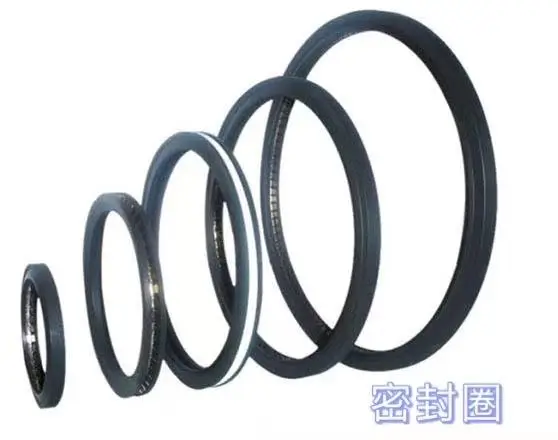
Sealing rings and sealing caps are often discussed together because they support the same protected connection. The supplier should ask whether the buyer needs only the cap, only the ring, or a matched accessory record for both. This prevents the buyer from approving a cap order while forgetting the ring record needed for future maintenance.
A sealing cap touches several teams. Operators use it after disconnection. Warehouse staff receive it and store spares. Maintenance teams need to replace it later. The supplier should prepare a record that works for all three. A cap with no route label may be acceptable on a small site, but it becomes weak when a facility has many loading points.
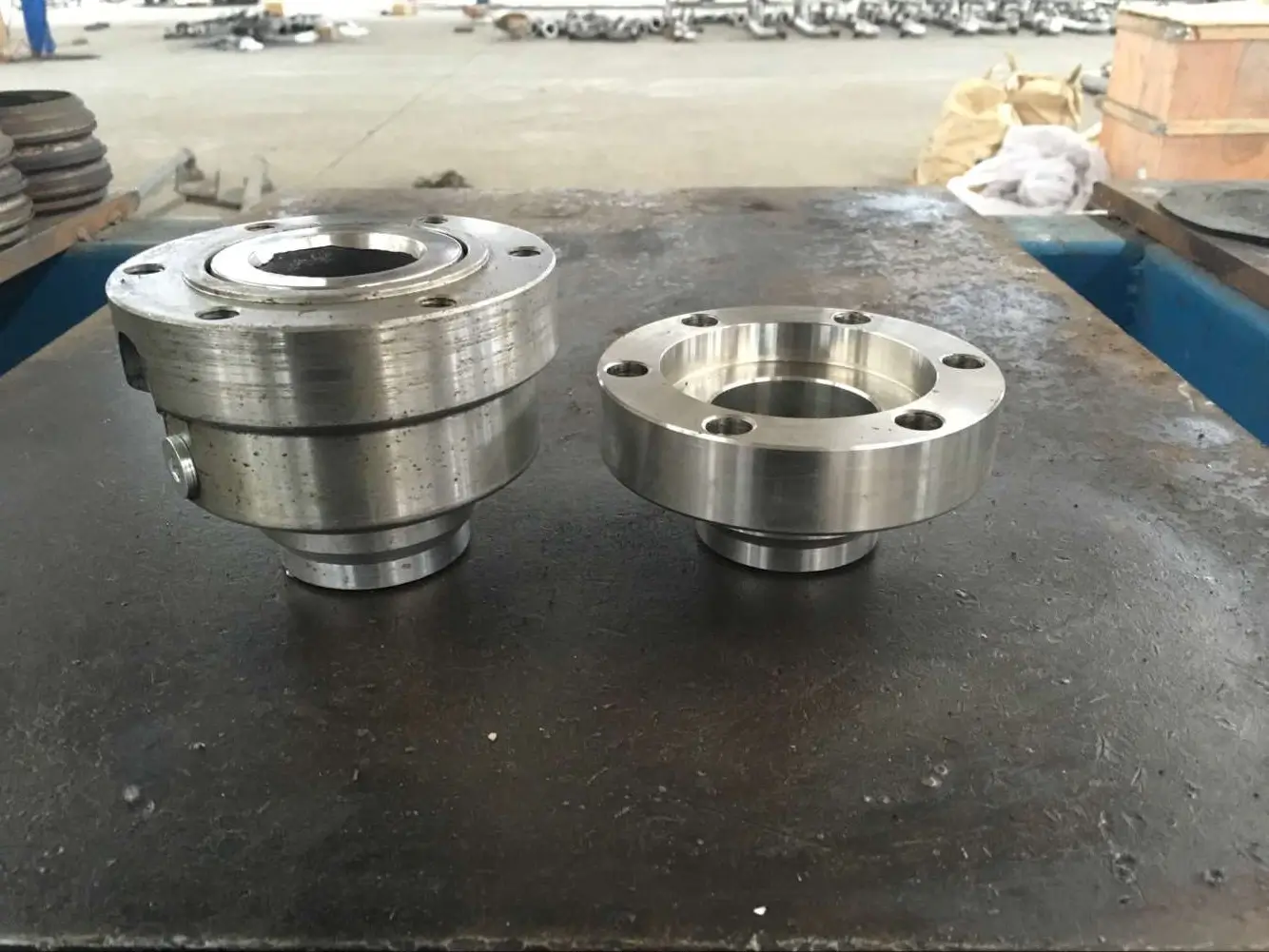
When the shipment includes swivels, sealing rings and caps together, the supplier should mark the cap by route. Similar accessories should not be packed in a way that forces the installer to sort by appearance. Clear packing is part of the supplier’s quality of service, even when the accessory itself is simple.
Photos help, but a cap photo may not show the arm family, medium or parked route. If the buyer is replacing a lost or worn cap, the supplier should request the old order record, route drawing or lane name. If only a photo is available, the supplier should state which assumptions remain uncertain before confirming the replacement.
| Sealing cap detail | Supplier should confirm | Buyer value |
|---|---|---|
| Parked position | Where the arm rests and how the cap is handled. | Accessory fits actual operation |
| Connection route | Arm family, lane and medium. | Avoids mixing similar caps |
| Related sealing parts | Whether sealing ring record is also needed. | Cleaner future maintenance |
| Packing mark | Route label and package list. | Faster receiving and installation |
A sealing cap may look too small for project handover, but it should still appear in the equipment file. The file should say which cap belongs to which route and how it is stored. This helps the owner keep the accessory attached to the correct loading arm after the contractor leaves site. Buyers can compare this record with Yuanda’s project supply examples when preparing a complete handover package.
In a skid-mounted loading project, the cap record should also state whether the cap ships installed, loose, or as a spare. If several small accessories are included with a skid, a missing cap label can create confusion during installation. Yuanda’s skid-mounted loading system page gives buyers a broader reference for how small accessories fit into a larger loading island.
When a cap is replaced, the buyer should keep the old route name if the route has not changed. If the route has changed, the supplier should help update the record so future orders do not reference outdated wording. This is a small discipline, but it keeps purchasing and maintenance aligned over long operating cycles.
The easiest way to review a sealing cap is to follow the parked arm after loading stops. The operator disconnects, returns the arm to its parked position, protects the connection and prepares the station for the next cycle. The cap belongs in that sequence. A supplier that understands the sequence can ask better questions about cap handling, storage and route labeling.
A site with multiple loading lanes should decide whether every parked connection needs the same style of record or whether certain routes require separate notes. Chemical, petroleum and gas-related service should not be combined casually. Even if the cap looks similar, the route record should remain tied to the actual arm and medium. This avoids warehouse mistakes when several spare caps are stored together.
The supplier should ask whether operators can reach the cap easily at the parked position. If the cap is difficult to handle, the accessory may be used incorrectly or stored away from the arm. That defeats its purpose. When access is awkward, the buyer may need to review the platform, folding stair or parking route rather than treating the cap as a simple spare.
A cap that is removed during loading needs a place to stay. The supplier should ask whether the cap is tethered, stored near the arm, or placed in a station holder. This detail is not only housekeeping. It affects whether the cap remains with the correct route after many operating cycles. A lost cap often starts as a poor storage plan.
The same logic applies to sealing rings. If a ring belongs with a certain cap and route, the spare record should keep them close. A warehouse may store rings separately for convenience, but the maintenance file should still connect the ring to the cap and arm route. The supplier can help by naming the package clearly on the packing list.
For project handover, the cap record should be short and practical. It can name the arm family, parked position, cap purpose, related sealing ring and route mark. The record does not need to be complicated, but it must be easier to understand than a photo folder. That is what helps the owner reorder the right part later.
A supplier should also tell the buyer when a cap request is a symptom of a larger station issue. If caps are repeatedly damaged, misplaced or hard to install, the parked route may need review. A good supplier does not only sell another cap; it helps the buyer ask why the cap problem keeps returning.
The final approval should leave no doubt about where the cap belongs. If an operator, warehouse person and maintenance technician all point to the same route after reading the record, the supplier has done useful work.
A sealing cap supplier should also help buyers decide how many spares are reasonable for each route. A high-use loading lane may need a different spare habit from a rarely used specialty route. The supplier should not invent stock levels, but it can help the buyer separate routine caps from route-specific caps that need tighter approval before replacement.
For a project contractor, the cap file can be included with the loading arm handover documents. This makes the owner less dependent on the contractor after commissioning. The owner can see which caps were supplied, which arm routes they protect and which related sealing rings were recorded at the same time.
The supplier should also write any uncertainty plainly. If the buyer requests a replacement cap without drawings or old records, the supplier can use photos as evidence but should avoid presenting the selection as fully confirmed until route details are reviewed. That kind of caution prevents a small accessory from becoming a recurring maintenance problem.
The right supplier treats a sealing cap as part of the loading route, not as an anonymous spare. It asks for parked position, arm family, medium, related sealing parts and packing marks. Buyers can compare sealing cap decisions with Yuanda’s land loading arms and loading arm supplier guide when preparing a clearer accessory request.
Before approving the order, the buyer should ask whether an operator, warehouse person and maintenance technician would all understand the cap record. If the answer is yes, the sealing cap supplier has made the accessory easy to use and reorder. If not, the order still needs a better route description.
