

Get quote
Get Free Consultation!
We are ready to answer right now! free consultation.
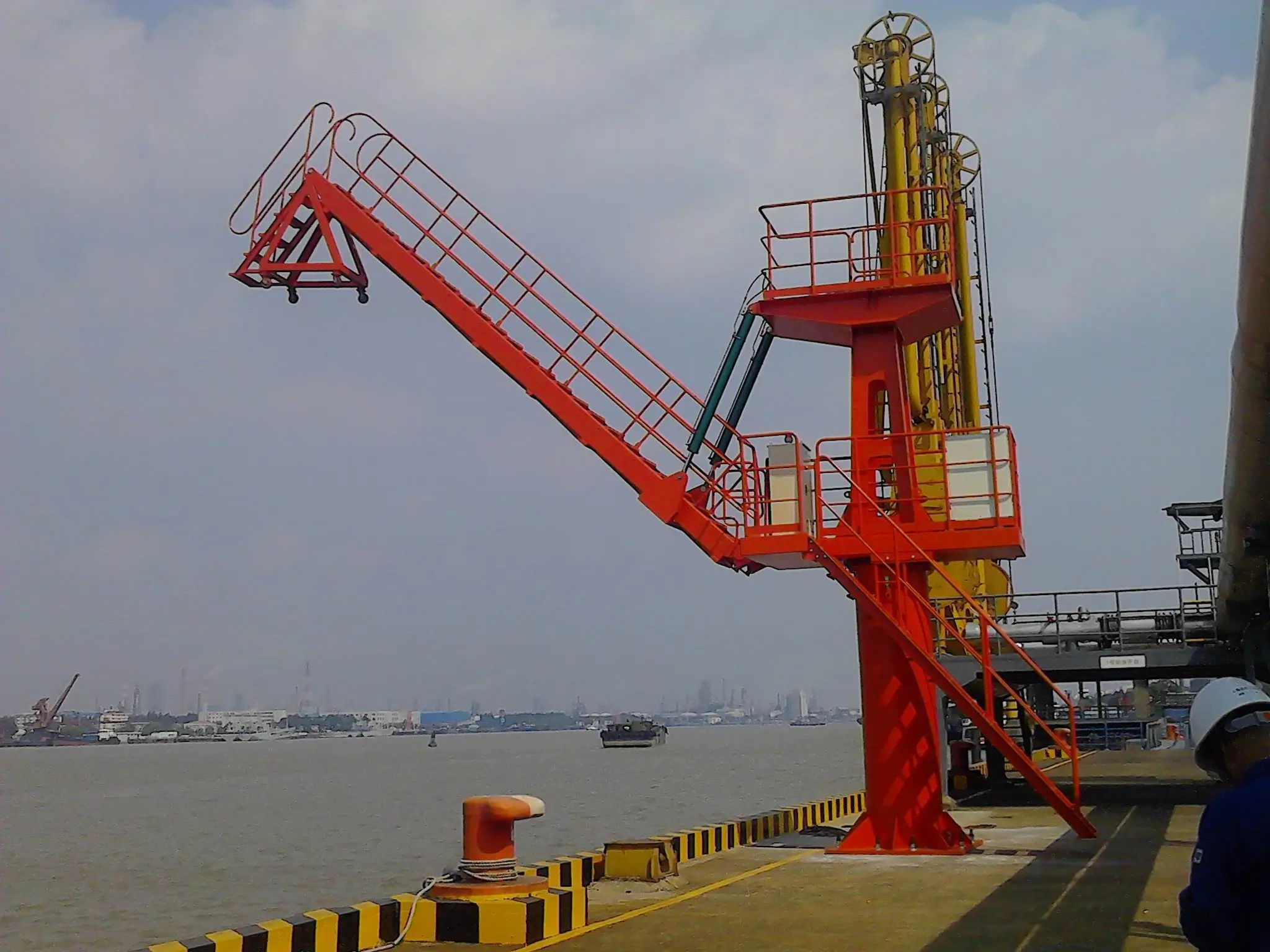
A marine gangway supplier should help terminal buyers turn a berth access problem into a clear equipment request. The supplier needs to understand the vessel approach, access height, operating route, nearby loading equipment and site boundary. Yuanda Machinery lists marine gangways with marine loading arms, hose cranes, quick release mooring hooks and ship-shore safety devices, which helps buyers review access as part of the whole berth environment.
The buyer should begin by explaining how people move at the berth. Do operators need access for loading supervision, inspection, hose handling, emergency route planning or maintenance? A supplier that asks this question can recommend the right gangway type and documentation. A supplier that only asks for quantity and general size may miss the real project condition.
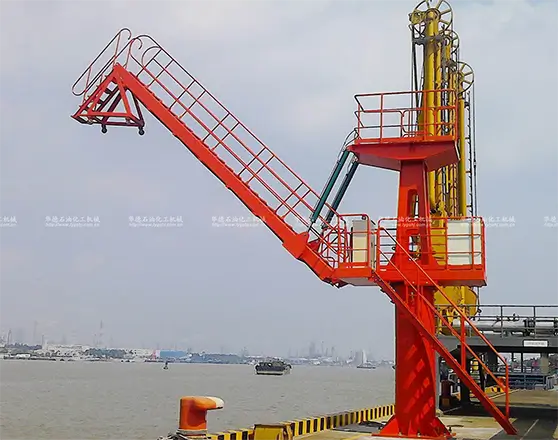
New berth supply and retrofit access work need different evidence. For a new berth, the supplier can review gangway location with marine loading arms, hose cranes, mooring hooks and platforms before layout decisions are fixed. For a retrofit, the supplier must understand existing structures, vessel access limitations and equipment already installed near the working area.
A terminal operator replacing an old access route may also need to know whether the new gangway will change operator habits. The supplier should ask how operators currently board, where they stand during transfer, and whether the current route creates delays or exposure to other equipment. These details make the proposal more practical.
The supplier should ask whether marine loading arms, hose cranes, quick release mooring hooks or vapor recovery equipment share the berth. A gangway route that crosses other work zones can create operational conflict. The buyer should provide the berth layout or at least a route sketch so the supplier can understand the access environment.
In a retrofit, the supplier should ask which structures, pipelines, platforms or equipment positions cannot change. A gangway can only be useful if it fits real constraints. If the buyer cannot provide drawings, photos and measured restrictions become important evidence. The supplier should state which assumptions still need confirmation.
The supplier should describe where the gangway starts, where it lands and how it moves between operating positions. If the gangway is tower-type, column-type or rotary, the movement envelope should be part of the discussion. Buyers should not approve a gangway only from a product picture because the real value is in how the access route works at the berth.
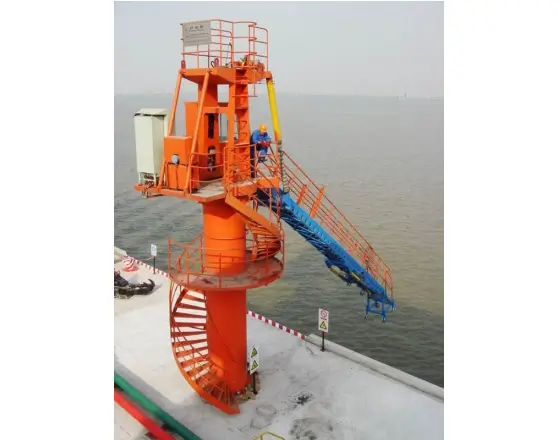
Package boundary is equally important. The supplier should clarify what is included in the gangway package and what remains part of local site work. Civil supports, surrounding platforms, electrical items or berth modifications may not belong to the same supply scope. Clear boundaries prevent delays during installation.
If the terminal handles different vessel sizes, the supplier should know the access range expected by the buyer. The record should not claim a capacity or range unless confirmed by project data, but it should explain what range the buyer asked the supplier to consider. This helps future teams understand why a certain gangway arrangement was selected.
| Supplier check | Buyer evidence | Why it matters |
|---|---|---|
| New or retrofit work | Project stage and existing layout. | Determines review depth |
| Nearby equipment | Marine arms, hose cranes and mooring area. | Avoids access conflict |
| Landing route | Vessel side and platform side assumptions. | Improves operator movement |
| Supply boundary | Included assemblies and local works. | Cleaner contract handover |
Marine gangways may ship in assemblies that need correct site identification. The supplier should mark packages by structure section, landing side, moving section and support component when applicable. If the same project also receives loading arms, hose cranes or quick release hooks, clear marks become even more important.
A supplier should also provide a practical handover record. The file should include the gangway type, access route, nearby equipment notes, package boundary and installation reference. Buyers can compare this with Yuanda’s terminal project delivery examples when preparing a broader berth package.
Once the contractor leaves, the terminal team still needs to operate and maintain the access route. A useful record helps them understand how the gangway should be parked, where it lands, and which surrounding equipment must remain clear. The supplier should write records for future operators, not only for purchase approval.
Before the order is approved, the supplier should help the buyer walk through the access route on paper. Where does the operator start, what does the operator hold, where does the gangway land and what equipment is nearby? This simple review often exposes missing details before they become site problems.
A paper route review is especially useful when several departments are involved. The project team may focus on equipment supply, operations may focus on daily boarding, maintenance may focus on inspection, and purchasing may focus on scope. A supplier that writes the route clearly gives every team a shared reference.
A marine gangway may be purchased with quick release hooks, marine loading arms or hose cranes, but it should still have its own access logic. The supplier should not blur these products together. The gangway moves people; the hooks handle mooring lines; the arms and hose cranes support transfer. The berth plan should show how these functions stay clear of each other.
If the gangway is installed during an upgrade, the buyer may need to operate part of the berth while work continues. The supplier should ask whether temporary access restrictions affect installation or handover. It should not promise a site method unless that is in scope, but it can help the buyer identify what needs to be clarified before the equipment arrives.
The supplier should also encourage the buyer to keep old access records when replacing equipment. Old records can show why a previous route worked poorly or what constraints were present. Comparing the old route with the new proposal helps the buyer avoid repeating the same access problem with a newer structure.
For a terminal handling several vessel types, the supplier should ask how often the gangway must be adjusted and who performs that work. The answer affects documentation, operator training and maintenance planning. It should be part of the project file even when final dimensions are handled in drawings.
A strong supplier will also call out missing information. If vessel side conditions, platform height or surrounding equipment are unclear, the supplier should state the gap. That discipline protects the buyer from approving a gangway based on assumptions that may not survive site installation.
The final supplier record should turn the gangway from a picture into an operating route. It should tell future staff where the equipment belongs, how it relates to the berth and which surrounding areas need to remain clear.
The supplier should also explain how the gangway package will be stored if installation is not immediate. Marine projects often receive equipment in stages, and an access assembly can be delayed by civil work or berth scheduling. Package marks should make it possible to keep parts together and protect the project file from confusion while waiting for installation.
A buyer should ask whether the supplier can separate wear parts, structural sections and site-prepared items in the delivery record. This separation helps the owner understand what can be reordered from the supplier and what belongs to local maintenance or civil work. It also helps the buyer avoid blaming the gangway package for work that was never part of the equipment scope.
For terminal operators, access equipment is also part of the daily rhythm of the berth. If the gangway is difficult to park or its landing route is unclear, operators may create informal habits that are not reflected in the project file. The supplier should help the buyer prevent this by making the intended route obvious from the beginning.
When the gangway is reviewed with marine loading arms, the buyer should also check whether operators need to move between the gangway and arm controls during the same operation. If they do, the access route should be kept free of hose crane movement and mooring line work where possible. These practical details make the difference between equipment that is installed and equipment that is comfortable to use.
A supplier that documents these points gives the terminal a better long-term record. The gangway remains tied to the berth route rather than becoming a stand-alone item that future staff struggle to interpret.
That record also makes later replacement discussions much easier for the owner.
The best supplier makes the access route clear before the buyer approves the order. It asks about berth layout, vessel side, structure type, movement envelope, nearby equipment, package boundary and handover records. Buyers can compare Yuanda’s marine terminal equipment with the marine loading arm supplier guide and fluid loading equipment supplier guidance when planning the wider terminal package.
Before placing the order, the buyer should ask whether a new operations team could understand the gangway route from the file. If yes, the supplier has made the access equipment easier to operate and maintain. If not, the route should be clarified before shipment.
