

Get quote
Get Free Consultation!
We are ready to answer right now! free consultation.
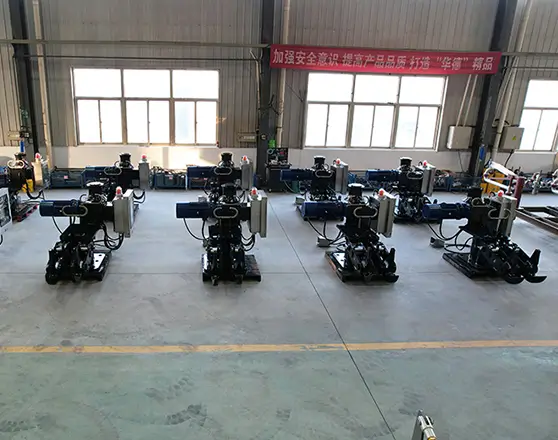
A buyer evaluating a quick release mooring hook manufacturer should start with the berth and mooring operation, not only the hook body. The hook arrangement belongs to a marine terminal route where vessel movement, mooring line handling, operator safety and nearby transfer equipment all matter. Yuanda Machinery lists quick release mooring hooks under its marine terminal equipment category with marine gangways, hose cranes, dock vapor recovery ship-shore safety devices and marine loading arms.
The manufacturer should ask whether the hook is for a new berth, an upgrade to existing mooring equipment or replacement of a damaged or outdated arrangement. The review should include hook quantity, location, operating access, release method expectations and how the hook set interfaces with surrounding equipment. A single product name is not enough for a serious terminal purchase.
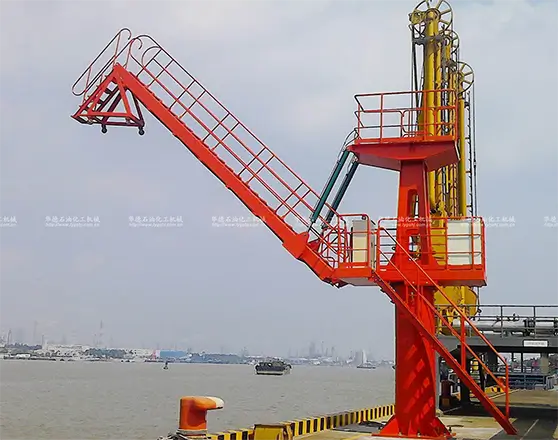
The berth layout tells the manufacturer how the hook will be approached, operated and maintained. The buyer should provide the hook location, mooring point arrangement, nearby access route and any equipment that shares the berth. If a marine loading arm, hose crane or gangway works nearby, the hook review should account for personnel movement and operating clearance.
A project buyer should also explain the vessel range and operating scenario as far as the project record allows. The manufacturer should not invent berth conditions or assume a universal hook arrangement. Instead, it should use the buyer’s layout and operational notes to prepare a more reliable mooring equipment proposal.
Quick release mooring hooks may be installed as a set. The manufacturer should ask how many hooks are needed at a location, how the hooks are arranged and how operators access the release position. A hook set can look straightforward in a product photo, but the berth arrangement decides how useful it becomes during operation.
The release route should be documented in simple operational language. The buyer should know where the release action is controlled, how personnel approach the equipment and what must remain clear. This record helps operations and maintenance teams understand the hook after installation, especially when staff change over time.
A quick release hook is part of berth safety and operation, while marine loading arms, hose cranes and gangways support transfer and access. These products are different, but they share the same working area. The manufacturer should ask whether hook placement affects access to loading arms, hose handling or gangway routes. This helps the buyer avoid a berth layout where equipment looks correct individually but conflicts during operation.
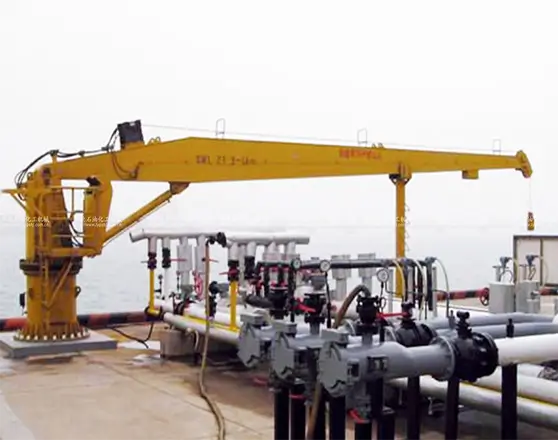
For terminals handling petroleum, chemical, LNG or other fluid transfer projects, mooring equipment may be purchased alongside transfer equipment. Buyers can compare the hook discussion with Yuanda’s marine terminal equipment range and marine loading arm manufacturer guide when preparing one berth package.
Personnel may need to inspect or operate the hook while other berth equipment is present. The manufacturer should ask how the operator reaches the hook and whether gangway, platform or hose crane movement affects that access. These access questions should be resolved before the buyer approves the hook arrangement.
| Manufacturer review point | Buyer should provide | Why it matters |
|---|---|---|
| Berth location | Hook position and surrounding layout. | Fits the real mooring point |
| Hook set arrangement | Quantity and release route expectations. | Avoids isolated item selection |
| Nearby equipment | Gangway, hose crane and loading arm positions. | Reduces operating conflict |
| Handover record | Layout, package boundary and maintenance notes. | Supports future service |
The manufacturer should state what belongs to the hook package and what remains part of local berth work. Foundations, electrical items, local controls, surrounding platforms or civil works may be outside the equipment supply unless agreed. A clear boundary protects both the buyer and the manufacturer from installation-stage confusion.
The project file should also record whether the hook is part of a new terminal package or a replacement route. Replacement work may require evidence from old equipment and existing berth constraints. New work may require coordination with other marine equipment before layout is frozen.
If several hooks or assemblies ship together, package marks should identify the berth position and hook set. A terminal project may receive gangway parts, hose crane parts and hook assemblies at the same time. Clear marks help installers avoid mixing components and help the owner build a useful maintenance file.
The release function is only useful when the operating route is understandable. The manufacturer should ask how personnel reach the hook, where the release action is managed and what equipment or structures sit nearby. This does not mean inventing a terminal procedure. It means documenting the equipment position so operations and maintenance understand the hook in context.
A berth may have a marine gangway on one side, hose crane movement nearby, and loading arms close to the transfer point. The hook arrangement should not force personnel into unclear routes around those systems. A manufacturer that asks about access is helping the buyer avoid conflicts between mooring work and transfer work.
When several hooks are supplied, the record should identify each hook set by berth position or operating side. This helps receiving, installation and future maintenance. If a replacement is needed later, the buyer can identify the exact hook route instead of sending a vague request for one quick release hook.
Some projects discuss manual, powered or remote release concepts. The manufacturer should only write features that are actually included in the agreed scope. If the buyer has not confirmed a release arrangement, the file should describe the requirement under review rather than presenting it as a supplied capability. This prevents the article, proposal or order record from creating a promise that the project has not approved.
A buyer should also ask how the hook package will be inspected on arrival. Heavy marine equipment should be easy to identify by package mark, drawing reference and berth position. If hook assemblies arrive with gangway or hose crane components, separate labels help the contractor place each item correctly.
For replacement work, the manufacturer should ask why the old hook is being replaced. The reason may be damage, changed berth arrangement, upgrade to a clearer release route, or planned maintenance. The answer shapes whether the buyer needs a direct replacement record or a wider review of mooring equipment and access.
The hook record should also keep nearby equipment in view. If a future project adds a hose crane or changes a gangway route, the mooring hook file can help the terminal team check whether access or clearance assumptions still make sense. That is one reason a clear initial record matters.
A manufacturer that prepares this information makes the hook easier to approve, install and maintain. The buyer receives more than a product quote; it receives a route-based mooring equipment file that can support future terminal work.
The manufacturer should also ask how the hook arrangement will be checked after installation. The owner may want records that identify the hook set, berth position, release side and surrounding equipment. Those records help maintenance inspect the same equipment later and help purchasing describe a replacement request without starting from vague photos.
For a terminal upgrade, the hook file should mention existing constraints. Old foundations, nearby platforms, vessel mooring habits or adjacent transfer equipment may affect the arrangement. The manufacturer should not invent those constraints, but it should ask the buyer to document them before the final order is approved.
The buyer should also review how personnel will move around the hooks during routine operations. If the route crosses gangway access or hose crane work areas, the berth plan should be reconsidered before equipment is shipped. A hook that is strong as a product can still be awkward if the operator route is unclear.
A manufacturer can support distributors as well. If a distributor handles replacement hooks for several terminals, the manufacturer should help keep each berth position separate in the record. That prevents a replacement for one customer or berth from being confused with another hook set that looks similar but belongs to a different operating route.
The final approval should describe the hook arrangement in plain project language: berth position, hook set, operating side, nearby equipment, package boundary and record owner. When those points are clear, the buyer has a stronger basis for long-term mooring equipment management.
This is especially useful when several berths share one maintenance team and one purchasing record system.
A strong manufacturer connects the quick release mooring hook with berth layout, hook arrangement, release route, nearby marine equipment, packing and future records. Buyers can compare Yuanda’s project delivery examples, marine terminal equipment and marine loading arm supplier guide when preparing a complete marine terminal request.
Before approving the purchase, the buyer should ask whether the hook file would make sense to a future operations team. If the hook set, route, nearby equipment and package boundary are clear, the manufacturer has supported long-term use. If the file is only a product name and quantity, the berth review is not finished.
