

Get quote
Get Free Consultation!
We are ready to answer right now! free consultation.
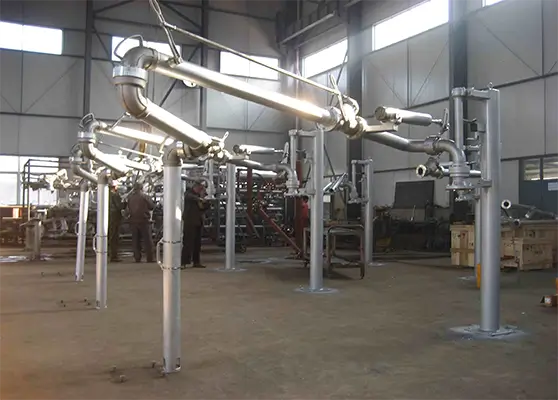
An aluminum loading arm supplier should help buyers confirm whether the request belongs to a top loading route, bottom loading route, accessory package or replacement project. Yuanda Machinery’s product categories include aluminum alloy top loading and unloading arms, aluminum alloy bottom loading and unloading arms, and aluminum loading arm valve and swivel joint products within the broader land loading arm range.
The supplier should ask how the arm will be used: which medium is transferred, where the vehicle connects, how operators access the point and whether the arm is supplied alone or with accessories. Aluminum may be the buyer’s starting preference, but the real supply decision depends on route, connection and service record.
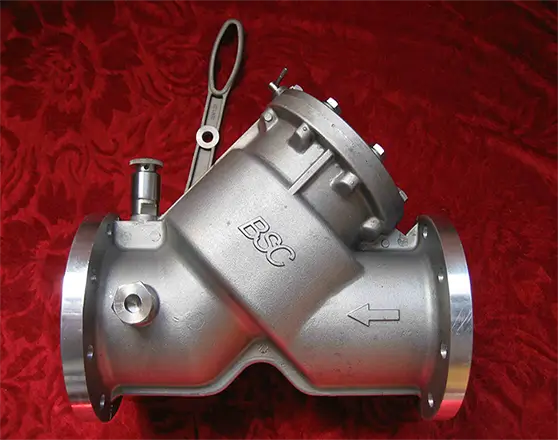
A top loading route may involve platforms, folding stairs and operator access above the vehicle. A bottom loading route may involve adapter position, coupler movement and lane clearance. The supplier should ask which route is being purchased before discussing scope, price or accessories.
If the buyer is a distributor, the supplier should also ask whether the order is for a specific project or general stock. Project arms need route labels and drawings. Stock planning needs clear separation between common items and route-specific components. A generic aluminum arm record is not enough for repeat industrial supply.
For a top aluminum loading arm, the supplier should ask where the arm parks, how the operator reaches it and whether a platform or folding stair is part of the station. These details help the buyer avoid an arm that fits mechanically but remains inconvenient in daily operation.
For a bottom aluminum arm, the supplier should ask about the vehicle adapter, lane spacing and connection sequence. If several arms operate near one loading point, the buyer should describe the route clearly. This helps the supplier keep package marks and accessory records accurate.
The supplier should state what is included with the arm and what is separate. Valve and swivel joint records, sealing caps, drain pans, dry disconnect valves or breakaway valves may be relevant, but they should not be assumed unless included in the order. Clear scope prevents installation and maintenance confusion.

The buyer should keep accessory records tied to the arm route. A swivel joint or valve may be serviced later, and the maintenance team should know which arm and medium it belongs to. The supplier can help by using route-based names on packing lists and handover files.
If several aluminum arms ship together, similar assemblies can be mixed. The supplier should mark packages by route, lane or project drawing. This is especially important when top and bottom arms are included in one order or when accessories ship loose.
| Supplier question | Buyer answer | Value |
|---|---|---|
| Top or bottom route? | Vehicle connection and operator position. | Sets arm type |
| What medium is handled? | Product and service notes. | Supports route review |
| What accessories are included? | Valve, swivel, caps or other parts. | Clarifies scope |
| How will it ship? | Route labels and package list. | Supports installation |
An aluminum loading arm may remain in service across many maintenance cycles. The first supply file should record arm type, medium, route, accessory scope, packing mark and replacement reference. When a valve, swivel or seal is needed later, the buyer can start from the approved file instead of uncertain photos.
For replacement orders, the supplier should ask why the arm or accessory is being changed. The reason may be route modification, wear, damage or standardization. If the route changed, the supplier should not treat the order as a simple repeat. It should review the new condition before confirmation.
If a top arm is difficult to use because platform or stair access is poor, supplying another arm may not solve the buyer’s problem. The supplier should ask whether access equipment affects operation. Buyers can compare access needs with Yuanda’s platform and trestle products when reviewing the loading bay.
A distributor may need product descriptions that help resale and after-sales support. An end user may need route records that help operation and maintenance. The supplier should understand which buyer it is serving. For distributors, stable item names and route categories matter. For end users, lane labels, medium, access and accessory scope matter more.
If the distributor stocks aluminum arms or related parts, the supplier should separate top loading, bottom loading, valve and swivel items. Combining them into one aluminum loading arm folder makes later support harder. A better record shows which items are general stock and which belong to a specific project.
A quotation may mention valves, swivels, caps or dry disconnect valves while discussing the arm route. The supplier should state whether those accessories are included, optional or simply related. This prevents the buyer from assuming that every accessory named in the discussion will ship with the arm.
If a site has aluminum arms and ordinary steel routes, the supplier should encourage separate records. Future maintenance may otherwise order a part for the wrong route. Package marks and route names make the difference visible during receiving and later service.
For a new loading bay, the supplier should also ask how the aluminum arm route will be checked after installation. The owner may want to verify parking, connection, accessory placement and operator reach. A clear file supports that inspection.
For a replacement arm, the supplier should ask why aluminum is preferred. If the answer is operator handling, the supplier should review movement and access. If the answer is standardization, it should review existing arm families and spare parts. Different reasons lead to different supply records.
The final file should help the buyer repeat the order later without confusion. It should include arm type, route, medium, accessory scope and packing language.
A supplier should also help the buyer plan spare part naming. Valve and swivel joint records should use the same route names as the arm. If a distributor sells the arm to an end user, the distributor should pass that route language through instead of replacing it with a generic product code only.
If aluminum arms are supplied with loading platforms or skids, the supplier should ask whether those systems share the same project package. A route that depends on a platform stair or skid connection should not be documented separately from those items. This keeps the buyer’s project file coherent.
For warehouse teams, the packing list should distinguish top arms, bottom arms, accessories and spare parts. Similar crates can be confusing when several arms arrive together. Clear labels reduce receiving errors and make installation faster.
The supplier should also state when an accessory is discussed but not included. This is common during early technical talks. A buyer may ask about caps, drain pans or dry disconnect valves, but the final arm package may not include them. The order record should make that clear.
A good supplier turns the buyer’s request into a repeatable file. That file helps operations use the arm, maintenance identify parts and purchasing reorder without rebuilding the whole discussion.
The supplier should also identify which parts of the aluminum loading arm route are likely to be discussed again later. Valves, swivel joints, sealing caps and connection accessories may become maintenance items long before the main arm is replaced. If those items are named clearly at the first shipment, future service becomes easier.
For an industrial buyer comparing several supply options, the most useful supplier is often the one that asks route questions early. That supplier may take longer to prepare the first response, but the resulting file is less likely to cause wrong-route orders, missing accessories or mixed packing during installation.
The final approval should confirm arm route, accessory scope, site access, packing marks and support record. Those points make the supplier relationship practical after the sale.
The buyer should also ask how the supplier will handle repeat orders when only part of the original file is available. A supplier with a good route record can still identify the arm family and accessory scope from stable project wording, while a weak record forces everyone back to guesswork.
A strong supplier connects aluminum loading arms with route type, medium, access, accessory scope, package marks and future records. Buyers can compare Yuanda’s land loading arms, loading arm accessories and the loading arm supplier guide when preparing a clear request.
Before placing the order, the buyer should read the file as if a new maintenance person will use it later. If the arm route, accessory scope and packing marks are clear, the supplier has done useful work. If not, the order still needs more technical definition.
This discipline helps both end users and distributors because aluminum loading arms can appear similar while serving different routes.
The supplier should also keep quotation language and packing language consistent. The same route name should appear in the commercial file, drawing file and shipment file. That consistency prevents confusion when the equipment arrives.
A good supplier makes future service easier by leaving the buyer with a stable route record rather than a one-time transaction.
