

Get quote
Get Free Consultation!
We are ready to answer right now! free consultation.
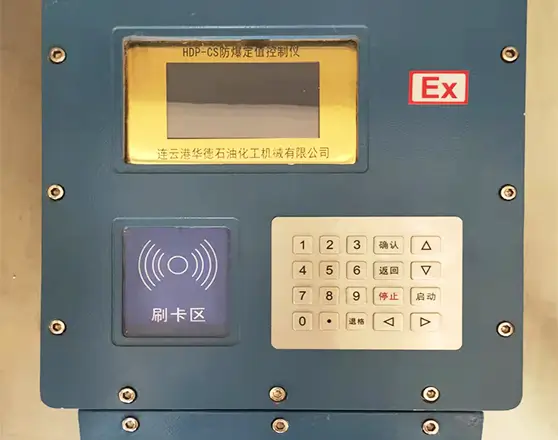
A buyer choosing a batch loading control system supplier wants a loading point that can deliver measured quantities with a clear operator workflow. The purchase may include a batch controller, automatic quantitative loading system, host computer management system, card-based loading and unloading skid or a skid-connected package. Yuanda Machinery’s batch loading control system range gives depot and terminal buyers a real product base for this decision.
The supplier should not begin with only a controller model. It should ask what products are loaded, whether loading is top or bottom, how vehicles are authorized, what records are needed, which meters or valves are included and how the system connects with the loading arm or skid. A control system that does not match the physical loading point can become difficult for operators.
For a terminal owner, the core question is how measured loading happens from vehicle arrival to completed delivery. The buyer should be able to describe the operator action, preset quantity, loading route, stop condition, record output and responsibility boundary. If the supplier cannot map that workflow, the control offer is not ready.
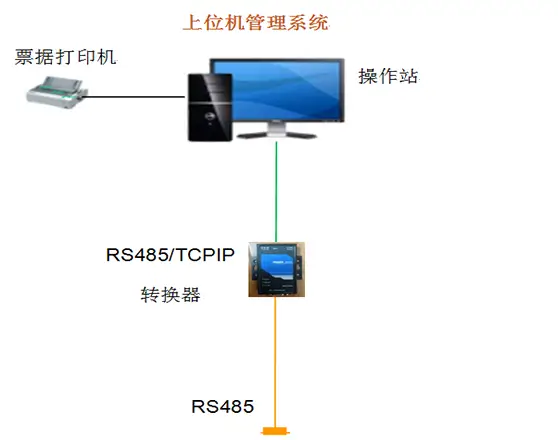
The workflow decides the hardware. A simple preset loading point may need a batch controller and field instruments. A card-based station may need user authorization and loading records. A larger depot may need host computer management so operators and managers can review loading activity. The supplier should identify which workflow the buyer actually wants before naming equipment.
The buyer should also confirm the physical route. A top loading bay, bottom loading bay and skid-mounted route can all use measured loading, but the operator position, cable route, valve sequence and vehicle movement are different. Control should be reviewed beside the mechanical loading equipment, not after the arms are already chosen.
A batch controller should be selected with the preset quantity logic and operator position in mind. The buyer should ask where the operator enters or confirms the quantity, what information is displayed, and how the system stops delivery. The supplier should explain what information belongs in the controller and what remains in the buyer’s site system.
A host computer management system may be useful when the depot needs loading records, supervision or centralized data. The buyer should ask what information is recorded, how users are managed and what the supplier expects from the site network or operation procedure. The management system should support the depot’s work, not create a separate island of data.
Yuanda supplies land loading arms, top and bottom loading skids and loading control equipment, so buyers should review the mechanical and control routes together. A controller installed far from the operator’s connection point, or a skid layout that ignores cable and instrument routes, can make daily loading awkward even if each product is correct.
The supplier should clarify whether it supplies a complete skid-connected control route or only selected control components. The buyer should know which instruments, valves, control cabinets, software-related items and field connections are included. If the control boundary is vague, installation and commissioning can become difficult.
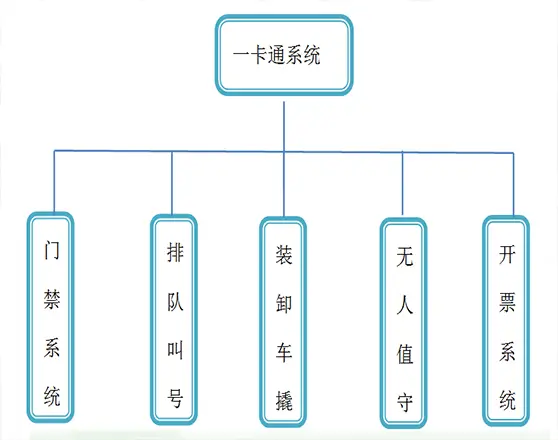
Card-based loading should define who is authorized, how loading starts, what record is produced and how exceptions are handled. The supplier should not present a card-based skid as only a mechanical item. The buyer needs to know whether authorization, controller logic and management records are part of the supply or only supported by the site system.
| Control question | Supplier should verify | Project benefit |
|---|---|---|
| How is quantity preset? | Controller workflow, stop logic and operator display. | Measured loading is clearer |
| Are records required? | Host computer management and data boundary. | Better depot supervision |
| Is card authorization used? | User route, card reader, record and skid boundary. | Cleaner access control |
| Which field items are included? | Meter, valve, instrument, cabinet and site wiring scope. | Fewer commissioning gaps |
Control proposals can become too abstract for the installation team. The supplier should write a practical boundary: what the factory supplies, what the buyer prepares, what power or wiring is local, what signals are expected and what information is exchanged. This does not replace the buyer’s engineering design, but it gives the project team a common scope.
If the loading control system ships with a skid, package marks should identify controller cabinets, instruments, field components and documents by route. If the control system is installed separately, the supplier should still connect its documents to the loading bay or skid name. Future service depends on that identification.
A future service request should be tied to a controller, skid and loading bay, not only to a product photo. The buyer should keep controller model, route, instrument list, software or management boundary and drawing reference together. This makes troubleshooting and spare part communication more organized.
Buyers can compare Yuanda’s batch loading control systems with the petroleum loading arm supplier guide and fluid transfer equipment supplier guide. If the control system is part of a skid order, the skid-mounted loading system article should be reviewed beside it.
A good supplier makes the loading sequence visible. The buyer should understand who authorizes loading, where the vehicle connects, how quantity is preset, which devices control flow, what record is produced and what site work remains local. If those points are not clear, the system is not ready for approval.
For distributors and contractors, this clarity prevents mismatched expectations. One buyer may want only a controller, another may expect a complete skid with control cabinet and management records. A supplier that separates those scopes reduces the risk of selling an incomplete package.
Before production, the buyer should ask the supplier to list unresolved inputs such as flow data, meter route, valve boundary, power supply, site wiring, user authorization and record requirements. These are not minor details. They decide whether the control system will operate smoothly with the loading equipment.
The final batch loading control system file should be useful during operation and future service. Operators use it to understand the workflow, managers use it for records, engineers use it for interfaces and maintenance uses it for troubleshooting. That shared value is the reason to choose a supplier that writes the control scope clearly.
A batch loading control system supplier should also help the buyer distinguish between what must be controlled automatically and what remains an operator action. Some depots want preset quantity and automatic stop while the operator still handles arm connection, vehicle confirmation and local checks. Other depots want card authorization, record management and stronger supervision. These are different control expectations. The supplier should write the workflow in ordinary operational language so purchasing, engineering and operations understand the same sequence before equipment is ordered.
If the buyer already owns loading arms or skids, the supplier should ask how the new control system will connect with them. Existing meters, valves, field wiring and cabinets may not match the new expectation. A retrofit control project can fail when the supplier assumes the existing field equipment is ready. The buyer should ask for an interface review that names which existing items can remain, which need confirmation and which must be prepared locally. This prevents the control upgrade from becoming a field troubleshooting exercise.
For new terminals, the control supplier should coordinate early with the mechanical layout. Operator screen position, emergency stop location, cable route, instrument maintenance access and cabinet placement can all affect daily loading. When the mechanical skid and control route are designed separately, operators may have to walk too far, read information from the wrong position or work around poorly placed cabinets. The supplier should make these issues visible while the layout can still be adjusted.
The service record should also include software or configuration boundaries where applicable. The buyer should know which loading parameters, user records or management functions belong to the supplied system and which belong to the customer’s own procedures. This protects the supplier from being blamed for site decisions and protects the buyer from expecting features that were never included. A clear control record is especially important when the depot later adds products, lanes or user groups.
A practical supplier comparison should therefore focus on workflow clarity, not only hardware names. Buyers should compare whether each supplier asked about product, meter route, valve control, operator action, record needs, skid interface and site wiring. The best proposal is the one that helps the depot visualize measured loading from arrival to completion. That is what makes a batch loading control system more useful than a box of separate control components.
The buyer should also ask how the supplier handles calibration, verification or acceptance boundaries. The supplier may provide devices and configuration support, while local regulations, site procedures or third-party checks remain the buyer’s responsibility. Those limits should be written clearly. When measured loading is involved, unclear acceptance responsibility can delay operation even after the hardware is installed. A practical supplier will state what it can provide and what the depot must arrange locally.
If the terminal works with several user groups, card-based authorization should be discussed in operational terms. Drivers, operators, supervisors and maintenance staff may need different access levels or records. The buyer should not assume those details are included just because a card-based skid is mentioned. The supplier should ask how users are managed, what information is recorded and how exceptions are handled during daily loading.
A batch loading control system should also leave room for future maintenance. The buyer should keep controller settings, instrument references, cabinet labels, wiring boundaries and route names together. If a controller is replaced or a meter route is checked later, maintenance teams need a record that connects the control system with the physical loading bay. A supplier that prepares this record from the first order makes future troubleshooting more orderly.
Before approving the supplier, the buyer should read the proposal as an operator. Can the operator understand when to authorize loading, where to watch the process, how quantity is confirmed and what happens when loading ends? If the answer is not clear, the control proposal may be technically detailed but operationally weak.
The buyer should also ask how future product changes are handled. A control system configured for one loading routine may need review when the depot adds another product, changes meter routes or modifies authorization rules. The supplier should identify which settings or documents must be updated when the operation changes.
A strong supplier leaves the buyer with a control record that can be read by people who were not present at commissioning. That record should explain the route, controller boundary, field equipment and management functions clearly enough for later maintenance and upgrades.
If the depot later adds a lane, changes users or modifies product flow, that record gives the next project team a reliable starting point. The buyer does not have to rebuild the control logic from scattered notes.
This is especially useful when maintenance staff, operators and purchasing teams change over time.
The control file should stay with the loading bay.
