

Get quote
Get Free Consultation!
We are ready to answer right now! free consultation.
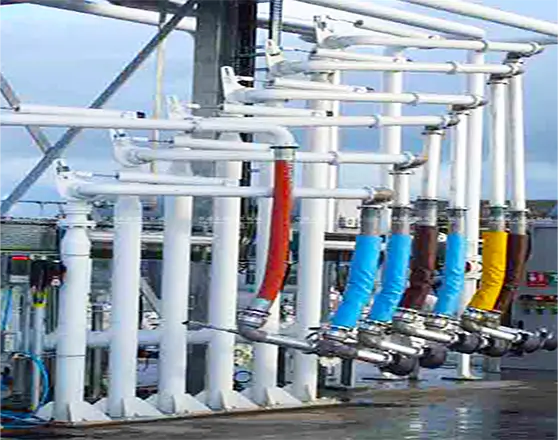
A buyer searching for a petroleum loading arm supplier usually needs equipment for a depot, tank farm, truck bay or rail loading point where vehicle position, sealed transfer, vapor handling, access and preset loading may all affect the order. Yuanda Machinery’s land loading arms, loading arm accessories and batch loading control systems give petroleum buyers a real product base for reviewing loose arms and wider loading packages.
Petroleum loading can look familiar, which makes it easy to oversimplify. A buyer may ask for a top loading arm or a bottom loading arm without explaining the lane, tanker fleet, compartment arrangement, access platform or control expectation. A good supplier should ask those questions before confirming model, price and delivery scope.
The supplier should also ask whether the buyer is building a new bay or replacing old equipment. New construction can design the arm, platform and skid together. Replacement work must respect existing supports, traffic patterns and operator habits. These two procurement situations should not be handled with the same short form.
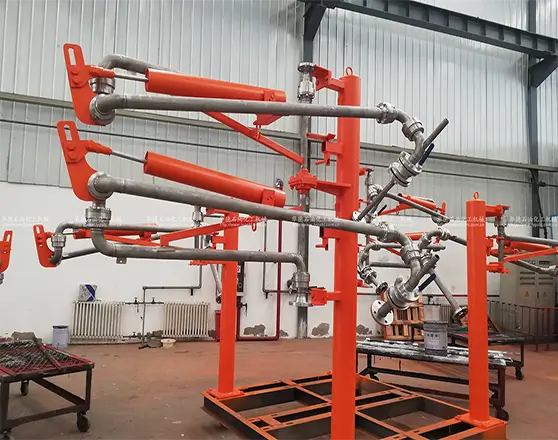
Top loading and bottom loading solve different depot problems. Top loading depends on platform height, operator access, drop pipe and the position of the tank opening. Bottom loading depends on adapter height, lane width, coupler movement and sealed connection. The supplier should identify the route first, then choose the arm family and accessory package.
In a mixed depot, both routes may exist. One bay may use AL1512 top loading and another may use AL2404 or AL2503 bottom loading. The buyer should not treat all petroleum arms as one group because the daily operation and service parts differ. The supplier’s route file should keep each bay clear.
A top petroleum loading arm should be reviewed with the platform and tanker opening. The buyer should confirm whether operators can reach the opening safely, whether folding stairs are needed, and how the arm parks after loading. If the site handles different tanker heights, the supplier should understand that variation before production.
A bottom petroleum loading arm should be reviewed around the adapter connection and lane movement. The supplier should ask where the tanker stops, how the coupler reaches the adapter, whether more than one arm operates in the lane, and whether the parked position blocks traffic or maintenance access.
Many petroleum depots need more than an arm. Yuanda’s batch loading control systems include batch controller, host computer management system and automatic quantitative loading system. If the buyer needs preset quantity, card-based loading, management records or skid-mounted loading, the supplier should identify whether those items are part of the same project or a separate control package.
A batch control discussion should not be added after the arm layout is frozen. The arm, meters, valves, control cabinet, operator station and truck position can affect each other. The buyer should ask whether the supplier can coordinate the physical loading point with the control boundary so the station works as a real depot system.

Preset loading changes the operator’s workflow. The buyer should ask where the operator authorizes loading, where information is displayed, how the arm is connected, and what happens when a compartment is finished. A supplier that understands both arms and control equipment can help the buyer avoid a station where mechanical and control layouts fight each other.
| Depot question | Supplier should verify | Related Yuanda equipment |
|---|---|---|
| Top or bottom loading? | Platform, adapter, reach and parked position. | Land Loading Arms |
| Preset quantity required? | Batch controller, management system and control boundary. | Batch Loading Control Systems |
| Accessories included? | Swivel, cap, breakaway, drain and coupler route. | Loading Arm Accessories |
| New or replacement bay? | Existing supports, traffic lane and operator habit. | Project references |
A petroleum loading arm supplier should identify accessories by bay and route. Swivel joints, sealing caps, breakaway valves, drain pans and couplers should not be shipped as a loose accessory bundle without clear labels. In a multi-bay depot, similar parts can be mixed easily, and that confusion can delay installation or future maintenance.
The supplier should also make the service record easy to use. If Bay 1 uses a top loading arm and Bay 2 uses bottom loading, the order record should connect each arm with its accessories, drawing, packing marks and future spare part references. This helps distributors and depot owners avoid vague replacement orders later.
Lane numbers or bay names are often how depot staff identify equipment. The supplier should use those names in the drawings, packing list and service record. A maintenance request that says Lane 3 bottom arm needs a swivel item is much clearer than a request based only on an old product photo.
For broader planning, buyers can compare the bottom loading arm manufacturer guide, the top loading arm supplier guide and the fluid loading equipment supplier guide. Petroleum depots reviewing controls should also open Yuanda’s batch loading control system category.
A strong supplier turns a vague petroleum loading request into a route file: bay number, top or bottom route, arm family, access equipment, accessory scope, control boundary, packing marks and site work. That file helps purchasing compare offers, engineering review layout, operators use the station and maintenance identify future parts.
Before approval, the buyer should ask whether the proposed equipment can be installed without hidden decisions. If support, adapter position, control boundary or accessory scope is still unclear, the order should remain open for technical review. A fast quote may feel convenient, but a clear route file is more useful at a real depot.
For distributors, the supplier’s questions can become a sales advantage. Asking about bay layout, vehicle fleet, control need and accessories shows the end user that the distributor is not just forwarding a product name. It is helping define a working petroleum loading point.
The final supplier selection should therefore reward layout understanding. Price still matters, but petroleum loading equipment lives in daily operation. A supplier that helps the buyer avoid awkward access, unclear controls and mixed accessory records is contributing real project value.
A depot with several truck lanes should also ask how the supplier will label each arm and accessory package. Similar arms and couplers can be confused during installation when several lanes are built together. Lane-based packing marks and drawings reduce that risk and make later service requests easier to understand.
If the depot plans to add card-based loading or host computer management later, the supplier should record the first-stage control assumptions. The buyer may choose to purchase arms first and controls later, but the layout should not make the future control route difficult. A short note during the first order can prevent expensive changes later.
Petroleum loading buyers should also discuss cleaning, drainage and parked position. A bottom arm that drips into the wrong place or a top arm that blocks the platform after loading creates daily frustration. Accessories such as drain pans or sealing caps should be reviewed through the actual station habit.
For replacement projects, the supplier should ask whether the buyer wants the same operation or an improved one. Some old depots were designed around vehicles that are no longer common. If tanker dimensions or loading practices changed, the new arm should be reviewed against current operation, not only the old support location.
A petroleum loading arm supplier should also make clear when civil or electrical work is outside the factory supply. Foundations, support steel, wiring, control cabinets and local installation labor can affect schedule. A buyer who sees these boundaries early can prepare the site before the shipment arrives.
Distributors should use the same route logic when quoting petroleum arms. Ask whether the customer needs top loading, bottom loading, preset quantity, vapor-related accessories or a simple replacement. A distributor that forwards only pipe size and quantity may receive a quote that misses the real depot problem.
Maintenance records should be built from the beginning. Each lane should have arm family, accessory list, control relationship and spare part references. When a future swivel, cap or coupler is needed, the depot can identify the correct item from the lane record instead of comparing old photos.
The buyer should ask the supplier to list unresolved details before production. Missing adapter height, vehicle range, control boundary or platform condition can all change the order. A supplier that names open items helps the buyer keep the project under control.
A final petroleum loading proposal should be practical enough for a site meeting. The depot team should be able to point to each lane, identify the arm route, see the control boundary, understand accessories and know what work remains local. That is the level of clarity that turns a supplier into a project partner.
A depot buyer should also ask how the supplier handles multi-product service. Some depots load gasoline, diesel or other petroleum products through different lanes or schedules. The supplier should not assume that one accessory package or seal route covers every product without checking medium, operation and cleaning expectations.
If the project includes railcar loading as well as truck loading, the supplier should separate those routes in the file. Rail positions, reach, access and loading sequence can differ from road tanker lanes. Keeping the records separate helps the buyer avoid using a truck loading assumption for a rail loading point.
For skid-mounted petroleum loading, the buyer should ask how the skid, controller and arm will be named in the same project. A control cabinet label that does not match the bay drawing can confuse operators and maintenance staff. The supplier should help keep mechanical and control naming consistent.
The supplier should also define what information belongs in the site acceptance check. This may include arm movement, parked position, accessory placement, visible leaks, control workflow and package completeness. The buyer’s own procedure controls final acceptance, but supplier documents can make the check more organized.
If the depot has limited shutdown time, packing and installation clarity become even more important. The receiving team needs to know which crate belongs to which lane and which accessory belongs to which arm. A petroleum loading arm supplier that prepares this information helps reduce schedule pressure.
A good proposal should also avoid hiding exclusions. If foundations, bolts, local piping, wiring or installation services are not included, the supplier should state that. Buyers can prepare those items only when they know the boundary early.
The final petroleum loading arm supplier should leave the buyer with a station record that can be used the next time the depot expands, replaces a part or trains new operators. That record is part of the value of the purchase.
If the depot purchases in stages, the supplier should mark which decisions belong to the current stage and which are reserved for later. This is useful when a buyer installs arms first, then adds batch controllers, host computer management or extra lanes after the site begins operating.
The buyer should also ask how route changes will be documented. A new tanker fleet, different compartment practice or added product line can change how the arm is used. Keeping revision notes with the lane record makes future upgrades easier to judge.
