

Get quote
Get Free Consultation!
We are ready to answer right now! free consultation.
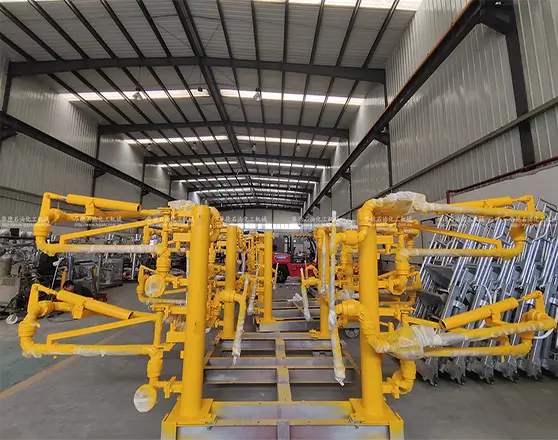
A bottom loading arm manufacturer should help the buyer solve sealed tanker loading as a complete working route. Bottom loading can reduce work at height and support cleaner transfer, but the arm still has to match adapter height, tanker parking, coupler movement, medium behavior and any control or metering requirement. Yuanda Machinery lists AL2404, AL2503 and AL2543 bottom loading arm families within its land loading arm range, giving buyers several real product routes to evaluate.
The buyer should not approve a bottom loading arm only because the site wants a lower connection. The arm must move naturally from parked position to adapter, connect without forcing the coupler, allow safe disconnection and return without blocking the lane. If several products or compartments are loaded nearby, the manufacturer also has to review spacing and crossover. These details decide whether bottom loading becomes easier for operators or only moves the difficulty from the top of the tanker to the side of the lane.
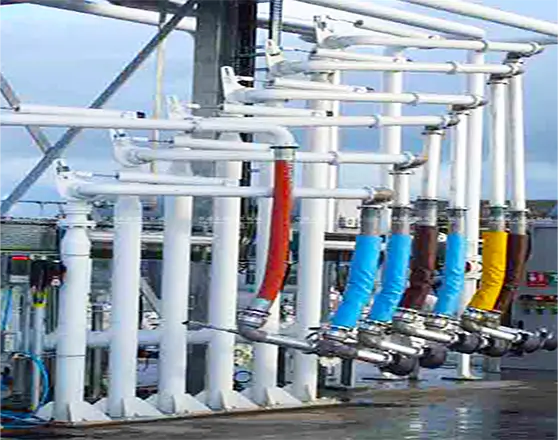
The tanker adapter position is the heart of the bottom loading decision. The manufacturer should ask for adapter height, horizontal distance from the rack, vehicle stopping tolerance and whether more than one compartment or product route is present. A bottom loading arm that reaches one ideal adapter position may still be poor if the fleet varies. The buyer should ask for movement review across the normal vehicle range, not only one clean drawing position.
The coupler path deserves the same attention. The operator should not have to pull the arm through an awkward angle or hold weight while making the connection. If the arm, hose, swivel and coupler route are not balanced, the site may experience slower loading and faster wear. A manufacturer should discuss these points before naming a bottom loading model because they affect daily operation more than a simple pipe size does.
AL2404 and AL2503 bottom loading arms should be compared through the connection envelope: where the tanker stops, how the coupler moves, how the arm parks and how much clearance remains around the lane. A buyer should ask the manufacturer to explain why one family is suitable for the bay rather than assuming that every bottom loading arm is interchangeable. The site layout, not only the product title, should drive the selection.
When the same station may load and unload, the manufacturer should clarify both operating directions. Loading and unloading can create different flow, drainage, valve and operator expectations. The buyer should ask whether the arm, accessory route and skid control logic are suitable for both directions or whether the project should separate loading from unloading. That question matters for depots and chemical plants where equipment is expected to support more than one operating mode.
Bottom loading is often chosen for sealed transfer, but the medium still decides many technical details. Petroleum service, chemical liquids, LPG, ammonia, chlorine and cryogenic products do not share the same sealing, material or control assumptions. The buyer should give the manufacturer medium, temperature, pressure, flow rate, connection standard and any vapor or gas return expectation. If the service moves into LPG, LNG or toxic media, the buyer should review the relevant special product family instead of treating it as ordinary bottom loading.
The manufacturer should also explain how drainage and clean disconnection are handled. A bottom loading station that leaves product in the wrong place can create housekeeping and safety problems. Accessories such as drain pans, dry disconnect valves, sealing caps and breakaway valves may belong in the same decision. The buyer should ask why each accessory is included and what operating problem it solves.
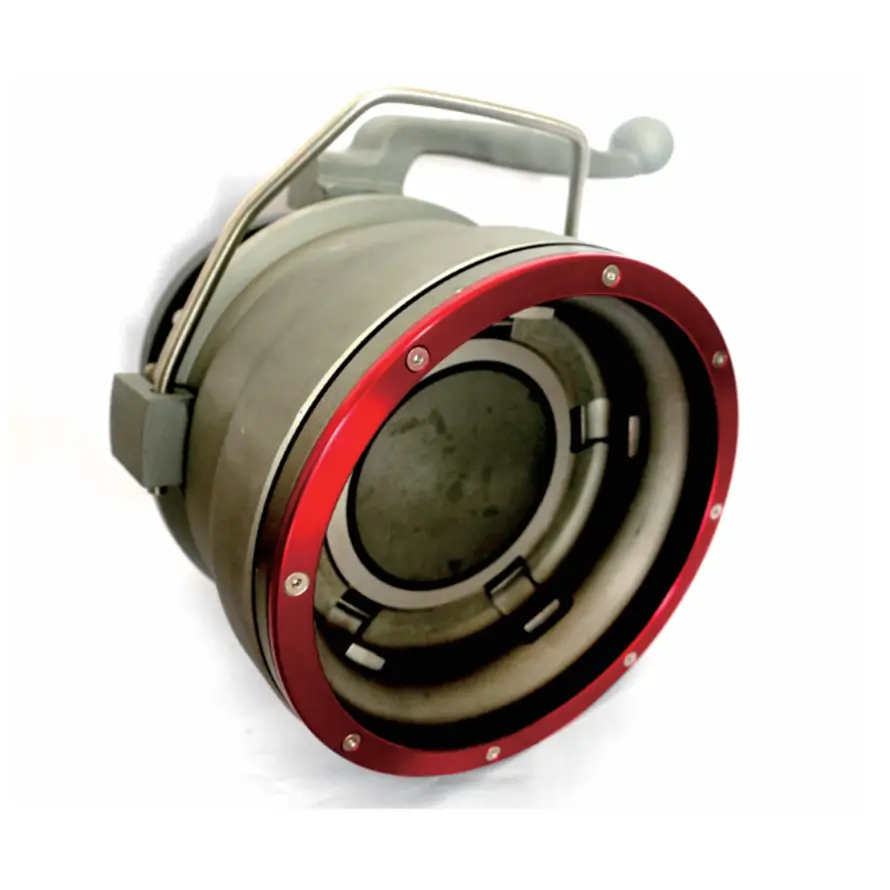
Yuanda lists breakaway valves, dry disconnect valves, drain pans, sealing caps and swivel joints under loading arm accessories. A buyer should not select those items from a generic accessory list. A breakaway valve may be important for drive-away risk, while a dry disconnect valve may help with cleaner handling during connection and disconnection. The manufacturer should tie each item to the medium, vehicle route and operating habit of the bottom loading bay.
| Bottom loading decision | Manufacturer should verify | What the buyer avoids |
|---|---|---|
| Adapter position and tanker stopping | Height, reach, fleet variation and lane clearance. | Wrong arm movement after installation |
| Coupler and swivel route | Connection angle, operator effort and parking position. | Slow operation and early wear |
| Medium and sealing expectation | Material, vapor route, drainage and accessory needs. | Treating special service as ordinary loading |
| Skid or metering requirement | Valve sequence, batch controller and management interface. | Control added too late in the project |
Bottom loading projects should also consider what happens when the tanker is not perfectly aligned. The manufacturer should not design only for the best parking position. It should ask how much normal variation exists and whether the arm can still connect without excessive pull or twist. This matters in busy depots where drivers may not stop at exactly the same point every time.
The buyer should ask the manufacturer how the arm behaves when several bottom loading points are active. A compact loading island may have multiple arms, hoses, couplers and operators in the same area. If the arms cross awkwardly or park into the operator path, daily work becomes slower. The movement review should include adjacent arms, not only one isolated product.
For sealed tanker loading, the accessory package should be described in operating language. The buyer should know which part protects against drive-away risk, which part supports clean disconnection, which part handles drainage and which part belongs to parking or storage. That kind of explanation helps operations staff understand the equipment instead of treating accessories as mysterious line items.
A manufacturer should also ask whether the site expects future fleet changes. If the buyer may add different tanker types later, the connection envelope should be reviewed with enough care to avoid a narrow solution. This does not mean overbuilding every bottom loading arm. It means separating reasonable future variation from unknown conditions that should require a new review.
For chemical bottom loading, material assumptions should be kept with the order record. If lining, special sealing or a particular drainage routine is selected, the future maintenance team should know why. Without that note, a later replacement part may be ordered as if the arm were ordinary petroleum service, which can create avoidable compatibility problems.
Export packing also needs bottom-loading-specific discipline. Couplers, seals, drain parts and breakaway components should be marked by lane and product route. When several bottom loading arms arrive together, the installer should not have to decide which loose accessory belongs to which arm by shape alone. Clear marking protects the project when the site team is under unloading and installation pressure.
Many bottom loading stations need more than the arm. Yuanda’s bottom loading skid and batch control products can become relevant when the buyer needs preset delivery, loading records, metering or a card-based loading workflow. The manufacturer should ask whether the bottom loading arm is a loose replacement or part of a skid-supported system. That difference changes the quote, the documentation and the installation plan.
A skid-supported bottom loading project should show how the arm, valves, meter, controller and operator sequence work together. If these pieces are quoted separately without interface notes, the installer has to solve the logic in the field. The buyer should ask which parts arrive assembled on a skid, which parts ship loose, and which local site items must be prepared before installation.
The delivery file should name each bottom loading lane, product route, arm family, accessory package and control boundary. This is important when the same site has several bays or several media. If the skid and arm arrive with unclear labels, the field team may install the right components in the wrong sequence or confuse accessory packages between lanes. Clear labeling is a small factory action that protects the project schedule.
Buyers comparing supplier routes can read the truck loading arm supplier guide and the land loading arm manufacturer guide before approving a bottom loading package. If the order includes broader control and fluid transfer equipment, the fluid transfer equipment supplier guide gives a useful package-level decision path.
After commissioning, the buyer will need a clear record of seals, swivels, couplers, breakaway parts, drain components and skid interface items. The manufacturer should identify which parts belong to the approved arm family and which parts are lane-specific. This prevents maintenance teams from ordering by appearance or copying a part from another bottom loading bay that handles a different product.
Before production, the buyer should confirm the tanker adapter data, bottom loading arm family, medium assumptions, accessory list, skid boundary, packing marks and site-prepared items. If any of these points remain open, the quote should stay preliminary. A bottom loading arm order is strongest when the manufacturer removes field assumptions before the equipment leaves the workshop.
The buyer should also ask how the manufacturer handles replacement discussions after the first operating period. Bottom loading arms may need seal, swivel, coupler or dry disconnect service depending on medium and loading frequency. If the original order record is clear, the maintenance team can ask for the correct part by lane and arm family. If the record is vague, the site may send photos and hope the supplier can identify the part from appearance.
For a contractor, the bottom loading arm file should be shared with the commissioning team before first operation. The team should know the intended connection route, drainage method, accessory purpose and any skid control sequence. This helps operators understand why the arm was selected and reduces the chance that a correct piece of equipment is used in the wrong way.
A distributor stocking bottom loading arms should separate common tanker service from project-specific service. Standard ambient routes may repeat, but chemical, gas-related, heated or special sealing routes should be checked against a project file before resale. A manufacturer that helps the distributor define this boundary protects both the distributor and the end user.
The final buyer decision should be based on the whole bottom loading route: tanker adapter, coupler movement, medium, accessories, skid boundary, packing and future service. When those details are written clearly, price comparison becomes easier because each offer can be checked against the same working conditions.
The buyer should also ask whether the selected bottom loading arm can be inspected without removing nearby equipment. A clean maintenance route helps the site keep seals, swivels and couplers in serviceable condition.
If the bottom loading bay will be copied later, the manufacturer should record which dimensions and medium assumptions made the first bay successful. The next bay can then reuse proven choices only when the site conditions truly match.
A final approval meeting should include operations and maintenance, not purchasing alone. Those teams can often see connection or service issues that are easy to miss in a quotation table.
Their comments can prevent costly field corrections.
