

Get quote
Get Free Consultation!
We are ready to answer right now! free consultation.
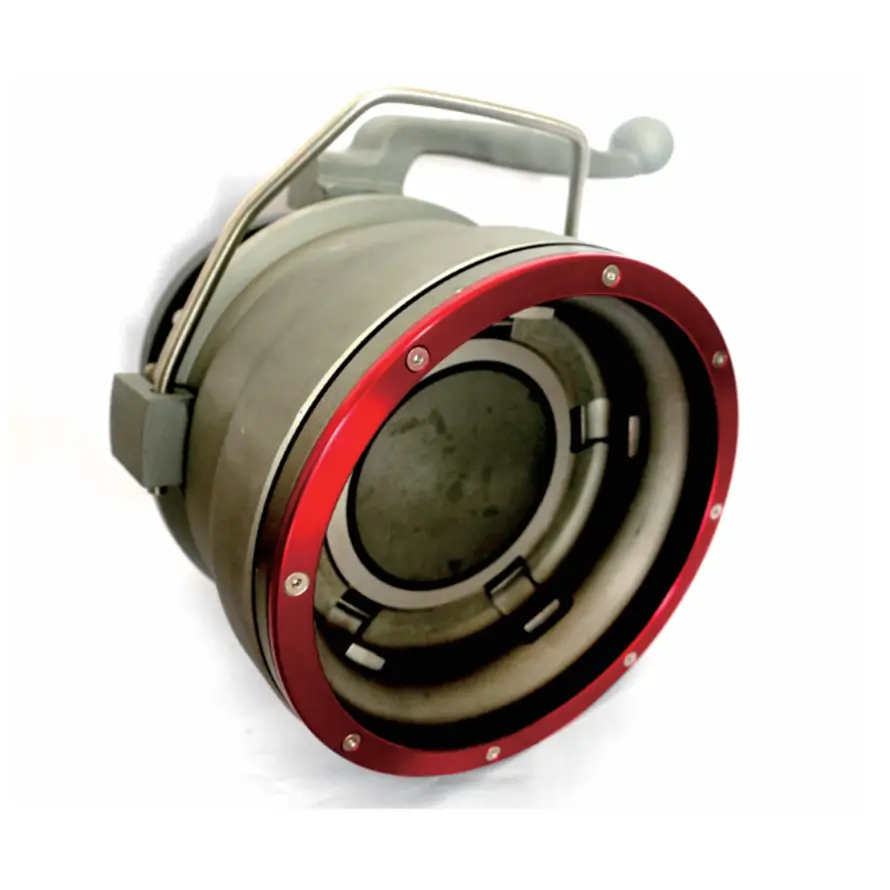
A buyer looking for a dry disconnect valve supplier usually wants a cleaner and more controlled transfer route, not just another valve in the spare parts store. The first decision is where the dry disconnect valve will sit: at the end of a loading arm, beside a skid-mounted loading system, on a chemical transfer route, or as part of a station upgrade where operators need cleaner disconnection after loading. Yuanda Machinery lists dry disconnect valves under its loading arm accessories range, so the review can stay connected to loading arms, breakaway valves, sealing caps, drain pans and swivel joints.
Dry disconnect valves are most useful when the buyer can explain the operating problem. Is the route leaving liquid around the connection point? Is the plant trying to reduce manual draining? Does the operator need a cleaner way to disconnect a hose or arm after transfer? A supplier should ask these questions before confirming the valve. A correct product name without a clear route can still lead to a poor buying decision.
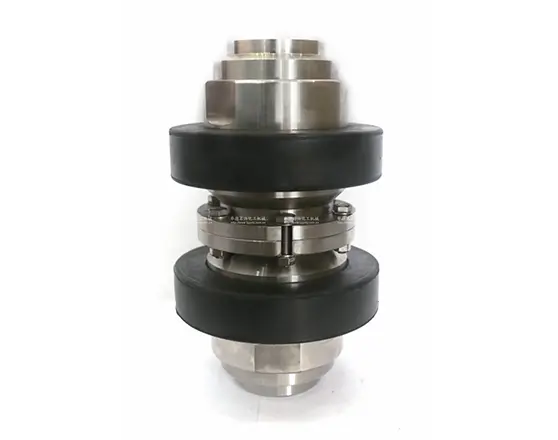
The supplier should ask whether the valve belongs to a top loading arm, bottom loading arm, skid-mounted package, chemical route, petroleum route, LPG-related transfer or a maintenance replacement. This route-first discussion helps the buyer avoid treating a dry disconnect valve as a universal coupler. The valve may be one part of a larger station where arm movement, residue handling and operator sequence all matter.
A depot buyer may need a dry disconnect valve on a routine loading lane where operators connect and disconnect many times per day. A chemical plant may need the valve discussed with cleaning practice and medium contact. A project contractor may need the valve written into a skid package before fabrication. These situations require different evidence, even when the product title is the same.
The supplier should ask what equipment the dry disconnect valve connects to. If it is used with an AL1512 top loading arm, an AL2404 bottom loading arm, a skid-mounted bottom loading route or a chemical loading package, the end connection should be reviewed with the whole route. A valve chosen only by size can miss the arm position, operator movement or cleaning expectation that caused the buyer to request it.
Buyers sometimes discuss dry disconnect valves and breakaway valves in the same meeting because both are accessories near the connection point. They solve different problems. A dry disconnect valve helps manage cleaner disconnection. A breakaway valve is tied to movement-related separation. A supplier should keep those purposes separate and help the buyer decide whether one or both belong in the route.
The supplier should ask what medium is being transferred and how operators finish the loading cycle. Petroleum products, chemical feedstocks and other industrial liquids may require different route assumptions. The buyer should describe whether operators drain the arm, where residue is collected and whether the valve is part of a new project or a maintenance upgrade. These details help the supplier keep the recommendation practical.
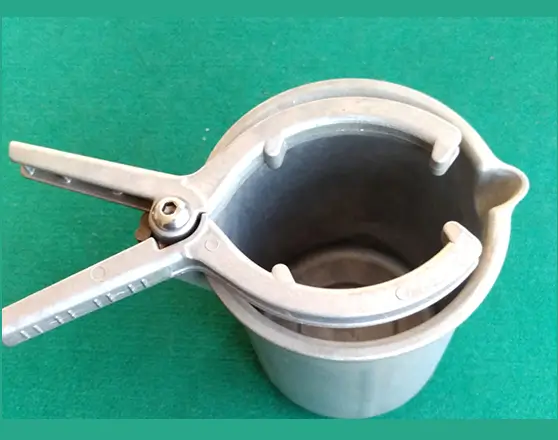
A drain pan may still be useful even when a dry disconnect valve is supplied. The valve supports cleaner disconnection, while a drain pan helps organize residual handling around the station. If the buyer expects the valve to remove every housekeeping issue, the supplier should correct that expectation. Good accessory supply explains what each part does and what still depends on operation.
When the valve is used on a chemical route, the buyer should not store the record as a general spare. The file should name the medium, connection position, arm or skid route, and any related accessories. This does not create a claim about a specific material grade unless the site record confirms it. It simply keeps the route traceable for future maintenance and replacement.
| Supplier question | Buyer should provide | Why it matters |
|---|---|---|
| Where does the valve sit? | Arm, skid, hose or station route. | Confirms the actual transfer point |
| What problem is being solved? | Residue, cleaning, disconnection or replacement issue. | Keeps the valve purpose clear |
| Which medium is involved? | Product name and service notes already known. | Avoids generic accessory selection |
| How will it be identified later? | Packing mark, lane and route file. | Supports future spare orders |
A valve can be technically correct and still cause field confusion if the package is not clear. When several accessories ship together, the dry disconnect valve should be marked by route. If the order also includes sealing caps, breakaway valves, drain pans and swivel joints, the receiving team should not have to guess which item belongs to which loading lane.
For skid-mounted loading systems, the supplier should explain whether the dry disconnect valve is installed on the skid, shipped loose, or prepared for local installation. This matters during inspection and handover. Buyers can compare the valve discussion with Yuanda’s skid-mounted loading systems and batch loading control system guide when the valve belongs to a controlled loading island rather than a single arm.
A replacement request should state why the old valve is being replaced. The cause may be routine wear, route modification, changed operating practice, damage, or a new requirement for cleaner disconnection. The supplier can then decide whether a direct replacement record is enough or whether the buyer should review the whole loading route before ordering.
A useful dry disconnect valve discussion follows the operator at the end of loading. What is closed first, where is the connection released, and where does remaining liquid go? These last three actions explain why the valve is needed and whether supporting accessories are required. A supplier that understands this sequence can keep the recommendation practical rather than treating the valve as a stand-alone item.
For a terminal with repeated truck loading, the sequence may focus on speed and housekeeping at the loading bay. For a chemical transfer point, the same discussion may focus on how operators avoid open handling after disconnection. For a skid-mounted system, the buyer may want the valve positioned so the assembled package remains logical for inspection and operation. Each situation uses the same product family but has a different route reason.
Receiving and inspection teams should know how to confirm the valve package before installation. The supplier should mark the valve by route and include any related accessory notes. If the receiving team opens a crate and sees dry disconnect valves, drain pans and breakaway valves together, it should be clear which part solves which station problem. This prevents the installer from treating all connection accessories as interchangeable.
A dry disconnect valve does not replace every operating control around a loading point. It does not remove the need for good arm movement, correct connection height, clear parking, or proper residue handling where those issues remain. The supplier should write these boundaries into the conversation when relevant. Buyers appreciate this because it keeps the valve from being oversold as a cure for every station problem.
When the buyer is adding the valve to an existing loading arm, the supplier should ask whether the arm still parks correctly and whether the operator can reach the connection safely. If access is the main issue, the buyer may also need to review a platform or folding stair. If residue collection is the main issue, the drain pan and operating sequence may matter as much as the valve itself.
The final valve record should include the route name, arm or skid connection, medium, accessory purpose, packing mark and reason for selection. That record makes future spare purchasing easier because the next buyer can see the operating reason, not only the product name. It also gives maintenance a better basis for deciding whether a later request is a direct replacement or a route change.
A supplier that prepares this level of record helps the buyer build a cleaner loading station over time. The valve becomes part of a controlled route, connected with loading arms, skids, drain pans and breakaway protection where those items are relevant. That is more valuable than a quick quote that leaves the operating problem unclear.
If the buyer is comparing several suppliers, this record discipline is a useful filter. The stronger supplier will ask how the valve is used, where it is installed and how it will be identified later, while a weaker supplier may only confirm a size and price. For industrial loading routes, the first approach is usually safer for long-term operation.
A strong supplier connects the dry disconnect valve with the loading route, medium, operator practice, accessory package and future spare part file. Buyers can compare the valve with Yuanda’s land loading arms, loading arm accessories and the fluid transfer equipment supplier guide when preparing a complete station request.
Before approving the purchase, the buyer should read the valve record as if a maintenance person will use it two years later. If that person can identify the route, medium, connection position and accessory purpose without calling the original salesperson, the supplier has prepared a useful record. If the record depends on memory, the request still needs clarification before shipment.
