

Get quote
Get Free Consultation!
We are ready to answer right now! free consultation.
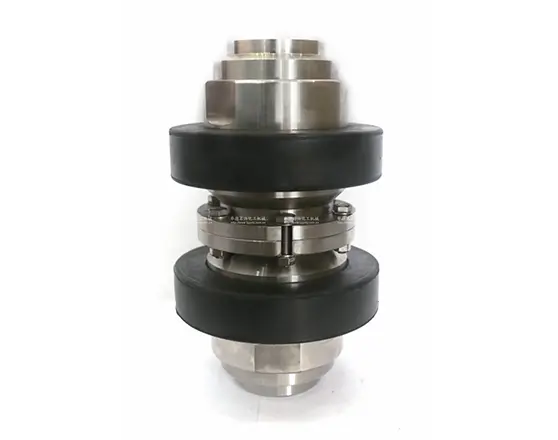
A loading arm accessories supplier should help depot, terminal and chemical plant buyers identify the right part for the right loading route. Accessories are often ordered after the main equipment has been installed, so the supplier needs enough information to avoid wrong replacement parts. Yuanda Machinery lists swivel joints, breakaway valves, sealing caps, sealing rings, dry disconnect valves, drain pans and hose-type breakaway valves under its loading arm accessories range.
The buyer’s first step should be to define the equipment behind the request. Is the accessory used with an AL1512 top loading arm, an AL2404 bottom loading arm, an AL2543 loading and unloading arm, an LPG route, a liquid ammonia arm or a marine loading arm? A supplier that asks this question is protecting the buyer from ordering a part based only on appearance.
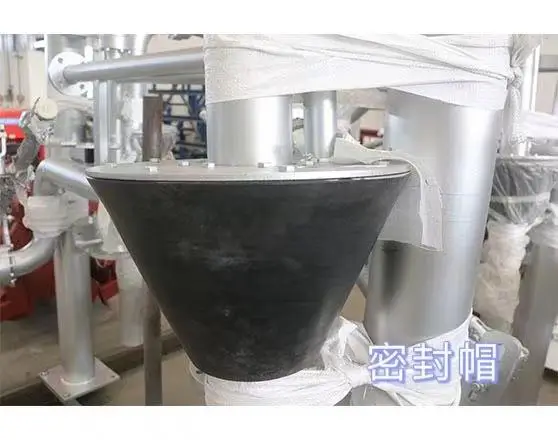
A supplier cannot responsibly confirm an accessory from a short product name alone. It should ask for the arm family, medium, connection position, operating route and whether the part is for new equipment or replacement. If the buyer has drawings or old packing lists, those should be used before relying on photos. This is especially important for sites with several lanes or several media.
For a distributor, the same discipline improves resale quality. Instead of stocking one mixed box of loading arm parts, the distributor should separate common requests by route: swivel joints for top loading arms, sealing caps for parked connections, breakaway valves for vehicle movement, dry disconnect valves for cleaner disconnection and drain pans for residue handling.
Pipe size is helpful, but it is not enough. The supplier should know medium, temperature condition, movement, seal expectation and connection behavior. A dry disconnect valve for one service route may not belong on another. A sealing ring for one arm family should not be assumed correct for a different route. The buyer should treat pipe size as one detail in a larger file.
When the buyer replaces an accessory, the supplier should ask for the original order record, drawing, route name or clear site photos. Old records are better because they capture the approved route, while photos can miss hidden assumptions. If records are unavailable, the supplier should state which information is still uncertain before confirming production.
Installation teams need to know which accessory belongs to which arm. If a shipment includes swivel joints, sealing caps, drain pans and dry disconnect valves for several loading stations, the supplier should mark packages by route or lane. The packing list should be useful on site, not only in an office file. This reduces sorting time and lowers the risk of putting a correct part in the wrong place.
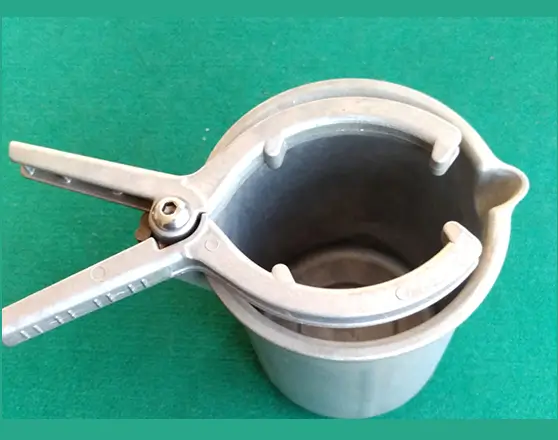
The supplier should also explain whether accessories ship assembled, loose or as replacement items. A breakaway valve may be tied to a specific route, while a cap or drain pan may be installed separately. Clear packing marks help receiving teams confirm the shipment before installation begins. They also help later maintenance teams understand what was supplied.
Drain pans and dry disconnect valves are often requested when buyers want cleaner disconnection or better station organization. The supplier should ask how operators finish loading, where residual liquid is handled and whether the accessory must be easy to inspect. This keeps the accessory discussion connected to daily operation rather than a generic product list.
| Supplier question | Why it matters | Useful buyer evidence |
|---|---|---|
| Which arm uses the accessory? | Different arms and media may need different parts. | Model, route name or drawing |
| Is this a replacement? | Old records reduce wrong-part risk. | Previous order or photos |
| How many stations are involved? | Package labels must prevent mixing. | Lane or berth list |
| What does the operator need? | Cleaning, sealing and movement affect accessory choice. | Operating notes |
A good accessory supplier helps buyers avoid the same identification problem next time. The first order should record accessory name, arm family, medium, route, drawing reference and packing mark. This simple file makes future service easier because the buyer does not have to restart the technical conversation for every seal, swivel or cap.
This record is valuable for project contractors as well. When a contractor hands over a loading station, the accessory list should stay with the mechanical equipment documents. Operators use it for daily inspection, maintenance uses it for spare parts, and purchasing uses it for repeat orders. A supplier that prepares records well supports the equipment beyond delivery.
Petroleum, chemical, LPG, LNG and ammonia services should not be mixed inside one spare part record. Even when parts look similar, the reviewed service may differ. A supplier should encourage buyers to label parts by route and medium. This makes it easier to maintain safer and cleaner loading operations across a mixed facility.
Receiving work is often where vague accessory orders become expensive. A depot team may open a package that includes sealing caps, dry disconnect valves, drain pans and swivel parts for several lanes. If every small item is labeled only by general product name, the team has to stop and ask which part belongs where. A supplier that marks each item by route, lane or arm family makes the shipment easier to check before installation begins.
For a terminal expansion, the buyer should ask the supplier to separate new equipment accessories from maintenance spares. New equipment parts may belong to a specific loading arm package, while maintenance spares may be stored for future service. Mixing them in the same record can confuse the handover. Yuanda’s project pages can help buyers think through how equipment packages are described when a station is delivered as a complete route rather than isolated parts.
A distributor may want to place a bulk order for common accessories, but the supplier should still group the list by route. Swivel joint requests for top loading, bottom loading and marine-related service should not be merged into one unnamed line. Sealing caps and sealing rings should also be separated by where they are used. This makes resale and repeat support more reliable, especially when the distributor supplies more than one industrial customer.
Operators do not usually read long purchasing records, so the accessory handover should be practical. A short route note can tell operators which cap protects which parked connection, which drain pan belongs near the loading point, and which dry disconnect valve is tied to cleaner disconnection. When the supplier prepares that record, the accessories become part of the operating routine instead of a loose spare box.
A supplier should also explain when an accessory is not enough to solve the buyer’s problem. If a site has poor arm movement, a new seal or cap will not fix the working envelope. If residue is caused by operating sequence, a drain pan alone may not solve housekeeping. If vehicle movement risk is unclear, a breakaway valve request should trigger a route review. These comments make the supplier more useful than a simple parts seller.
When the accessory order is tied to a larger loading package, buyers can compare it with Yuanda’s skid-mounted loading systems and fluid loading equipment supplier guidance. The purpose is not to add extra paperwork. It is to make sure the small parts support the same operating route as the main equipment.
A strong supplier should also keep substitution decisions visible. If an exact old accessory record is missing and the supplier proposes a replacement route, the buyer should know what evidence was used. Was the decision based on the original drawing, the medium, the arm family, the connection position, or only a photograph? Clear substitution notes protect the buyer when the same question returns later.
For maintenance stocking, the supplier can help the buyer separate fast-moving parts from route-specific parts. Sealing rings and caps may be kept closer to routine service, while breakaway valves or dry disconnect valves may need more controlled approval. This distinction keeps the spare shelf useful without encouraging unreviewed substitutions.
The buyer should also ask how the supplier will name accessories on invoices and packing lists. A generic line such as spare parts is weak. A route-based line helps accounting, warehouse staff and maintenance all keep the same reference after the original purchasing conversation is over.
If the supplier can provide that route-based wording before shipment, the buyer can approve the order with less uncertainty and keep the same wording in future spare part requests.
The best supplier asks enough questions to make the accessory request specific. It connects the accessory with the loading arm, medium, operator route, packing mark and future service file. Buyers can compare accessory needs with Yuanda’s land loading arms, marine loading arms and loading arm supplier guide when building a complete station record.
Before approving the purchase, the buyer should check whether a future maintenance person can identify the accessory without calling the original salesperson. If the route, arm family and accessory title are clear, the supplier has done useful work. If not, the order may still be too vague for long-term service.
