

Get quote
Get Free Consultation!
We are ready to answer right now! free consultation.
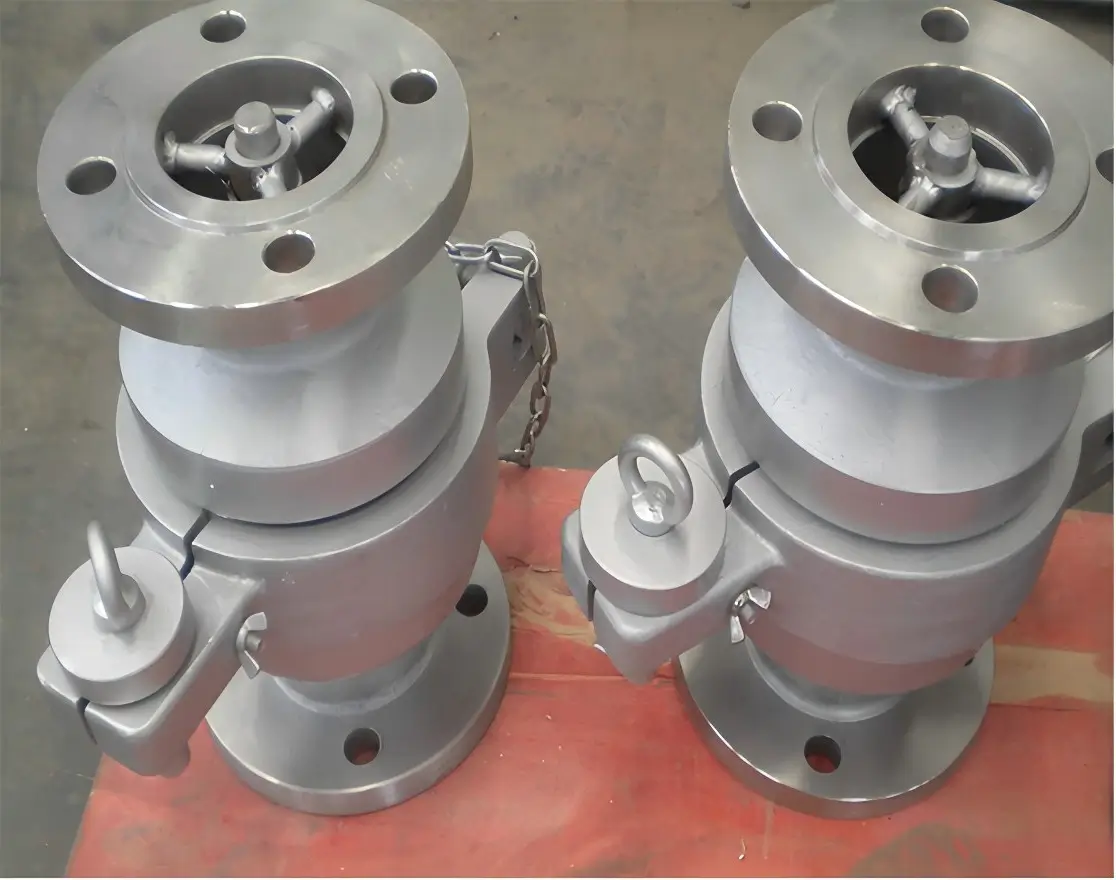
A buyer evaluating a loading arm breakaway valve manufacturer should begin with the transfer route and movement risk. A breakaway valve is not chosen only from a product name. It belongs to a loading arm, hose route, vehicle connection or terminal position where unintended movement may need controlled separation. Yuanda Machinery lists loading arm breakaway valve and hose-type breakaway valve (ERC-RG type) inside its loading arm accessories range.
The manufacturer should ask whether the breakaway valve is for a new arm package, a replacement part or a retrofit to an existing loading station. It should also ask whether the route is top loading, bottom loading, LPG, ammonia, chemical, petroleum or marine-related transfer. These route details help the buyer avoid treating breakaway protection as a universal accessory.
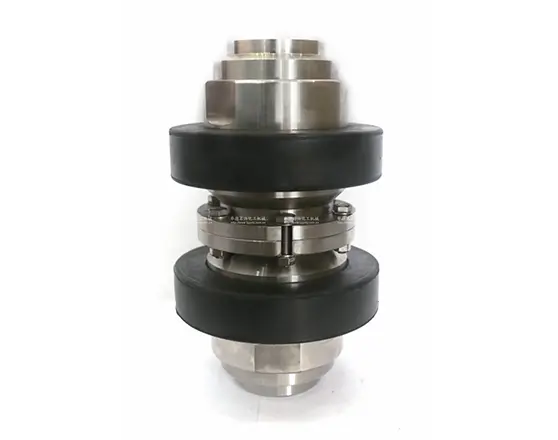
Movement risk comes from the vehicle, operator sequence, connection direction and site layout. The manufacturer should ask how the tanker or equipment is positioned, how the arm or hose moves, and where the breakaway valve is expected to sit in the route. If the buyer cannot explain the movement risk, the valve selection should remain under technical review.
A contractor replacing old equipment should describe why the breakaway valve is being added or replaced. Was there a site modification, a vehicle route change, an old valve replacement, or a new safety expectation? The manufacturer can then decide whether the same route assumptions still apply or whether the loading station needs wider review.
A loading arm breakaway valve should be reviewed with the arm envelope. The buyer should identify arm family, connection height, parked position and operator movement. If the valve is placed without checking the arm route, it may be technically suitable but poorly integrated into daily loading work.
A hose-type breakaway valve can belong to a different route discussion from an arm-mounted valve. The manufacturer should ask whether the buyer uses a hose route, loading arm route or combined arrangement. The distinction matters for installation boundary, movement direction and future spare part records.
The medium should be named in the route file. Petroleum, chemical, LPG, liquid ammonia and other services may require different supporting assumptions. The manufacturer should ask for the transferred product and the connected equipment, then write the breakaway valve into the route record. This helps buyers avoid a generic valve order that lacks service context.
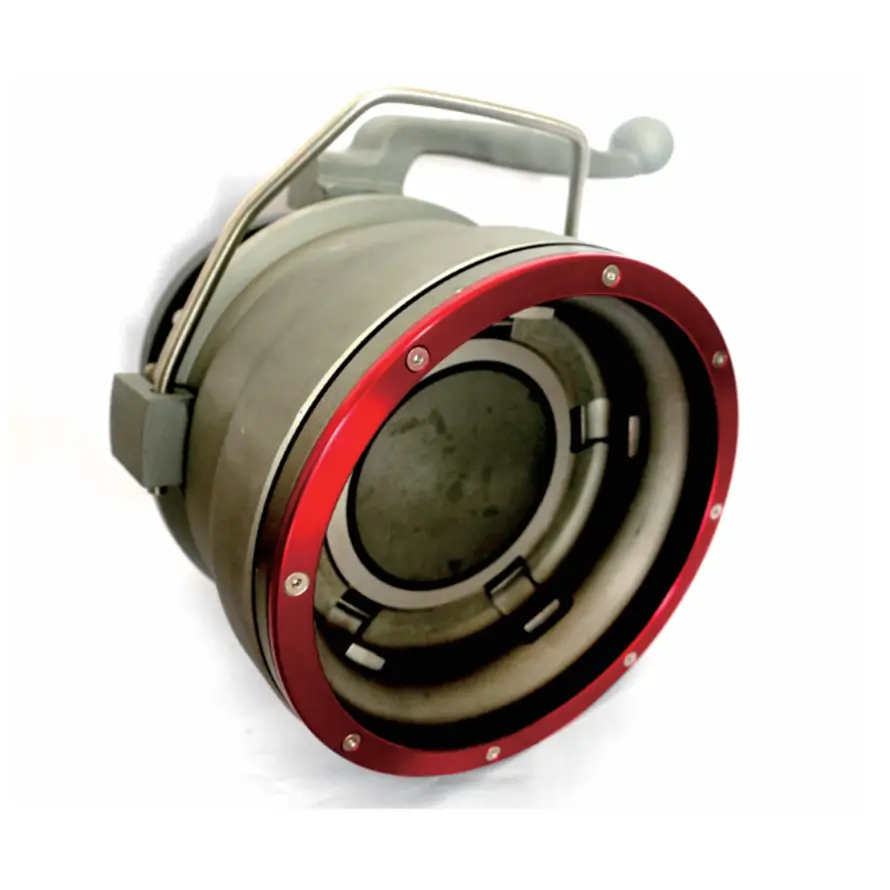
A breakaway valve may also be discussed with dry disconnect valves, sealing caps or drain pans. These accessories answer different station problems, so the manufacturer should separate their purposes. A dry disconnect valve may support cleaner disconnection, while a breakaway valve addresses movement-related separation. Buyers should not merge those purposes inside one vague accessory request.
The manufacturer should explain what is included with the breakaway valve and what remains part of the loading arm, hose, site piping or local installation. Clear boundaries prevent the buyer from assuming that every related fitting or support is included. They also help installation teams prepare the correct local work.
| Breakaway valve review point | Manufacturer should ask | Why it matters |
|---|---|---|
| Movement source | Vehicle, hose, arm or berth movement. | Valve route matches risk |
| Installation position | Arm-mounted or hose-type route. | Correct accessory family |
| Transferred medium | Product and service assumptions. | Better technical context |
| Replacement evidence | Old order, route drawing or site photos. | Less wrong-part risk |
A breakaway valve may need future inspection, replacement or route review. The original order should record valve family, arm or hose route, medium, installation position and drawing reference. If the buyer later changes the loading lane, vehicle type or accessory package, this record helps decide whether the breakaway valve route needs another review.
Packing should also identify the valve clearly. If a shipment includes breakaway valves, swivel joints, sealing caps and other accessories, the valve should be labeled by route. Similar accessory packages can be mixed easily on a busy site. Route-level labels help the receiving team and installation contractor work more confidently.
A photo can help identify an old valve, but it should not replace route evidence. The manufacturer should ask for the arm or hose route, medium and original record when available. If only a photo exists, the manufacturer should state which assumptions are still uncertain before production. That honesty protects the buyer from a wrong replacement.
A breakaway valve manufacturer should help the buyer prepare a handover record that operations, maintenance and purchasing can all use. The record should say where the valve sits, which movement risk it addresses, what medium is involved and which equipment remains outside the valve package. Without this handover, a future maintenance team may see the valve but not understand why that position was selected.
For a petroleum depot, the record may connect the valve with a truck loading lane and bottom arm movement. For a chemical plant, it may connect the valve with a medium route where compatibility and cleaning practice are reviewed. For a marine terminal, the buyer may need to separate arm routes from hose or dock equipment routes. Yuanda’s project references can help buyers think about breakaway valve records as part of a complete transfer package.
The valve file should capture the vehicle or equipment movement that led to the review. If a lane arrangement changes later, the buyer can compare the new route with the old movement note before reusing the same valve assumption. This is more useful than keeping only a product invoice. It helps the buyer decide whether replacement is straightforward or whether the route needs to be reviewed again.
A shipment may include breakaway valves, dry disconnect valves, sealing caps and swivel joints together. These products solve different problems, so packaging should not blur them. The breakaway valve should be marked by route and separation purpose. A dry disconnect valve should be marked by cleaner disconnection purpose. Caps and seals should be marked by parked or sealed position. Clear labels reduce field mistakes.
A manufacturer should also be careful not to present a breakaway valve as a cure for every site risk. If the issue is poor operator access, the buyer may need a platform or folding stair review. If the issue is residue after loading, a dry disconnect or drain pan may be more relevant. Buyers can compare the valve discussion with Yuanda’s loading platform products and chemical loading arm manufacturer guide when the route problem crosses equipment categories.
The final approval should read like a route decision, not a single-line spare part order. It should connect the breakaway valve with arm or hose position, transferred medium, movement risk, accessory boundary and route label. That record makes the valve easier to inspect, replace and discuss during future station modifications.
The manufacturer should also ask how the site wants to manage future spare valves. A valve kept for emergency replacement should be labeled differently from a valve assigned to a new route. If several media are handled at one facility, the buyer should avoid storing all breakaway valve records under a single general name. Route separation is part of practical safety management.
For a contractor preparing a handover package, the breakaway valve record should be readable by both site operations and the owner's purchasing team. Operations needs to know the route and purpose. Purchasing needs enough detail to reorder the right item. Maintenance needs the drawing or route reference. The manufacturer can support all three by making the original documentation specific.
If the buyer is adding a breakaway valve because of a past near miss or a changed vehicle pattern, the manufacturer should not need incident details. It does need the route change that affects selection. A simple note about lane movement, hose pull direction or arm position can be enough to keep the discussion technical and useful.
The buyer should treat that note as part of the approved equipment file. When the route is changed again, the note tells the next team why the original valve was chosen and what should be checked before repeating the same decision.
A manufacturer that supports this documentation is easier to work with during future replacements because it can compare the new request with the old route decision instead of rebuilding the whole discussion from scattered photos and short emails.
For buyers managing several loading points, that continuity matters. It keeps emergency replacement, routine maintenance and new project review connected to the same approved route language.
That makes later spare planning more disciplined and easier to audit.
A strong manufacturer explains how the breakaway valve fits the loading route, movement risk and accessory package. Buyers can compare Yuanda’s breakaway valve and accessory products with the loading arm manufacturer guide and petroleum loading arm supplier guide when preparing project documents.
Before approving the order, the buyer should ask whether the valve route can be understood by operations and maintenance without the salesperson present. If the route, medium and installation position are clear, the order has a useful service record. If those points are still vague, the manufacturer review should continue before shipment.
