

Get quote
Get Free Consultation!
We are ready to answer right now! free consultation.
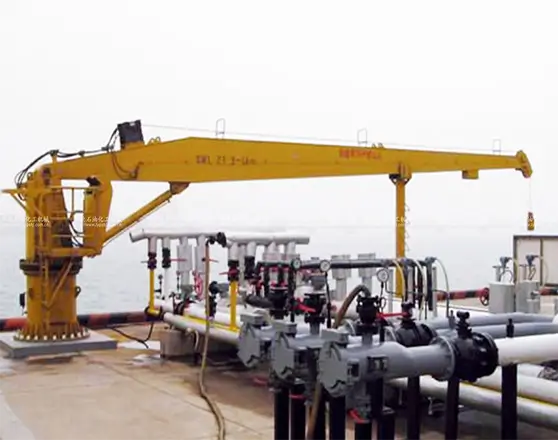
A marine hose crane supplier should help buyers describe the hose handling route before confirming equipment scope. The supplier needs to understand where hoses are moved, how the berth is arranged, what marine access equipment is nearby and whether the purchase is for a new terminal package or a retrofit. Yuanda Machinery includes hose cranes within marine terminal equipment together with marine gangways, quick release mooring hooks, marine loading arms and dock vapor recovery ship-shore safety devices.
The buyer’s first task is to explain the operating problem. Does the terminal need better hose movement, safer storage, easier maintenance handling or a clearer layout around existing equipment? A supplier that asks these questions can help define the correct route. A supplier that only confirms a crane title and quantity may leave important site conditions unresolved.
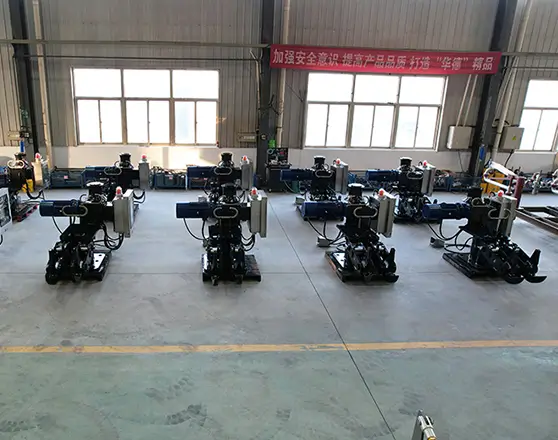
New berth work allows the hose crane route to be reviewed with gangways, hooks, loading arms and platforms before layout decisions are fixed. Retrofit supply starts with existing constraints. The supplier should ask which structures, pipes, access routes and equipment positions cannot move. This distinction changes the documents needed before approval.
For a new berth, the supplier may need a layout drawing and project equipment list. For a retrofit, site photos, old drawings and operator comments may be just as important. The supplier should not treat missing drawings as permission to guess. It should state what remains unconfirmed and what evidence is needed before shipment.
A buyer may request a hose crane because current handling is slow, crowded, hard to inspect or dependent on temporary lifting. The supplier should ask which problem matters most. A crane positioned for storage convenience may not be the same as one positioned for transfer operation. Clear pain points make the supply recommendation more useful.
When a terminal is still in planning, the hose crane route should be checked beside gangway access and mooring hook positions. This helps the buyer avoid equipment conflicts. If operators must walk between access equipment and hose handling points, the route should remain readable and free from unnecessary crossing movements.
The supplier should describe what is included in the hose crane package and what belongs to local site preparation. This may include the crane assembly, related components, package marks and documents, while foundations, local electrical work or berth modifications may be separate. The buyer should know the boundary before arranging installation.
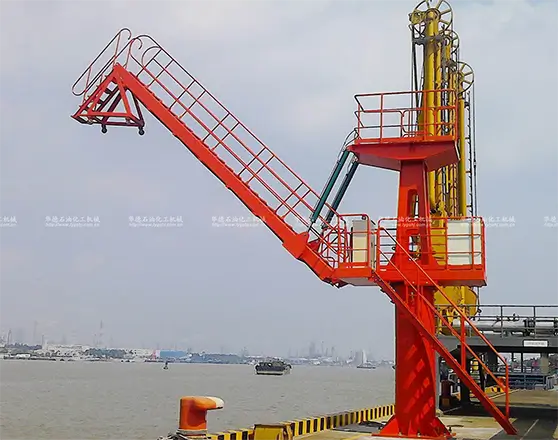
Package marks matter because hose cranes can ship with other marine terminal equipment. The supplier should label assemblies by berth position, route or installation sequence when possible. If the same shipment includes gangway parts or hook assemblies, the receiving team should not have to sort by appearance.
A good delivery record tells the owner what belongs to the supplier package and what belongs to site work. This helps maintenance and purchasing later. If a component needs replacement, the buyer can identify whether it was supplied with the crane or prepared locally. That clarity reduces delay during future service.
| Supplier question | Buyer response needed | Reason for asking |
|---|---|---|
| New or retrofit? | Project stage and existing site limits. | Sets review path |
| What does the hose route do? | Transfer, storage, maintenance or mixed use. | Matches operating need |
| What equipment is nearby? | Gangway, hooks, arms and vapor equipment. | Protects access route |
| What ships with the crane? | Package list and local work boundary. | Supports installation |
The best supplier records are not only for procurement. Operators need to know how the hose route works. Maintenance needs to understand inspection points and package references. Purchasing needs to know how to describe future parts or replacement questions. A supplier that prepares a readable record helps all three teams.
The record should also mention surrounding equipment where it affects use. If a gangway lands near the hose route, or a quick release hook set shares access space, the supplier should make that relationship visible. The purpose is not to take responsibility for every berth item, but to help the buyer keep the route understandable.
If the buyer cannot provide hose route information, the supplier should not pretend the review is complete. It can still prepare a preliminary discussion, but the final supply should wait for enough route evidence. This protects the buyer from approving a crane that later needs field changes because the berth was not understood.
The supplier’s work does not end with confirming the equipment title. The warehouse team needs package marks that identify berth position and assembly type. The site team needs documents that show where the crane belongs and what local work remains. The maintenance team needs enough information to discuss future service. One vague delivery note cannot support all of those teams.
A supplier should also ask whether the hose crane will arrive with other marine terminal equipment. If gangway assemblies, hook sets or loading arm components ship in the same project period, the buyer should require clear route names across the whole delivery. Yuanda’s project delivery examples are useful when buyers think about multi-equipment shipment and handover.
Some buyers order spare parts or related accessories together with a hose crane. The supplier should mark which items belong to the installed crane and which are stored for future use. If spares and project items are mixed in one list, the owner may lose track of what was installed and what remains in stock.
If the hose route crosses personnel access or mooring equipment, the supplier should ask for a layout review before final confirmation. This does not slow the project unnecessarily. It prevents the buyer from approving a crane that fits the product description but creates route conflict in the terminal.
The supplier should also help the buyer think about future changes. If a marine loading arm is added later, or if a gangway is relocated, the hose crane route may need to be checked again. A clear original record makes that future review easier.
For distributors, the same record discipline improves after-sales support. A distributor can identify the customer, berth route and crane package before requesting support from the manufacturer. That is much better than asking from a photo of a crane component with no route context.
The final supply file should say what was confirmed, what information came from the buyer and what remains local responsibility. Buyers can use that file during receiving, installation, maintenance and future procurement.
A supplier should also advise how to keep the hose crane record connected with related equipment. If the terminal later adjusts a gangway or moves a quick release hook set, the hose crane route may need review. The original file should make that relationship visible enough for the owner to recognize the need for another check.
For receiving teams, the package record should be practical. A crate label, drawing reference and berth position can prevent delays when several marine equipment deliveries arrive close together. The supplier should not rely on the installer to identify every assembly by sight.
For maintenance teams, the supplier should state which parts are part of the supplied crane package and which local items are outside the supplier record. This helps the owner ask the right party when inspection or replacement questions arise.
A buyer should be cautious if a supplier does not ask where the hose is handled. Without that route information, the supply may fit a general product category but still miss the terminal’s real operating pattern.
The best supply conversation ends with a hose route file that can be read by operations, maintenance and purchasing. That is what turns the crane from a stand-alone item into part of a reliable berth system.
A supplier should also keep document names stable. If the route is called north berth hose crane in the order, the same name should appear on the packing list, handover record and later spare part discussion. Stable naming reduces confusion across departments and prevents small service questions from becoming long searches through old project files.
When the supplier can provide this consistency, the buyer gains a cleaner path from purchase approval to site use and later maintenance.
That cleaner path is valuable when several berth projects are active at once.
It prevents avoidable confusion.
A strong supplier connects hose crane supply with route purpose, berth layout, access equipment, package boundary and future maintenance records. Buyers can compare Yuanda’s marine terminal equipment, project delivery examples and the marine loading arm supplier guide when planning a terminal hose handling package.
Before placing the order, the buyer should ask whether the hose crane file would make sense to a new operations team. If the route, nearby equipment and package boundary are clear, the supplier has done useful work. If the record is vague, the buyer should clarify the berth route before shipment.
That final check reduces risk during installation and keeps future maintenance from depending on one person’s memory of the original project conversation.
