

Get quote
Get Free Consultation!
We are ready to answer right now! free consultation.
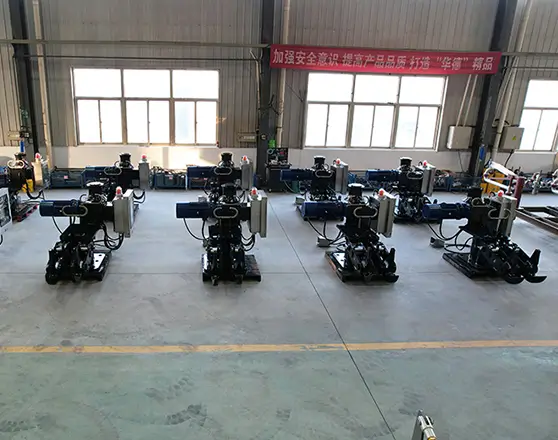
A quick release mooring hook supplier should help terminal buyers define a mooring equipment request around the berth, not only around a hook title. The supplier needs to know where the hook set will be installed, how operators approach it, which surrounding equipment shares the berth and whether the order is for a new project or a replacement route. Yuanda Machinery lists quick release mooring hooks with marine terminal equipment such as marine gangways, hose cranes, marine loading arms and dock vapor recovery ship-shore safety devices.
The first buyer question is why the hook is being purchased now. A new berth may need a complete hook arrangement written into the terminal project file. A retrofit may need a supplier to understand old equipment, civil restrictions and current operator habits. A replacement request may need the old hook set record before the supplier can confirm the right route. These situations should not be treated as one generic order.
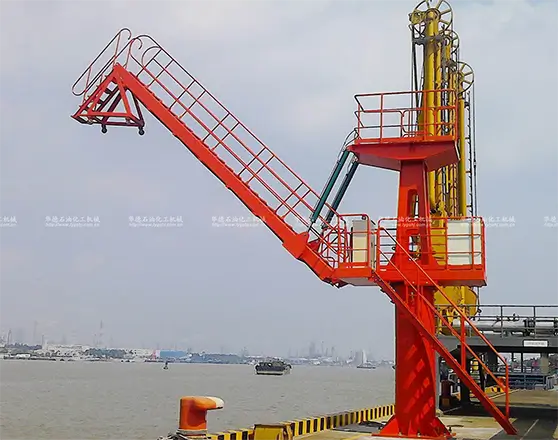
The berth position tells the supplier where the hook set belongs and what other equipment may affect access. The buyer should provide a berth layout, hook location, access direction and nearby equipment notes when available. If drawings are not ready, a route sketch and site photos are still better than a short request for hooks. A supplier that asks for position early is reducing wrong-scope risk.
For a terminal project, the hook set may be installed near gangways, hose cranes, loading arms or vapor recovery equipment. The supplier should ask whether personnel must pass through the same area during routine work. This helps the buyer avoid a hook arrangement that is technically acceptable but inconvenient or unclear during operation.
When a buyer replaces existing quick release hooks, old records are valuable. The supplier should ask for previous order information, photos, berth position and reason for replacement. If the old hook was damaged, the buyer should describe the route condition without needing to share confidential incident details. If the berth arrangement changed, the supplier should treat the request as a route review, not only a spare replacement.
For a new berth, the supplier should review hook placement with personnel access and transfer equipment. A marine gangway may define how operators reach the area. A hose crane or marine loading arm may define equipment movement. The hook set should be included in that same layout conversation so the berth works as one operating space.
The supplier should help the buyer record how the hook is approached, identified and maintained. A future operator should know which hook set belongs to which berth position. A maintenance team should know where to find the approved drawing and package mark. A purchasing team should know how to describe a replacement request later. This record is useful even when the hook itself is not complicated to identify visually.
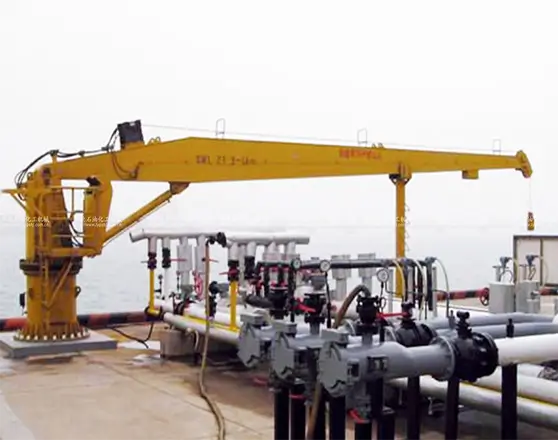
A supplier should avoid writing features that are not confirmed in the supply scope. If the project discusses manual release, powered release or remote operation, the final order should state only what is actually supplied. Unconfirmed expectations should remain clearly marked as project requirements under review. This protects the buyer from assuming a capability that was never approved.
If several hook sets ship together, each package should identify the berth position or assembly group. This is especially important when gangway parts, hose crane parts or loading arm components arrive in the same project. Clear package labels reduce installation confusion and make the handover file more useful.
| Supplier check | Buyer evidence | Why it matters |
|---|---|---|
| Berth position | Layout, route sketch or site photos. | Identifies the hook set location |
| Order reason | New berth, retrofit or replacement. | Shapes the review depth |
| Nearby equipment | Gangway, hose crane, marine loading arm or vapor system. | Avoids route conflict |
| Release scope | Confirmed operating and release arrangement. | Prevents unapproved assumptions |
The supplier should state what belongs to the hook package and what remains local work. Foundations, power supply, civil modifications, surrounding platforms or site installation services may not be included unless the contract says so. A clear boundary keeps installation planning realistic and prevents the buyer from discovering missing responsibilities after the equipment arrives.
For retrofit work, the boundary can be especially sensitive. Existing foundations may remain, or the buyer may change the hook arrangement. A supplier can help by asking which existing parts stay in place and which are replaced. The supplier should not promise suitability for old structures without evidence, but it can identify the information needed before approval.
A distributor supplying several terminals should not combine hook records into one general folder. The supplier can help by naming each hook set by customer, berth position and order purpose. This prevents a replacement request for one berth from being confused with another arrangement that looks similar but belongs to a different operating route.
A quick release mooring hook supplier is often one part of a wider berth upgrade. The same project may include a marine gangway for access, a hose crane for hose handling, a marine loading arm for transfer and a ship-shore safety device for interface control. The supplier should ask whether the hook package is being purchased alone or as part of that wider route. Yuanda’s platform and access products can also be relevant when personnel approach the hook from a fixed structure.
When several equipment families are being ordered, the buyer should ask each supplier to use consistent berth names. If the hook file calls the location Berth A, the gangway file and hose crane file should not use unrelated names for the same location. Consistent naming sounds simple, but it prevents confusion when receiving teams, installation crews and maintenance staff read different documents.
The supplier should separate hook assemblies, supplied accessories, documents and local installation items. The terminal owner needs to know which items can be reordered from the supplier and which belong to civil, electrical or local maintenance work. This is especially important after a retrofit, when old and new equipment may be present in the same berth area.
If the buyer has not confirmed release method, control boundary or operating position, the supplier should say so before production. It can still help shape the request, but unconfirmed assumptions should not become order facts. This protects the buyer from later discovering that the hook equipment is correct while the release route was never fully defined.
A supplier can also support future purchasing by writing short, stable item descriptions. A line such as quick release hook for west berth hook set is more useful than a generic hook entry. It helps the owner reorder, audit and discuss maintenance without reopening the entire project history.
For distributors, stable descriptions reduce after-sales confusion. If the distributor sends the supplier a route-based description, the supplier can identify the project record faster. If the request is only a photo and quantity, the supplier must rebuild the context, which slows response and increases wrong-part risk.
The final handover should include the hook set name, berth position, supply boundary, related marine equipment and replacement reference. This creates a route file that remains useful long after the first shipment is installed.
The buyer should also ask how the supplier handles post-delivery questions. If a terminal later asks whether a hook belongs to a certain berth, the supplier should be able to respond from the route record. That response is much more reliable when the original order includes berth position, package mark and nearby equipment notes.
For owners managing several berth upgrades, a consistent hook record also helps compare projects internally. One berth may include a gangway and hose crane, while another may only replace mooring equipment. The supplier’s records should make those differences visible so future maintenance and purchasing teams do not treat every hook order as identical.
A final review meeting should confirm three practical points: the hook route is named, the shipment can be identified on site, and the owner knows what remains outside the hook package. If those points are clear, the supplier has helped the buyer reduce long-term confusion.
That is the practical difference between a parts order and a usable berth record.
A strong supplier connects the hook set with berth position, access route, nearby marine equipment, package boundary and future replacement records. Buyers can compare Yuanda’s marine terminal equipment, terminal project examples and the marine loading arm supplier guide when planning a complete berth package.
Before approving the purchase, the buyer should read the hook record as if a new terminal team will use it later. If the berth position, hook set, access route and scope boundary are clear, the supplier has supported long-term operations. If the record is only a product name and quantity, the berth review still needs more work.
This final check is simple but powerful. It turns the supplier conversation from a price request into an operating record, which is exactly what marine terminals need when equipment remains in service across many staff changes and maintenance cycles.
