

Get quote
Get Free Consultation!
We are ready to answer right now! free consultation.
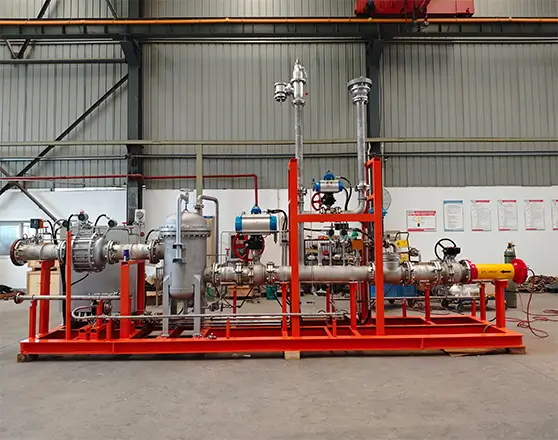
A buyer searching for a ship shore safety device supplier is usually trying to connect marine transfer equipment with a safer and more controlled berth interface. The supplier should understand the berth route, vapor recovery or safety interface, nearby marine loading arms, gangways, hose cranes and mooring equipment. Yuanda Machinery lists the dock vapor recovery ship-shore safety device within its marine terminal equipment range.
The first step is to define the device role in the actual terminal route. Is the buyer reviewing a dock vapor recovery route, an interface between ship and shore equipment, a safety upgrade around marine loading arms, or a project package that includes several berth systems? A supplier should ask these questions before confirming scope.
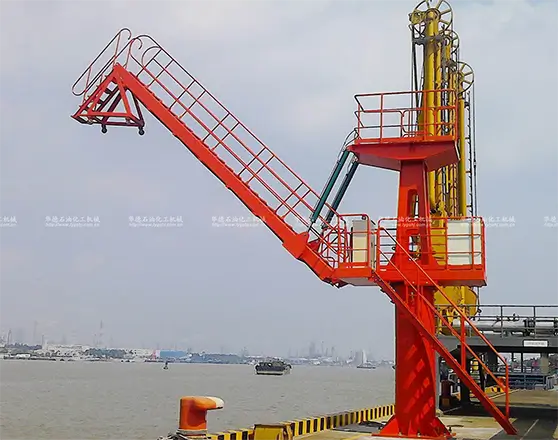
The berth interface includes the ship side, shore side, connected transfer equipment and operating route. The supplier should ask where the device is placed, what equipment it interacts with, and what information is still pending. If the interface is unclear, the quote may be too vague for engineering approval.
A buyer may use the phrase ship shore safety device in different ways. The supplier should clarify whether the discussion is about a vapor recovery interface, emergency release support, connected control route, or another terminal safety function shown in the buyer’s project file. Clear language prevents a broad term from turning into a confused purchase.
Marine loading arms may be part of the same transfer route. The supplier should ask whether the safety device interacts with arm operation, vapor routing, emergency release logic or dock-side equipment. The buyer should provide the arm family, berth layout and project scope where available. Yuanda’s marine loading arm manufacturer guide is a useful reference for keeping the safety device tied to the transfer route.
The safety device may sit near personnel access and hose handling equipment. The supplier should ask whether a gangway, platform or hose crane affects access to the device. This does not mean the safety device supplier is responsible for all access equipment. It means the buyer should not approve a device location that cannot be operated or inspected comfortably.
A supplier should write only confirmed project facts as supply commitments. If the buyer has not finalized vapor recovery requirements, connected equipment, control boundary or installation responsibility, those points should remain as pending project information. This discipline prevents the buyer from approving a device package based on assumptions.
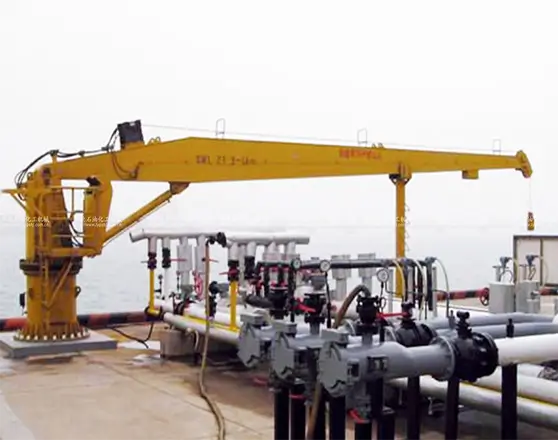
The supplier should also state what is included in the device package and what remains local work. Cable routing, control integration, civil supports, local platforms or site installation may require separate agreement. A clear boundary helps the buyer coordinate engineering, purchasing and site preparation.
If the device is tied to dock vapor recovery, the buyer should describe the route and connected equipment using project information. The supplier should not invent performance claims or compliance statements that are not present in the buyer’s documents. It can explain how the device fits the route, but specific capacity, certification or regulatory claims must come from confirmed project data.
| Supplier review point | Buyer should clarify | Reason |
|---|---|---|
| Device role | Vapor recovery, safety interface or control route. | Prevents vague scope |
| Connected equipment | Marine arms, hose cranes and berth systems. | Keeps interface realistic |
| Supply boundary | Device package versus local integration. | Avoids handover gaps |
| Pending assumptions | Unconfirmed data and project decisions. | Protects factual accuracy |
The project file should explain the device role, connected equipment, berth position, supply boundary and inspection reference. This helps future teams understand why the device was installed and what surrounding equipment should be checked before modifications. Without that record, later maintenance teams may see the device but not understand the interface it was meant to support.
For a terminal upgrade, the supplier should ask what existing equipment stays in place. A safety device added to an old berth may need careful coordination with existing arms, hoses, platforms or controls. The supplier should mark information gaps rather than assuming the old layout will support the new package.
If several marine equipment packages ship together, the ship shore safety device should be marked by berth route or project drawing. Receiving teams should not confuse it with hose crane, gangway or loading arm components. Clear package marks support installation and future maintenance records.
Ship-shore interface equipment often involves several teams: process, mechanical, electrical, operations and procurement. The supplier should help the buyer keep language consistent across those teams. If the process team describes a vapor route, the mechanical team describes a device location and the purchasing team describes a package name, those descriptions should still refer to the same berth interface.
This consistency is especially important when the device is purchased with other marine equipment. A gangway file may discuss access, a hose crane file may discuss handling, and a marine loading arm file may discuss transfer. The safety device file should show how it relates to those systems without claiming responsibility for equipment outside its scope.
The supplier can ask whether operators and maintenance staff can reach the device safely, but it should not imply that all access equipment is included unless the contract says so. A clear note such as access route to be confirmed by buyer is better than an unsupported assumption. This keeps the record honest and useful.
A retrofit can be more complex than a new installation because the device must fit around existing arms, platforms, hoses or controls. The supplier should ask what remains in place and what changes. If the buyer cannot confirm this, the supplier should identify the missing information rather than treating the retrofit as a standard package.
For future maintenance, the device record should name connected equipment and route boundaries. If a marine loading arm is replaced later, the terminal team can check whether the ship-shore device interface is affected. If a hose crane is relocated, the access route around the device can be reviewed. These future checks depend on the original file being readable.
The supplier should also separate document types. A sales quotation, technical route note, package list and handover record each have a different purpose. Combining them into one vague document makes future service harder. A concise but organized file is more valuable.
When buyers compare suppliers, the stronger supplier will be the one that asks for interface information and writes boundaries clearly. That behavior shows the supplier understands the project risk around ship-shore equipment rather than treating the device as a simple line item.
The supplier should also help the buyer decide where the device record will live after installation. If the record stays only in a purchasing folder, operations and maintenance may not see the interface notes. A practical handover puts the route information with the terminal equipment file, where future engineers and maintenance staff can find it.
For marine terminals with several berths, the device should be named by berth and route. A device at one berth may connect with a different arm or access route from a device at another berth. The supplier’s package marks and documents should preserve those distinctions.
A supplier can also help avoid overbroad terminology. Instead of writing only ship-shore safety device, the record can state the device role, connected transfer route and supply boundary. This makes the document more useful without adding unsupported claims.
If the project later changes a marine loading arm, vapor route or hose crane position, the original safety device file should make it clear whether the interface needs review. That is the kind of long-term value a careful supplier can provide.
Before shipment, the buyer should confirm that the device, package marks and interface notes all use the same berth name. This simple check prevents confusion during receiving and installation.
The supplier should also help the buyer separate operating notes from commercial notes. Operations needs the device role and route boundary. Purchasing needs the package and supplier reference. Maintenance needs the connected equipment record. If these needs are mixed into one vague paragraph, future teams may miss the information they need most.
A clear file lets the terminal owner review the device again when the berth changes, instead of rebuilding the entire interface history from memory.
It also makes supplier follow-up faster when replacement or modification questions appear later.
That saves project time.
A strong supplier connects the device with berth layout, transfer route, connected marine equipment, supply boundary and future records. Buyers can compare Yuanda’s marine terminal equipment, project examples and marine loading arm supplier guide when preparing a complete ship-shore transfer request.
Before approval, the buyer should ask whether the device role can be understood by operations, maintenance and purchasing without the original meeting. If the answer is yes, the supplier has prepared a useful route record. If not, the interface still needs clarification before shipment.
This caution is important because ship-shore equipment often sits between several engineering responsibilities. Clear records help every team understand what was supplied and what must be coordinated locally.
