

Get quote
Get Free Consultation!
We are ready to answer right now! free consultation.
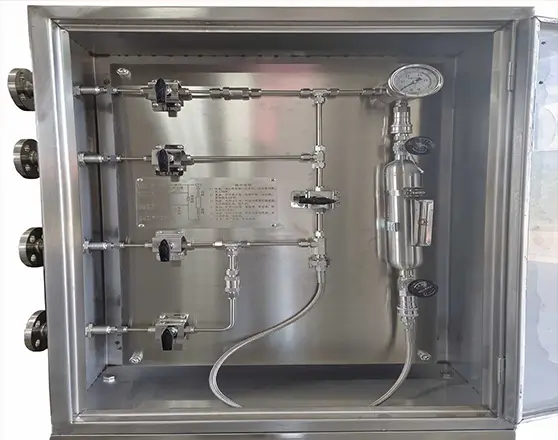
A tank bottom sampler supplier should help buyers define the storage tank route, sampler role, package boundary and future maintenance record. Yuanda Machinery lists tank bottom samplers together with storage tank equipment such as rotary jet mixers, floating suction devices and internal floating roofs under its fluid transfer equipment categories.
A buyer may request a tank bottom sampler because maintenance, storage operation or project handover requires clearer access to bottom-area sampling. The supplier should ask which tank is involved, what other internal equipment is installed, how the sampler will be identified, and what information must remain in the owner’s file. It should not invent sampling results, test data or operating promises beyond confirmed project information.
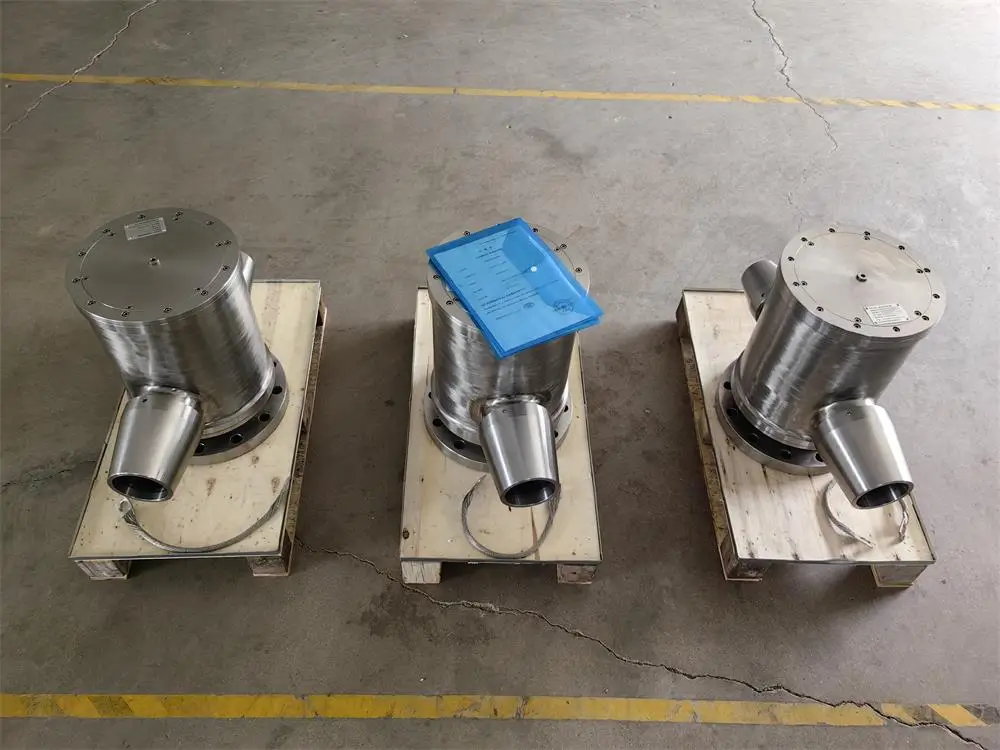
The tank identity is the first useful fact. The supplier should ask for the tank name, service, route, related equipment and replacement history. A sampler supplied without tank identity is hard to install, mark and maintain. This is especially true when a tank farm has several similar storage tanks.
A contractor working on a tank farm may buy samplers, jet mixers and suction equipment in one project. Each device should use the same tank naming method. If the sampler file uses one tank name and the mixer file uses another, the owner may inherit a confusing record.
The sampler record should share tank naming with rotary jet mixer, floating suction device and internal floating roof files. Yuanda’s floating suction systems and internal floating roof products can be reviewed beside the sampler when a tank package is being planned.
For replacement work, old drawings, photos and maintenance notes can help the supplier understand the existing route. Photos show appearance, but records explain tank identity and package boundary. If old records are missing, unresolved assumptions should remain visible until the buyer confirms them.
A sampler may be a small device compared with a tank, but it belongs to a larger operating environment. The buyer should ask how the sampler fits with rotary jet mixers, floating suction equipment, internal floating roofs or loading systems connected to the tank farm. The supplier should not treat it as a loose part with no route context.
If a storage tank is being upgraded, the sampler order should sit inside the same project file as other tank equipment. That gives operators and maintenance teams a better record after commissioning. It also helps purchasing repeat or service the item later.
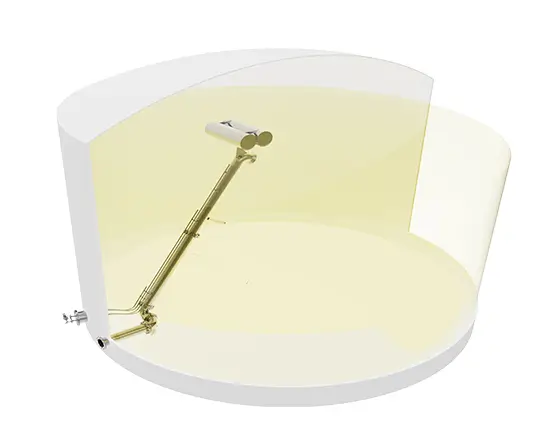
When a tank also uses a rotary jet mixer, the sampler should be documented beside the mixer. The devices do different jobs, but future maintenance may need to understand both. Stable tank names and route descriptions reduce confusion.
If floating suction equipment is present, the sampler file should still show its own package boundary. The buyer should know what is supplied with the sampler and what belongs to other tank equipment or local installation work.
| Supplier question | Buyer evidence | Why it matters |
|---|---|---|
| Which tank? | Tank name, service and project route. | Prevents mixed records. |
| What is the sampler role? | Maintenance or project purpose. | Guides documentation. |
| What other equipment is installed? | Mixer, suction or floating roof files. | Keeps tank package clear. |
| What is the supply boundary? | Sampler package and local work notes. | Supports installation. |
Package marks should connect the sampler with the correct tank. A receiving team should not need to open technical files to know where the sampler belongs. If several tank devices are shipped together, the sampler, mixer and suction equipment should be separated by tank route.
The supplier should also identify loose parts, accessories or documentation that belong with the sampler. If these items are separated during storage, the installation team may lose time. Simple package discipline can prevent that problem.
A useful label names the tank route and sampler identity in language that installers and maintenance staff can understand. Internal product codes may be helpful, but they should not replace a clear tank name. The owner needs records that survive staff changes.
Tank farm equipment may wait in a warehouse before installation. The supplier should help the buyer keep route identity visible during storage. Package labels, spare-part marks and a clear packing list are practical details with long-term value.
The supplier should not promise sampling outcomes without confirmed tank and operating data. The safer approach is to document the sampler’s role, tank identity and supply boundary. If the buyer needs process-specific evaluation, that should be handled with project data and appropriate engineering review.
This caution protects both buyer and supplier. The buyer receives a factual record, and the supplier avoids turning a general product discussion into an unsupported operating guarantee. Storage tank projects benefit from careful wording.
Confirmed sampler model, tank route, related equipment and package boundary should be written as facts. Unconfirmed site work, installation details or process assumptions should remain marked as open. This keeps the handover file honest.
The final owner may not be the same team that purchased the sampler. The supplier’s file should therefore help future maintenance identify the tank, sampler role, related mixer or suction equipment and spare-part language. Buyers can compare the decision with Yuanda’s floating suction system supplier guide, internal floating roof manufacturer guide and project examples.
For distributors, this record matters too. A distributor that preserves tank identity and package boundary can support the end user more effectively than one that only forwards a product name. Tank equipment is easier to service when the original route remains visible.
A spare request should not say only sampler part. It should name the tank route and sampler identity from the original file. This helps the supplier check the right record and reduces the chance of shipping a part for the wrong tank.
A strong supplier connects tank bottom sampler supply with tank identity, related equipment, package marks, local boundary and maintenance language. Buyers can review Yuanda’s fluid transfer equipment categories and fluid transfer equipment supplier procurement guide when planning storage tank equipment.
Before approving the order, the buyer should ask whether the sampler can be identified by people who were not involved in the first purchase. If the answer is yes, the supplier has prepared a useful tank record. If the answer is no, the file needs clearer tank names, package marks and supply boundaries.
The best sampler order is practical rather than dramatic. It gives the owner a clear device, a clear tank route and a clear service record for future maintenance.
A tank bottom sampler is a small part of a storage tank project, but unclear records can make it difficult to manage later. The supplier that keeps the project file coherent makes the equipment easier to own.
For maintenance buyers, that clarity is often the real value of a careful supplier.
The buyer should also decide where the sampler record will live after installation. If the owner stores mixer, suction and sampler documents in separate folders with different tank names, future maintenance will need to rebuild the project history. A supplier can help by using the same tank identity and route wording across all documents.
A contractor may receive the sampler before the tank is ready. In that case, storage marks matter. The sampler package should stay connected with its tank route, loose accessories and documents. If those parts are separated, the installation team may discover the problem only when field work begins.
For replacement orders, the supplier should ask whether the buyer wants the same sampler role or whether the tank project has changed. New internal equipment, changed maintenance practice or a different tank route may affect the discussion. A repeat order should still be checked against current project data.
The final purchase file should be useful to three groups. Receiving staff need crate labels and tank names. Installers need package boundary and route information. Maintenance staff need sampler identity and future spare language. If the supplier writes only a product line item, at least two of those groups are left with extra work.
A careful supplier will also keep uncertain site details visible. If local installation, existing tank condition or related equipment is not confirmed, the file should say so plainly. That protects the buyer from assuming the sampler order answers questions that still need project review.
The buyer should also ask how the sampler will be described in future maintenance requests. A phrase that includes tank name, sampler identity and route context is easier to support than a short spare-part nickname. This is especially useful when several tanks share similar equipment.
If the sampler is exported through a distributor, the distributor should keep the owner’s tank language in the file. Translating the order into a generic product line may be convenient during purchase, but it weakens future service. The original tank identity should stay visible from inquiry to delivery.
