

Get quote
Get Free Consultation!
We are ready to answer right now! free consultation.
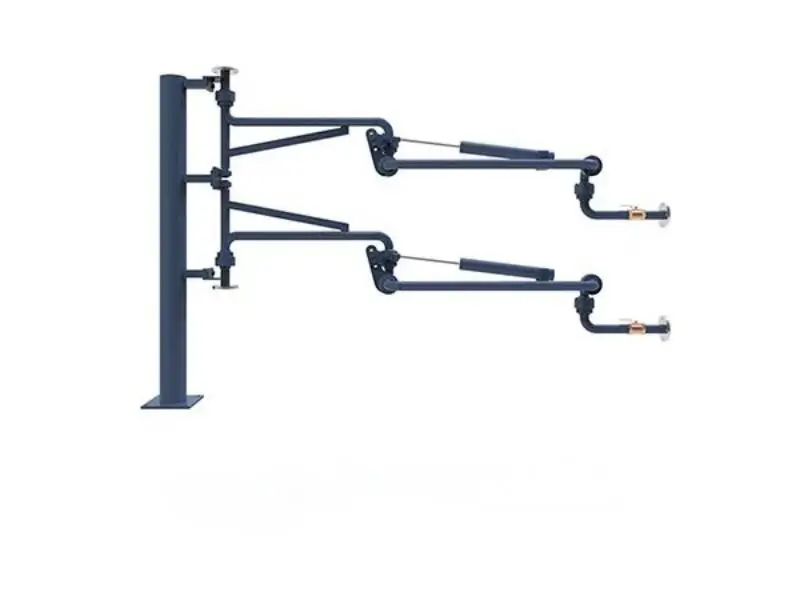
A buyer looking for an LPG loading arm supplier may be planning cylinder filling, truck loading, unloading or a depot transfer point where liquefied gas service changes the normal loading arm conversation. The supplier should ask whether the route is top loading, bottom loading, cylinder filling or a mixed depot application. Yuanda Machinery lists AL1512 LPG Loading Arm, AL2543 LPG Loading Arm and LPG Cylinder Filling Loading Arm, giving buyers real product families to compare.
LPG service should be handled with more care than general ambient liquids. The buyer should provide medium, pressure, temperature condition, connection route, filling method, operating frequency and site layout. The supplier should explain which arm family or filling route fits the application and what information is still missing. A fast quote that treats LPG like ordinary fluid loading should not be treated as a final technical proposal.
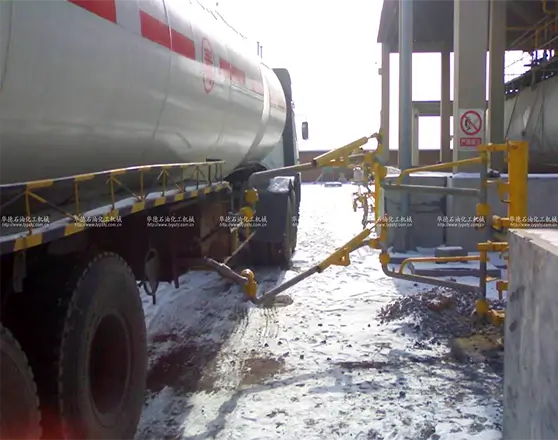
Cylinder filling and tanker loading are different purchase situations. Cylinder filling may require frequent small connections and a workstation-style layout. Truck or tanker loading may require a longer arm route, different parking considerations and accessories tied to vehicle connection. The supplier should ask which application the buyer is actually planning before recommending a product family.
A distributor may receive general requests for LPG loading equipment, but the supplier should help define the application. If the customer needs LPG cylinder filling, the discussion should not be mixed with truck loading arms. If the customer needs a depot loading bay, the supplier should ask about vehicle position, connection height, operator access and whether the route is loading, unloading or both.
Cylinder filling equipment should be reviewed around the operator’s repeated movement. The supplier should ask how cylinders arrive, where the operator stands, how the connection is made, and how the filling route is kept organized. A product that is technically suitable for LPG still needs to support the real work rhythm of a filling station. The buyer should not approve the arm only from a product title.
AL1512 LPG Loading Arm and AL2543 LPG Loading Arm can belong to different loading route discussions. The buyer should ask whether the site expects top loading, bottom loading, loading and unloading, or another LPG transfer path. Vehicle position, connection height, operator access and accessory needs should be reviewed before the supplier confirms the arm family.
LPG loading should include a clear discussion of sealing, connection, disconnection and accessory boundaries. The buyer should ask which accessories are included, what each one does, and whether the route requires specific couplers, caps, drain handling or breakaway protection. Accessories should be tied to the LPG route instead of selected from a generic loading arm list.
Yuanda’s loading arm accessories include breakaway valves, sealing caps, dry disconnect valves, drain pans and swivel joints. The LPG loading arm supplier should explain which accessories belong to the selected LPG route and which are not part of the current scope. This prevents the buyer from assuming that a missing accessory is included simply because it appears elsewhere in the catalog.
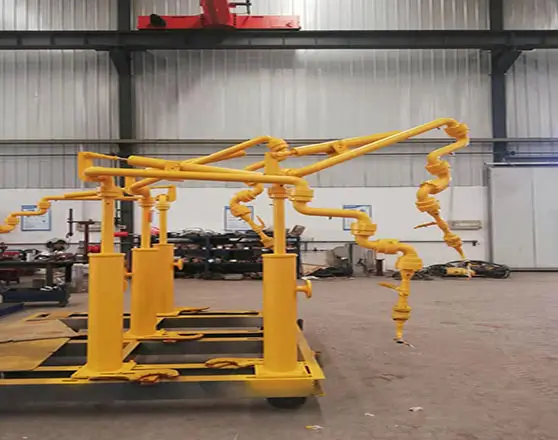
When LPG arms and accessories ship together, the package should identify which parts belong to cylinder filling, truck loading or unloading routes. Loose accessories can look similar to the site team, especially if several LPG workstations or lanes are installed at once. Marking by route and drawing reference reduces sorting time and helps future maintenance teams understand what belongs where.
| LPG buyer question | Supplier should verify | Why it matters |
|---|---|---|
| Cylinder filling or tanker loading? | Workstation route, vehicle route and operating rhythm. | Correct product family |
| Top, bottom, loading or unloading? | Connection height, arm reach and parking position. | Avoids wrong geometry |
| Which accessories are included? | Caps, couplers, breakaway parts, dry disconnect or drain handling. | Clear scope and safer handover |
| How are parts identified? | Package marks by route, lane or workstation. | Easier installation and maintenance |
Depot layout affects LPG loading decisions. The supplier should ask for vehicle position, cylinder handling route, operator access, nearby equipment and whether the buyer is replacing old equipment or building a new station. If the station already exists, the supplier should request site photos or drawings. Repeating an old layout without review may preserve old problems such as awkward connection, poor parking or unclear accessory storage.
The supplier should also state what the buyer prepares locally. Support structure, flange condition, installation labor, lifting equipment, local piping, control wiring or station procedure may remain outside the factory scope. These boundaries should be written before shipment. LPG equipment should not arrive at a site where the basic installation responsibilities are still unclear.
Future maintenance is easier when cylinder filling and truck loading records stay separate. The buyer should know which seal, swivel, coupler or accessory belongs to each LPG route. If a facility has several LPG work areas, this record prevents parts from being ordered by appearance. The supplier should help create that record during the first order rather than waiting until the first replacement request.
For related planning, compare the bottom loading arm manufacturer guide and the tanker loading arm manufacturer guide. Buyers reviewing broader fluid transfer scope can also use Yuanda’s LPG loading arm category and batch loading control systems to decide whether the LPG order is a loose arm purchase or part of a larger depot package.
The strongest LPG loading arm order is specific about application, route, medium, accessory package, packing marks and site work. A buyer should avoid vague requests such as one LPG arm unless the supplier has enough information to define the route. The supplier should help turn the request into a practical file that operations, installation and maintenance teams can use.
Before approving the order, the buyer should check whether the supplier has separated cylinder filling from truck loading, top loading from bottom loading, and included accessories from excluded items. If those lines are clear, the LPG loading arm supplier has helped the buyer reduce wrong-order risk and future service confusion.
For distributors, that clarity also improves resale. A distributor that asks better application questions before quoting LPG equipment is less likely to sell a product into the wrong station layout.
LPG loading buyers should also ask how the supplier handles mixed stations. A depot may have cylinder filling, truck loading and unloading in the same area. The supplier should help the buyer separate the routes by application, arm family, accessory package and operating responsibility. This prevents the site from treating all LPG equipment as one interchangeable group.
For cylinder filling, the operator’s repeated movement matters. A station may make many short connections in a shift, so the supplier should consider workstation layout, connection comfort and how accessories are stored. For truck loading, vehicle position and lane clearance become more important. A good supplier explains these differences before quoting.
The buyer should also ask which details are needed for future spare parts. Seals, swivels, couplers and caps should be recorded by LPG route. If the facility has several LPG workstations, the original order should identify which service item belongs to which station. This makes later maintenance more organized.
Shipment marking is useful on LPG projects because arms and accessories may be installed in several positions. The supplier should mark each package by route, workstation or lane. A clear mark helps the installer avoid mixing cylinder filling accessories with truck loading parts.
If the buyer is replacing old equipment, the supplier should ask what the old system did poorly. Maybe the operator route was awkward, maybe accessories were unclear, or maybe the station lacked a good service record. Replacing the equipment without addressing those issues may preserve the same daily problems.
The strongest LPG supplier review ends with a practical route file: application, arm family, connection method, accessory package, packing marks and site work. That file helps the buyer, installer and maintenance team use the equipment as a coordinated station rather than loose parts.
The buyer should also ask whether the LPG supplier can support future changes in filling demand. A cylinder filling station may add more work positions, while a depot may add another truck lane. The supplier should explain which parts of the first order can be repeated and which need a fresh layout review. This prevents the buyer from expanding a station by copying details that only fit the original position.
For LPG truck loading, vehicle route and operator access should be reviewed with the same care as the arm. A supplier should ask where the tanker stops, where the connection sits, how the operator reaches the connection and where the arm parks. The buyer should not assume that an LPG arm family alone solves the whole loading station.
For cylinder filling, repeated handling makes small ergonomic details important. The operator may connect and disconnect many times, so the route should be comfortable, organized and easy to inspect. The supplier should ask how the workstation is arranged rather than treating the cylinder filling arm as a generic small product.
A good LPG loading arm supplier should be willing to identify missing information. If the buyer has not confirmed application, route, connection height, accessory requirements or site preparation, the supplier should keep the quote open for clarification. That protects the buyer from approving a product that cannot fit the final station.
If the LPG project includes both new arms and replacement parts, the supplier should separate the two discussions. A replacement seal, swivel or accessory may relate to an existing route, while a new arm may require a fresh layout check. Mixing them in one vague purchase request can cause the buyer to approve the wrong service item or overlook a station improvement.
For depot owners, the supplier’s drawing notes should show where the LPG arm parks and how operators pass through the loading area. The parked position is not a small detail. It affects walking routes, maintenance access and whether the equipment feels organized during busy shifts.
A distributor should ask the end user for photos or drawings before confirming an LPG loading arm. The supplier can then judge whether the application is cylinder filling, truck loading, bottom loading or a mixed route. This simple step helps the distributor avoid selling from a product name when the real issue is station geometry.
The buyer should keep the final LPG route record with the station documents. It should include arm family, medium, route, accessory package, packing marks and local responsibilities. When the station later adds a lane or replaces a part, that record gives the supplier and buyer a shared starting point.
For LPG stations with several operators, the supplier’s documents should be simple enough for daily use. A clear route name, visible accessory list and parked-position note can prevent confusion between cylinder filling and truck loading areas. The equipment may be industrial, but the record should still help the people who use it every shift.
The final supplier choice should favor the company that asks the most useful station questions before production: application, route, connection height, accessory package, packing marks and site preparation. Those questions show whether the supplier is solving the LPG loading point, not only selling a product.
