

Get quote
Get Free Consultation!
We are ready to answer right now! free consultation.
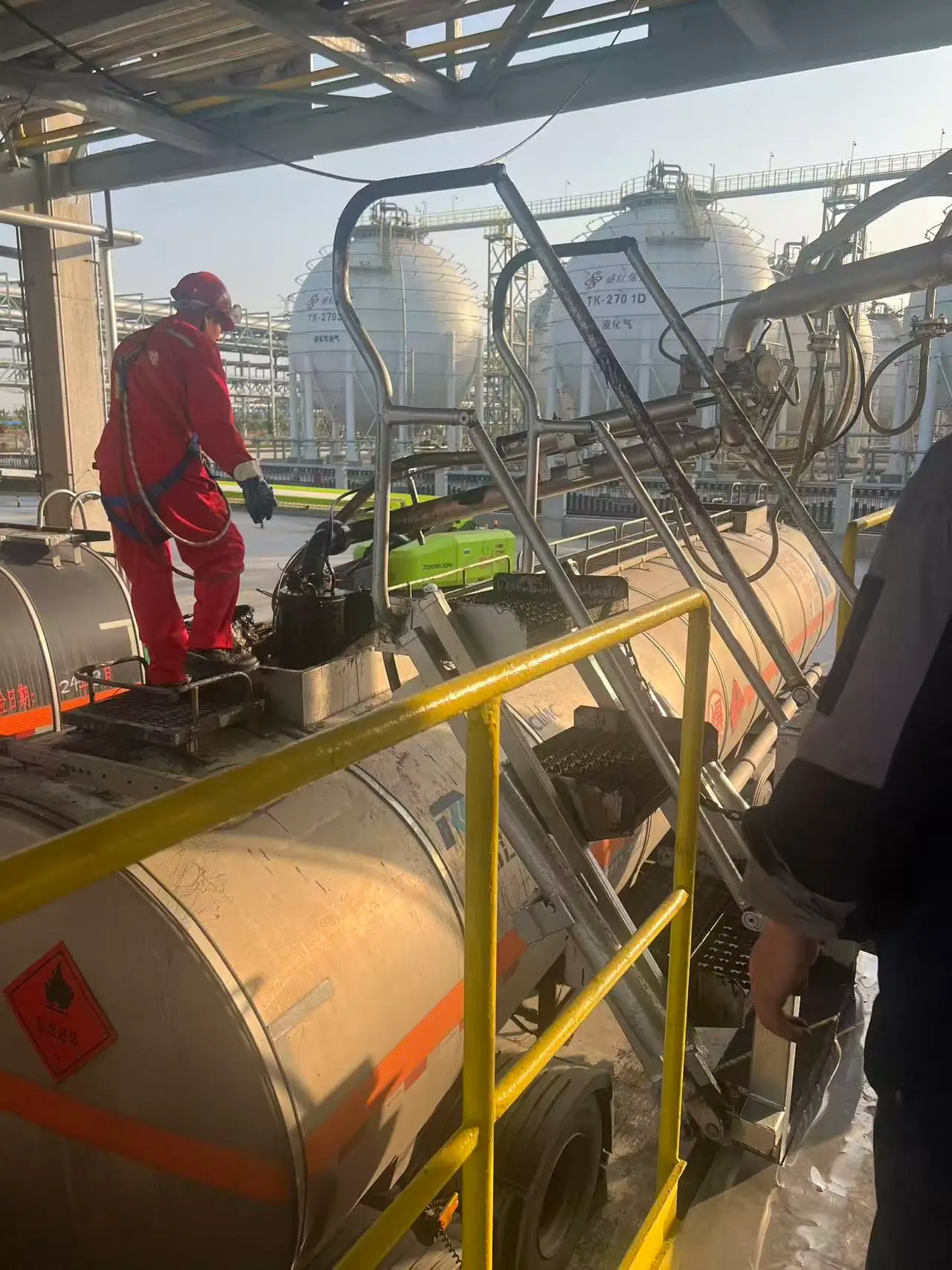
A buyer searching for a railcar loading arm supplier usually has a more complex problem than a single truck lane. Railcars may stop across a longer envelope, the loading gantry may already be fixed, and the arm may need to reach several connection positions without forcing the operator into unsafe movement. The first decision is whether the rail line needs top loading, unloading, metered loading, a platform trestle, folding access or a skid-connected control route. Yuanda Machinery’s land loading arm range, platforms and trestles and project delivery page give buyers a practical starting point for this review.
Rail loading also has a handoff problem. The people approving the purchase may be engineers and procurement staff, while the people receiving the equipment may be rail terminal operators and installation contractors. A supplier that understands railcar loading should document the car position, arm family, gantry access, accessory route and shipment marks clearly enough for all of those teams. Otherwise, a correct arm can still become a difficult installation.
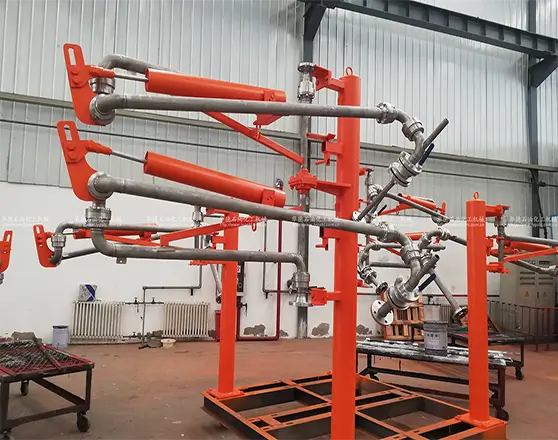
Railcar spotting tolerance is the starting point because the arm must meet the car where it actually stops, not where a clean drawing imagines it will stop. The supplier should ask how cars are positioned, whether the same loading point handles different car types, and whether the arm needs enough reach to cover normal variation. If the gantry is existing, the supplier should also ask for platform height, edge distance, pipe route and parking area before fixing the arm family.
Yuanda’s AL1512, AL1401, AL1402, AL1403, AL1412 and AL1513 top loading families can enter the discussion when railcar top loading or unloading is required. Bottom loading families such as AL2404, AL2503 and AL2543 may be relevant when the site uses sealed lower connections. The supplier should not quote a railcar loading arm from the model name alone. The railcar position, top or bottom route, medium and gantry access decide whether the model can work comfortably.
A rail arm should be reviewed from parked position to connection, loading, draining or disconnection and return to park. Some drawings show only the connected position, which hides movement problems. The buyer should ask the supplier to explain how the arm passes around handrails, platforms, pipe supports and nearby arms. If several rail positions operate near each other, the supplier should also check whether one arm can block another during connection or return.
Railcar loading often requires operators to work from a gantry or trestle, so the arm and access equipment should be reviewed together. Yuanda’s platform trestle products and folding stair range are relevant when the buyer is building or modifying a loading line. The supplier should check whether the arm can be operated without leaning outside a safe work area, and whether maintenance teams can reach swivel joints, seals and parking components after installation.
The rail line may be fixed, but the product moving through it can change the equipment decision. Petroleum, chemical liquid, LPG, ammonia, chlorine and cryogenic products do not create the same loading arm question. The buyer should tell the supplier whether the service is ambient, heated, lined, sealed, toxic, liquefied gas or low temperature. If the supplier treats every railcar loading arm as a standard pipe reach problem, the buyer should push for a more careful service review.
A rail terminal can also have several products sharing the same loading area. That does not mean the same arm family should serve every product. A rail line that handles ambient petroleum may use one route, while a chemical service may need lining, heating, different seals or a stricter drainage plan. The supplier should help the buyer name these service differences before accessories and spare parts are selected.
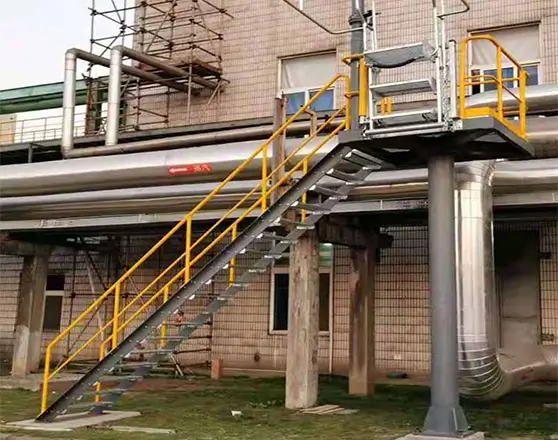
When railcar loading includes metering or preset delivery, the arm becomes part of a wider loading system. Yuanda’s batch loading control systems include batch controllers, host computer management systems, top loading skids and bottom loading skids. A railcar loading arm supplier should ask whether the project needs flow measurement, loading records, card-based operation or a management interface. These requirements can change the equipment package and the documentation needed at handover.
| Rail loading issue | Supplier should verify | Buyer value |
|---|---|---|
| Railcar position varies along the gantry | Reach envelope, parking position and arm movement path. | Fewer field adjustments after installation |
| Existing platform or trestle is reused | Platform height, handrail clearance and service access. | Safer operation and easier maintenance |
| Several products share one rail area | Medium, temperature, sealing, lining and drainage expectations. | Lower risk of wrong arm family |
| Metered delivery is required | Skid, batch controller and loading workflow boundary. | Cleaner project scope and handover |
A railcar loading project often fails in the details between the gantry and the car. The buyer may have a clear pipe route but still lack a clear operating sequence. The supplier should ask who moves the arm, where that person stands, how the car is confirmed in position, how the product route is opened, and what happens after transfer finishes. These questions turn the purchase from a catalog selection into an operating plan.
For rail terminals that load several cars in sequence, the supplier should also ask whether the arms need to remain parked while nearby cars are moved. A poor parked position can become a rail operation problem even if the arm works well during connection. The buyer should review parked clearance, walkway clearance and whether any loose accessory or drain route can interfere with the next loading position.
A distributor supplying railcar loading equipment should be careful with replacement requests. End users may describe the old product as a rail loading arm without giving the service condition. Before quoting, the distributor should confirm whether the old arm handled ambient petroleum, heated product, chemical liquid or another service. The supplier can support the distributor by asking for photos, dimensions, medium data and existing platform information before fixing a replacement route.
If the rail loading line includes unloading as well as loading, the supplier should define both flow directions. Unloading can change drainage, pump connection, valve sequence and operator expectations. A buyer should not assume that a loading arm automatically solves unloading simply because the arm can physically connect to the car. The supplier should explain what is included in the operating route and what still belongs to the site system.
The buyer should also ask how inspection points remain reachable after the arm is installed on the gantry. Swivel joints, seals, drop pipe parts, couplers and parking components may need routine attention. If the access route is blocked by handrails or nearby equipment, maintenance will become slower and less consistent. A useful supplier review includes both loading movement and future service movement.
For export orders, the rail position should appear in the packing plan. A crate marked only with a model code may be technically accurate but still confusing at the site. Marking by rail position, product route and drawing number helps the contractor store and install components in the correct order. That simple delivery habit is especially useful when the rail line includes multiple arms and skid equipment.
Railcar loading equipment may ship as arms, platform components, accessories, skid assemblies and loose site-installed items. The supplier should mark crates by rail position, service condition and equipment family. This is especially important when a loading line has several positions that look similar. If an accessory crate is not tied to the correct arm family, the installation contractor may have to sort parts by guesswork while the rail terminal schedule is already under pressure.
The buyer should ask whether the supplier will provide a delivery file that separates assembled items, loose accessories and site-prepared work. Rail projects often involve local civil or steel work, so the supplier should state what the factory provides and what the buyer or installer prepares. Bolts, gaskets, flange faces, supports, lifting space and electrical work should not be left as assumptions.
Operators often identify rail positions by local lane names rather than product model codes. The supplier’s documents should connect those local names with the arm family, medium, accessory package and drawing reference. This small step makes future maintenance easier. When the site asks for a seal, swivel part, coupler or replacement accessory, the supplier can understand the request from the original rail position instead of starting from a photo.
For adjacent decisions, buyers can compare the land loading arm manufacturer guide and the land loading arm supplier guide. If the rail line includes skid-mounted delivery or terminal management, the fluid transfer equipment supplier package guide helps the buyer decide whether the order should stay as loose arms or become a wider loading system package.
Rail terminals often change slowly, but the product mix, operating schedule or railcar fleet can change over time. A good supplier should help the buyer record which decisions are fixed by the current gantry and which decisions must be rechecked for future expansion. Reach, parking, platform access and spare part families should be documented clearly enough that the next rail position can be reviewed from a real operating record.
Before approving a railcar loading arm order, the buyer should have a final file that includes railcar spotting tolerance, loading route, arm family, medium, gantry access, accessory list, skid or control requirement, packing marks and site responsibilities. If the supplier can help create that file, the buyer is not only buying an arm. It is building a rail loading line that operators, installers and maintenance teams can understand.
A rail terminal buyer should also decide how much future expansion should influence the first purchase. If the next phase may add more rail loading positions, the supplier can help identify which arm families, accessory routes and packing methods can be repeated. The buyer should avoid forcing a future lane into the current design, but it should record what can be reused safely. That makes the next rail line review faster without turning the current order into a guess.
For owners with several depots, railcar loading arm records should be kept separately from truck loading records. The products may come from the same supplier, but rail reach, gantry access and spotting tolerance create different service questions. Keeping those records separate helps maintenance teams ask for the right parts and helps purchasing teams compare future rail offers from a stronger starting point.
The supplier should also explain when railcar loading should not be handled by a simple arm replacement. If the owner wants loading records, safer operator access or a new product route, the project may need platform, skid or accessory changes as well. A useful supplier names those adjacent needs early, even when the buyer ultimately decides to order them later.
That early naming also helps the buyer compare offers fairly. One supplier may quote only the arm, while another includes gantry notes, accessory marking and skid boundaries. The lower price is not always the same scope, so the buyer should compare what each supplier has actually solved.
