

Get quote
Get Free Consultation!
We are ready to answer right now! free consultation.
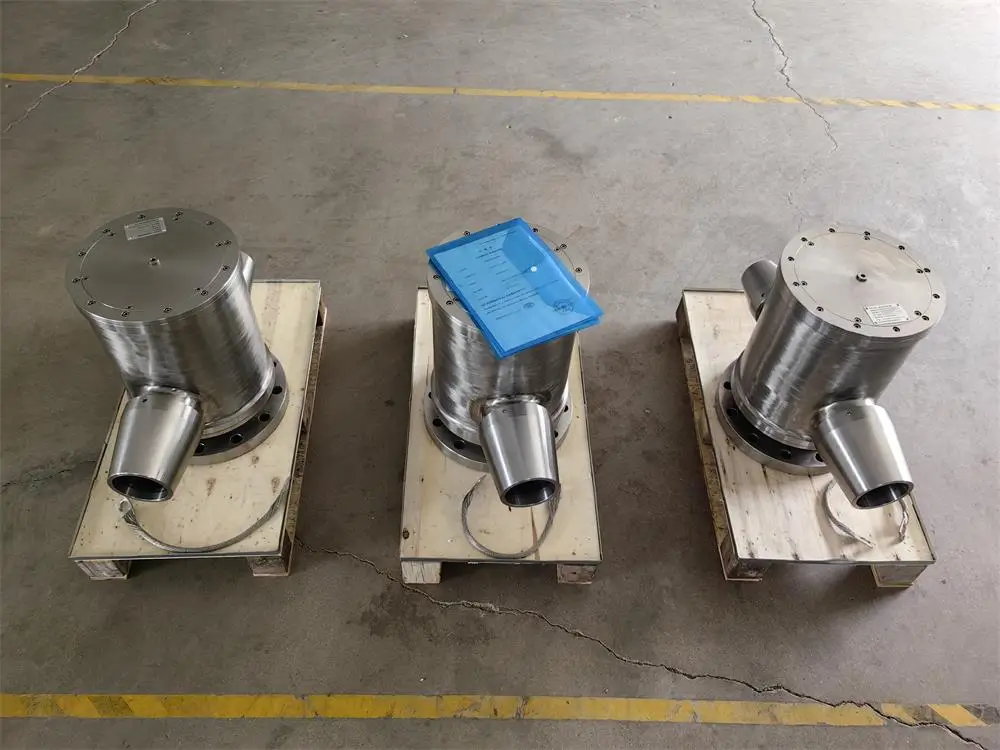
A storage tank jet mixer manufacturer should help buyers understand how the mixer fits the storage tank route, not only how the device is named. Yuanda Machinery lists a rotary jet mixer for oil tanks and storage tank blending, alongside internal floating roofs, floating suction devices and tank farm equipment in its fluid transfer equipment categories.
A tank farm buyer usually asks about jet mixing because blending, circulation or tank operation needs a clearer plan. The manufacturer should ask about tank type, stored medium, available circulation route, installation boundary and related equipment. It should not invent performance numbers when the project data is incomplete. The useful discussion is how the mixer belongs in the tank system.
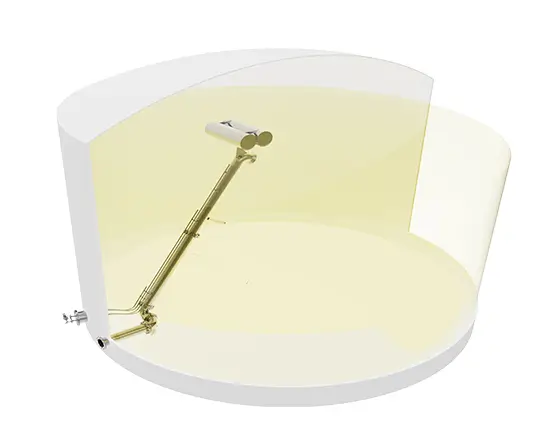
Jet mixing uses movement of liquid to help mix contents, so the surrounding circulation route matters. The manufacturer should ask how the buyer expects liquid to move, what tank equipment already exists, and what local work supports the mixer. This creates a better project discussion than a short request for one jet mixer.
A refinery storage tank project may involve internal floating roofs, floating suction equipment, loading systems and tank accessories. The jet mixer should be reviewed as part of that tank route. Buyers can compare the mixer with Yuanda’s internal floating roof products and floating suction systems when mapping the tank package.
The request should name the tank and describe why blending or circulation is needed. A general request for a mixer gives the manufacturer too little context. The manufacturer should connect the rotary jet mixer with the buyer’s tank route, medium notes and operating purpose.
If the tank also uses a floating suction device or pontoon suction arm, the buyer should keep those records near the mixer file. Mixing and withdrawal are different functions, but both belong to tank operation. Keeping them together makes future maintenance easier.
A storage tank may contain internal floating roof equipment, suction arms, jet mixers, samplers and other devices. The manufacturer should encourage the buyer to write a single tank equipment record. Separate files can cause confusion when maintenance later tries to understand what was installed and why.
The manufacturer should ask whether the jet mixer is for a new tank, retrofit or replacement. A new tank project can coordinate opening, installation and documentation earlier. A retrofit project may have old equipment, limited access or incomplete records. Those conditions affect how the project is reviewed.
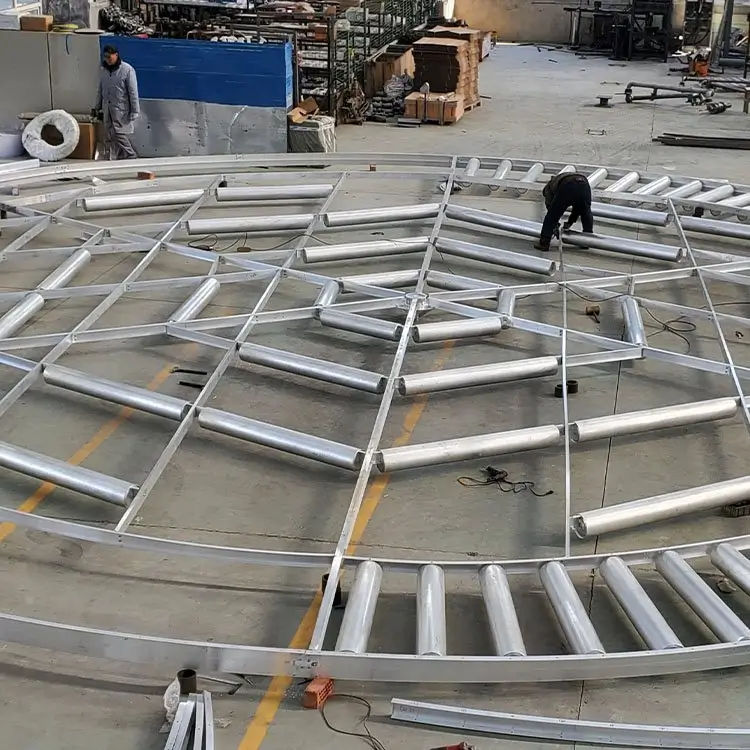
If the tank has an internal floating roof, its record should not disappear from the mixer discussion. The manufacturer should not assume compatibility details without project evidence, but it should ask how the mixer and other internal equipment are documented together.
Storage tanks may also use tank bottom samplers. The buyer should use stable tank names across sampler, mixer and suction equipment files. If each device uses a different naming method, future service teams may struggle to identify the equipment.
| Tank project question | Evidence to prepare | Why it matters |
|---|---|---|
| Why is jet mixing needed? | Blending or circulation purpose from the project. | Defines review angle. |
| Which tank route is involved? | Tank name, medium and equipment layout. | Avoids loose accessory thinking. |
| What else is installed? | Floating roof, suction device or sampler records. | Improves tank file clarity. |
| What remains local work? | Installation and site boundary notes. | Supports project planning. |
The manufacturer should define what it supplies and what remains for local installation or site preparation. Tank projects can involve openings, supports, piping, pumps or other work outside the mixer package. The buyer should not assume every site requirement is included unless the supplier file confirms it.
A contractor may manage several tank devices at once. The manufacturer’s documents should help the contractor separate mixer supply, floating roof supply, suction equipment and local work. This is not paperwork decoration; it affects receiving, installation and owner handover.
If multiple tanks are involved, each package should identify the tank route. A rotary jet mixer for one storage tank should not be mixed with equipment for another. Package marks reduce errors during warehouse storage and site distribution.
For replacement work, the manufacturer should ask for old drawings, tank records and installation notes when available. If those records are missing, the supplier should show which assumptions remain open. Photos alone may not explain the tank route or previous equipment boundary.
The buyer should be careful with any claim that depends on tank data not yet supplied. Tank size, medium behavior, circulation route and operating purpose can affect the discussion. The manufacturer should use cautious language until the project information is confirmed.
External engineering references describe jet mixing as a momentum-based method that depends on circulation and tank conditions. That background helps buyers ask better questions, but the manufacturer should still write the final file from the buyer’s actual tank project, not from generic examples.
Confirmed tank name, device role, route boundary and package scope should be visible before fabrication. Pending values should remain open. This protects the buyer from treating incomplete project data as final.
A strong manufacturer connects the rotary jet mixer with tank route, blending purpose, internal floating roof, floating suction equipment, tank bottom sampler records and local installation boundary. Buyers can review Yuanda’s internal floating roof manufacturer guide, floating suction system supplier guide and project examples when planning a tank package.
Before approving the order, the buyer should ask whether a maintenance team can identify the tank, the mixer role, related equipment and local boundary from the same record. If yes, the purchase is easier to install and support. If not, the project file needs more route definition.
A jet mixer is most useful when the surrounding tank system is understood. The manufacturer that keeps that system visible gives the buyer a stronger basis for project decisions.
For distributors, the same approach helps avoid selling a mixer as an isolated accessory. The end user needs a tank route discussion, not only a product title. That is how a storage tank equipment order becomes easier to manage after delivery.
The final review should connect purpose, tank identity, related equipment, package marks and local work. Those details make the difference between a device order and a maintainable tank project.
The buyer should also ask how the mixer will be recorded after installation. A tank farm may operate for many years with staff changes, maintenance intervals and equipment replacements. If the rotary jet mixer file names only the product, future teams may not know which tank route it serves or what other equipment was reviewed at the same time.
A project owner may also need to coordinate mixer supply with tank cleaning, inspection or retrofit windows. The manufacturer should not promise a schedule without confirmed project data, but it should identify which information affects readiness. Tank access, existing internal equipment and local installation responsibility are all practical points that belong in the early review.
When multiple storage tanks are upgraded together, package marks become more than labels. They help warehouse staff, contractors and owner representatives place the correct mixer with the correct tank. A package that says only jet mixer may be insufficient when several devices look similar from outside the crate.
For tank projects that also involve floating suction equipment, the supplier file should keep the functions separate. Suction equipment supports withdrawal route decisions, while the jet mixer supports mixing or circulation decisions. The buyer benefits when both are documented under the same tank name but with their own supply boundaries.
The manufacturer should also ask whether the buyer expects future replacement or spare support. If so, the first file should make part identity and tank route easy to repeat. A later request that names the tank and mixer role is much stronger than a request built from a loose photo.
A responsible storage tank jet mixer discussion therefore combines engineering caution with practical record keeping. It asks for the tank data needed to review the route and refuses to turn missing information into confident claims. That is a better purchasing environment for industrial buyers.
The buyer should also decide whether the mixer is part of routine operation, a retrofit improvement or a problem-solving project. Each situation changes the questions. Routine operation needs a stable record for ownership, retrofit work needs old tank evidence, and problem-solving work needs clear limits around what the supplied device is expected to address.
A manufacturer should also help the buyer identify which tank documents should travel with the mixer after delivery. The package should not leave the site team searching through unrelated folders for tank name, equipment role or local boundary. Good documentation makes the mixer easier to receive and easier to maintain.
If a distributor is involved, the distributor should pass the tank route details through to the manufacturer and then back to the end user. Missing route information can make the mixer look like a commodity item when it actually belongs to a specific tank decision.
